

Introduction: The Hidden Risk of Light Attenuation in Stadium Lighting Projects
The Misunderstanding of Traditional Stadium Floodlight Selection
In current stadium lighting engineering procurement, most purchasers adopt a traditional selection logic that overemphasizes superficial parameters such as high initial lumen output, high power, and low unit price. Many believe that floodlights with higher power and brighter initial lighting effect represent higher product quality, while ignoring the core long-term performance indicator-light attenuation. This one-sided selection standard leads to a common industry phenomenon: many newly completed stadium lighting projects show perfect lighting effects in the first year of use, but suffer from dim illumination, uneven field brightness, and blurred live broadcast effects within two to three years. After 3–5 years of operation, a large number of lamps need to be replaced in batches, resulting in secondary investment and serious waste of engineering costs.
Unlike ordinary civil lighting equipment, stadium floodlights belong to high-power, long-term continuous operation industrial and commercial lighting fixtures. Professional sports venues require 8–12 hours of continuous lighting every day, undertaking daily athlete training, amateur competitions, and official televised events. Long-term high-load operation puts forward extremely strict requirements on the anti-attenuation performance of lamps. Low-quality floodlights with uncontrolled light decay will gradually lose their professional lighting capabilities, making the venue unable to meet FIFA and UEFA sports lighting standards, losing the qualification to host high-standard events, and greatly reducing the commercial value and service life of the stadium.
Definition and Industry Evaluation Standard of Light Attenuation
Light attenuation refers to the irreversible gradual decline of the luminous flux and luminous efficiency of LED light sources after long-term electrified operation, which is an inherent physical characteristic of LED lighting equipment. The industry universally adopts the L70 standard as the core evaluation basis for lamp light decay life, which means the service life of the lamp when the luminous flux decays to 70% of the initial value. For professional stadium lighting, the L70 standard is the bottom-line requirement for venue long-term stable operation. Once the luminous attenuation exceeds 30%, the illumination uniformity and average brightness of the stadium will fail to meet the basic standards of professional sports events.
Ordinary low-cost stadium floodlights on the market usually have severe light attenuation problems, with a luminous depreciation rate of more than 35% within 3 years of use and more than 50% within 5 years, completely losing professional use value. In contrast, high-quality professional stadium floodlights need to control the long-term light attenuation rate within 15% to ensure that the venue maintains stable and compliant lighting performance throughout the whole life cycle of the equipment. For stadium engineering projects with a service life of more than 10 years, light attenuation performance is far more important than initial brightness and price, and is the core factor that determines the overall project benefit.
Core Hazards of Excessive Light Attenuation for Professional Stadiums
Non-Compliant Photometric Performance Affecting Event Professionalism
Professional sports stadiums have extremely strict standardized requirements for illumination parameters. According to UEFA 2016 and FIFA 2023 official lighting specifications, professional broadcast-level stadiums must maintain an average horizontal illuminance of no less than 1500 lux, vertical illuminance of no less than 1250 lux, and illumination uniformity higher than 0.4. Excessive light attenuation will directly lead to the overall dimming of the venue, and the most prominent problem is uneven light attenuation of different lamps.
Due to inconsistent heat dissipation performance and chip quality of low-quality floodlights, the light decay speed of each lamp in the same venue is different, resulting in patchy brightness on the pitch, obvious dark areas and light and shadow differences. This uneven lighting environment will seriously interfere with athletes' high-speed dynamic vision, affect their judgment of ball speed, trajectory and venue distance, and even cause competitive errors, affecting the fairness and professionalism of the competition. In addition, uneven brightness and insufficient illuminance will lead to blurred live broadcast pictures, distorted color reproduction, and failed slow-motion replay effects, making the venue unable to undertake formal televised events and greatly reducing the commercial operation value of the stadium.
Sharp Increase in Long-Term Operation and Maintenance Costs
Stadium lighting engineering is a one-time investment and long-term operation project. The biggest hidden cost brought by excessive light attenuation is frequent lamp replacement and daily maintenance. Ordinary low-quality floodlights with rapid light decay need large-scale replacement within 3–5 years, while professional stadiums are equipped with dozens or even hundreds of high-power floodlights. Each batch of replacement requires huge material costs, and also needs to arrange professional construction personnel for high-altitude operation, resulting in high labor costs and construction costs.
More importantly, lamp replacement construction will occupy the normal use time of the stadium, affecting daily training and event arrangement, bringing invisible economic losses to venue operation. In contrast, low-decay professional stadium floodlights can maintain stable luminous performance for more than 10 years without large-scale replacement, realizing long-term zero-maintenance operation. For stadium operators, controlling light attenuation is essentially controlling the long-term operating cost of the venue, which is the key to improving the return on investment of lighting projects.
Accelerated Aging of Lamps and Hidden Safety Risks
Light attenuation is not only a change in luminous efficiency, but also an external manifestation of the overall aging of LED lamps. Rapid luminous depreciation is often accompanied by continuous high-temperature heat accumulation inside the lamp body, aging of driving power components, yellowing and aging of optical lenses, and sealing failure. Low-quality floodlights with out-of-control light decay will have accelerated internal component aging after long-term high-load operation, which is prone to circuit short circuit, lamp body burnout, and even high-altitude falling risks in severe cases, bringing potential safety hazards to venue operation.
In addition, the aging and yellowing of the lens caused by light decay will further reduce the light transmittance of the lamp, forming a vicious cycle of "heat accumulation - light decay - lens aging - lower brightness - increased power load - more serious heat accumulation", which greatly shortens the overall service life of the lamp and makes the initial engineering investment completely ineffective in the short term.
Root Causes of Severe Light Attenuation in Ordinary Stadium Floodlights
Inferior LED Chip Materials and Packaging Technology
The core source of light attenuation is the quality of LED light source chips. Low-cost ordinary stadium floodlights usually adopt inferior low-grade LED chips and simple packaging processes. These chips have low heat resistance, poor luminous stability, and obvious internal light loss. Under long-term high-power continuous operation, the chip luminous cavity is prone to thermal damage, resulting in rapid decline in luminous efficiency and serious early light decay.
Inferior chip packaging glue is prone to aging and yellowing under long-term UV radiation and high-temperature environment, which will block light output and accelerate luminous attenuation. Many low-quality floodlights have a brightness drop of more than 30% in only two years of use, which completely fails to meet the long-term use needs of professional stadiums. In contrast, high-quality professional stadium floodlights adopt industrial-grade high-brightness LED chips with high thermal stability and anti-aging packaging technology, which fundamentally suppresses the light decay of the light source itself.
Defective Heat Dissipation Structure Leading to Thermal Accumulation
Heat accumulation is the biggest inducement of accelerated light attenuation of LED floodlights. The luminous process of high-power LED chips will generate a lot of heat. If the heat cannot be exported quickly and evenly, the internal junction temperature of the lamp will continue to rise, resulting in irreversible aging of the chip and rapid light decay. Most ordinary floodlights on the market adopt simple single-plate heat dissipation structures with small heat dissipation area and poor air convection effect.
This backward heat dissipation design cannot adapt to the long-term high-load operation of stadium floodlights. After continuous lighting for several hours, a large amount of heat accumulates inside the lamp body, making the LED chip work in a high-temperature state for a long time, which greatly accelerates the aging speed of the light source and driving components, resulting in serious light attenuation. The unreasonable heat dissipation design is the key reason why most low-cost stadium floodlights have short service life and rapid luminous depreciation.
Poor Structural Sealing and Environmental Adaptability
Stadium floodlights work in open-air outdoor environments all year round, facing the erosion of dust, rainwater, moisture and ultraviolet rays. Ordinary low-quality floodlights have low protection grades and poor sealing performance. Dust and moisture easily invade the lamp cavity, adhering to the surface of the LED chip and lens, resulting in reduced light transmittance and increased light loss.
Long-term outdoor UV radiation will cause the aging and yellowing of ordinary plastic lenses, further increasing optical loss and accelerating light attenuation. In addition, humid air will cause oxidation and corrosion of internal circuit components, affecting the stable operation of the power supply, resulting in unstable light output and more serious luminous depreciation, forming a chain reaction of performance degradation.
Product Advantages: How Our 240W Floodlight Achieves Ultra-Low Light Attenuation
Premium SMD 3030 LED Chip with Anti-Decay Light Source Design
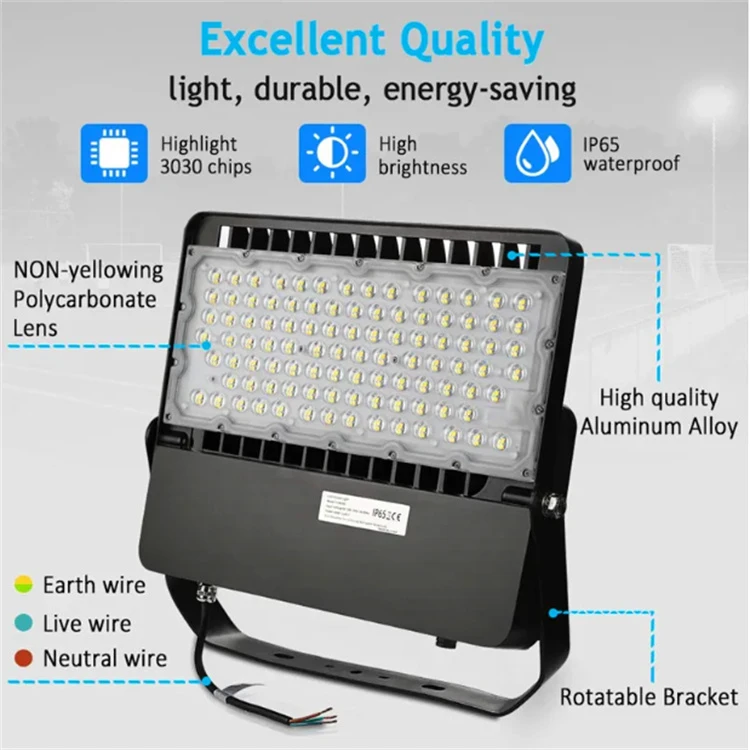
Our professional 240W stadium LED floodlight takes light attenuation control as the core design standard, adopting high-performance SMD 3030 industrial-grade high-brightness LED chips. These chips have excellent thermal stability, high luminous efficiency, and ultra-low natural light decay characteristics, with inherent luminous depreciation far lower than ordinary LED chips. Through precision wafer screening and high-standard packaging technology, the chip effectively resists high-temperature aging and UV erosion, ensuring that the light source itself maintains stable luminous performance for a long time.
Matched with anti-yellowing optical-grade polycarbonate lens, the product avoids lens yellowing and light transmittance attenuation caused by long-term outdoor exposure. The lens maintains stable light transmittance and accurate light distribution throughout the whole life cycle, eliminating optical light loss caused by material aging, and laying a solid foundation for long-term low light attenuation of the whole lamp.
Advanced Multi-Board Convection Heat Dissipation System Restrains Thermal Decay
Aiming at the core problem of thermal-induced light attenuation, this 240W stadium floodlight is equipped with an upgraded multi-board convection heat dissipation structure, which is the key to its ultra-low light decay performance. Different from the single heat dissipation mode of ordinary floodlights, the multi-fin die-cast aluminum alloy heat sink greatly expands the heat dissipation area, forms a three-dimensional air convection channel inside and outside the lamp body, and realizes rapid circulation and discharge of hot air.
This structural design can quickly export the heat generated by the LED chip during high-power operation, effectively control the LED junction temperature within a safe low-temperature range, avoid chip aging and luminous efficiency decline caused by long-term high-temperature accumulation, and fundamentally suppress thermal light attenuation. After professional testing, the luminous attenuation rate of the whole lamp is less than 15% after 50,000 hours of continuous operation, which is far better than the industry's 30% L70 standard, realizing long-term stable and low-loss lighting output.
IP65 Full Sealing Structure Reduces Environmental Light Loss
This product is equipped with a standard IP65 dustproof and waterproof protection grade, adopting full-fit reinforced rubber sealing gaskets at all lamp body splicing gaps and cable inlets to realize fully enclosed protection. The highest dust-tight level completely blocks outdoor fine dust and particulate impurities from entering the lamp cavity, avoiding light loss caused by dust accumulation on the chip and lens surface.
The high-pressure water jet resistance design resists heavy rain erosion and humid air penetration, keeps the internal working environment of the lamp dry and clean for a long time, prevents circuit oxidation and component aging caused by moisture, and avoids additional light attenuation caused by environmental erosion. The high-strength anti-corrosion aluminum alloy lamp body resists outdoor UV radiation and atmospheric corrosion, maintains the stability of the overall heat dissipation structure and optical system, and ensures that the light attenuation speed will not be accelerated by harsh outdoor environments.
Stable Constant-Current Drive System Optimizes Long-Term Light Stability
Unstable power supply is also an important factor causing aggravated light attenuation. Ordinary floodlights adopt inferior driving power supplies, which are prone to current fluctuation and stroboscopic phenomena during long-term operation, resulting in inconsistent chip luminous state and accelerated aging. This 240W low-decay stadium floodlight is equipped with a professional constant-current and constant-voltage drive power supply, with ultra-high current output stability, effectively resisting grid voltage fluctuation and instantaneous surge impact.
The stable electrical performance ensures that the LED chip works in a constant and safe operating state for a long time, avoids luminous efficiency loss caused by current instability, further optimizes the long-term anti-attenuation performance of the lamp, and realizes consistent high-brightness and high-uniformity lighting output throughout the whole life cycle.
Economic and Engineering Value of Low Light Attenuation Stadium Floodlights
Extend Venue Lighting System Service Life
The ultra-low light attenuation performance enables this 240W professional floodlight to reach a service life of up to 50,000 working hours. Calculated by 8 hours of daily use, the lamp can operate stably for more than 17 years, which is 3–5 times the service life of ordinary high-decay floodlights. The long-term stable luminous performance ensures that the stadium lighting system maintains professional event standards for more than 15 years, greatly extending the service life of the whole lighting project and maximizing the utilization rate of one-time engineering investment.
Reduce Comprehensive Operation and Maintenance Costs
Low light attenuation means no large-scale lamp replacement in the short and medium term, which saves a lot of material and labor costs for stadium operators. At the same time, the high luminous efficiency is always maintained, avoiding the energy waste caused by brightness attenuation and supplementary lighting. Compared with ordinary floodlights, this low-decay product can save more than 60% of long-term maintenance costs and 20% of annual power consumption, with extremely prominent long-term economic benefits. It completely solves the industry pain point of "low initial investment, high later-stage cost" of inferior stadium floodlights.
Improve Venue Commercial Operation Value
Stadiums with stable low-attenuation lighting systems can always meet FIFA and UEFA international professional event standards, continuously undertake high-level commercial competitions and cultural activities, and improve venue popularity and commercial revenue. Stable broadcast-level lighting effects ensure high-quality live broadcast and picture presentation, help the venue build a professional brand image, and bring sustainable commercial value returns for operators.
Conclusion: Low Light Attenuation Is The Core Standard of High-Quality Stadium Lighting
Light attenuation is the decisive indicator that distinguishes ordinary civil floodlights from professional stadium floodlights. Initial brightness and power only represent instantaneous performance, while light attenuation performance determines the long-term professionalism, stability and economy of the entire stadium lighting project. Excessive light attenuation will lead to unqualified venue lighting standards, frequent equipment replacement, increased operating costs, and reduced commercial value of the venue, bringing multiple losses to stadium investors and operators.
The 240W professional low light attenuation stadium LED floodlight solves various pain points of traditional high-decay lighting equipment through high-quality LED chip materials, advanced multi-board convection heat dissipation technology, IP65 fully enclosed protection structure and stable driving system. It realizes ultra-low luminous depreciation, ultra-long service life, all-weather stable operation, and long-term compliance with professional sports lighting standards.
For any professional stadium new construction and renovation project, choosing low light attenuation floodlights is not only a technical standard requirement, but also the most cost-effective investment strategy. It can effectively avoid hidden project risks, reduce long-term operating costs, maintain the professional competitiveness of the venue, and create sustainable and stable economic and commercial value for stadium operation.
How To Cooperate With Us?
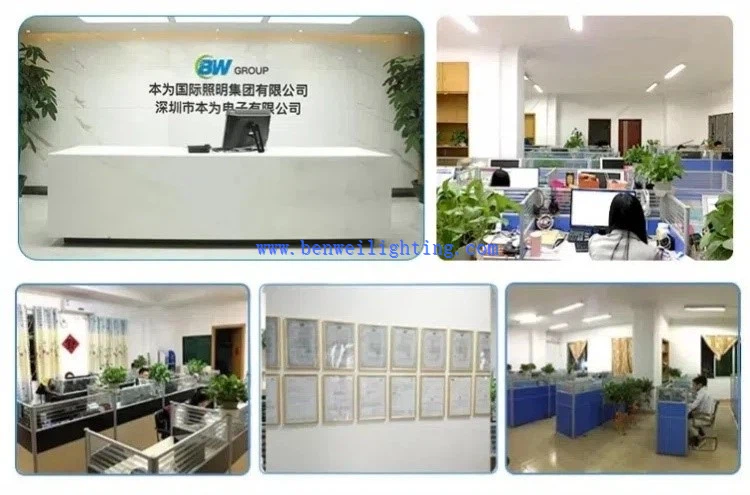
We are happy to have total control over the manufacturing process and the calibre of our products since we have our own facilities. Since we are producers rather than just brokers, we are dedicated to providing our customers with the best pricing. Since we are certain that the price and quality of our products are clear, we invite customers to see our samples first. Our commitment to quality and customer satisfaction drives us to continuously provide top-notch goods.
Our address
3rd Floor, 5th Building, Hebei Industrial Park, Hualian Community, Longhua District, Shenzhen, China





