

Introduction
The Engineering Superiority of Tempered Glass in Outdoor Lighting
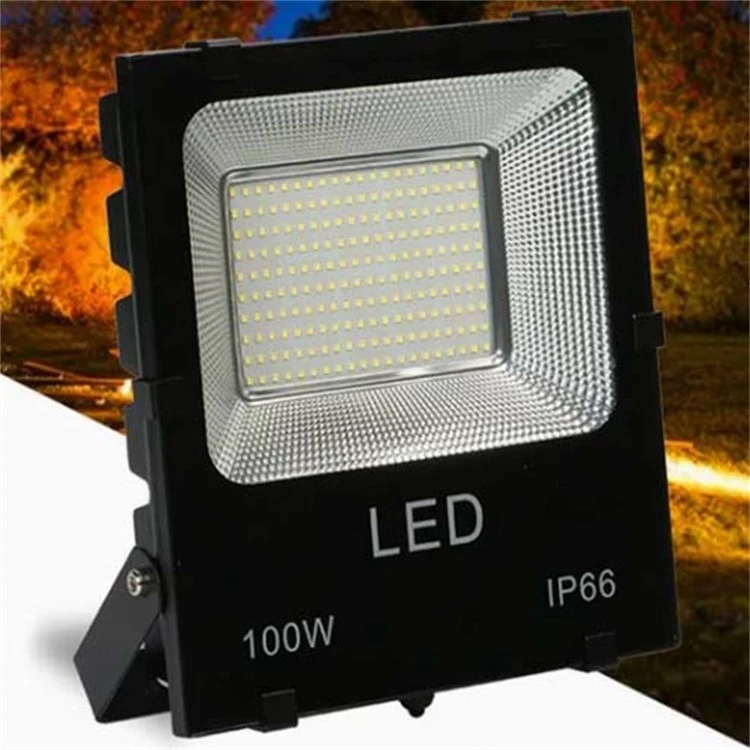
This is why tempered glass has become the gold standard for professional property management. The tempered glass mask utilized in high-quality LED flood lights is subjected to extreme heating and rapid cooling during manufacturing, a process that induces internal compressive stress. This makes the glass significantly stronger than standard glass, capable of withstanding immense impact resistance, high wind loads, and severe weather events.
Furthermore, from an optical perspective, high-transmittance tempered glass ensures that the high-brightness light source, such as the Epistar LEDs delivering 130lm/w, projects maximum luminosity without diffusion or distortion. Unlike plastic, tempered glass is highly resistant to UV degradation. This means that over a 50,000-hour operational lifespan, the glass will not yellow, cloud, or become brittle. For a property manager overseeing a stadium or a tennis court, maintaining crisp, clear, and blindingly bright illumination is non-negotiable for player safety and spectator experience. The explosion-proof nature of this tempered glass also provides an essential safety barrier, ensuring that if an internal electrical fault occurs or if a stray object impacts the fixture, the glass fractures into small, blunt pebbles rather than dangerous, jagged shards. This drastically reduces liability risks for property owners.
Stainless Steel and the Defense Against Environmental Degradation
The utilization of stainless steel screws and heavy-duty mounting brackets is a hallmark of fixtures designed for true commercial application. Stainless steel offers superior resistance to oxidation and corrosion. By integrating stainless steel hardware, the structural integrity of the LED flood light is maintained for years, ensuring it remains securely mounted to walls, poles, or stadium rafters.
Moreover, the stainless steel construction extends to the internal fastening mechanisms that seal the fixture. The IP65 and IP66 waterproof ratings boasted by premium fixtures are not achieved simply by design, but by execution. IP66 denotes a rating of being "dust tight" and protected against powerful water jets. This level of protection is impossible to maintain if the screws holding the casing together corrode and loosen over time, creating microscopic gaps where moisture can infiltrate. The inclusion of stainless steel screws ensures that the compression seals remain tight, preventing water from reaching the internal drivers and LED chips. For property managers, this translates to zero water-induced short circuits, zero premature failures, and absolute reliability during severe storms.
Thermal Management and the Synergy of Advanced Materials
This thermal design is complemented by the aerospace-grade aluminum housing and tempered glass. Aluminum conducts heat far more efficiently than plastic or standard steel, acting as a massive heat sink. The tempered glass front allows heat to radiate outward while protecting the interior. The synergy of these materials-aerospace aluminum, tempered glass, and stainless steel-creates a thermal management system that drastically reduces the operating temperature of the LEDs. By running cooler, the imported LED chips experience a dramatically reduced lumen depreciation rate. This means a property manager can install these lights and expect them to maintain their blazing 130lm/w brightness for over 50,000 hours without noticeable fading. This is particularly crucial for sports arenas, where consistent lighting levels are mandated for professional play and broadcasting.
Economic Impact: Total Cost of Ownership and ROI
Property managers are judged by the performance of their assets and the efficiency of their operating budgets. Every time a light fixture fails, it incurs the cost of the replacement unit, but more significantly, it incurs the cost of labor. Sending maintenance crews to replace lights in a sprawling stadium or a high-ceilinged parking garage is incredibly expensive. By utilizing fixtures with a 50,000+ hour lifespan, protected by tempered glass and stainless steel, property managers drastically reduce maintenance cycles.
Furthermore, the energy efficiency of these fixtures cannot be overstated. With a luminous efficacy of 130lm/w, these 100W and 150W fixtures provide stadium-level brightness while consuming a fraction of the electricity required by legacy metal halide or halogen systems. The plug-and-play convenience, featuring an inline switch and standard plug, further reduces installation costs. Ultimately, the combination of reduced energy consumption, minimal maintenance requirements, and exceptional durability means that these LED flood lights pay for themselves in a remarkably short period, delivering an impressive ROI that strengthens the property's overall financial performance.
Safety, Compliance, and Aesthetics
Furthermore, the professional aesthetic of an aerospace aluminum and tempered glass fixture adds a touch of modern industrial design to any property. A sleek, black, heavy-duty flood light communicates to tenants and patrons that the property is well-maintained and professionally managed. This intangible benefit can lead to higher tenant retention and increased property valuation.
Conclusion
How To Cooperate With Us?
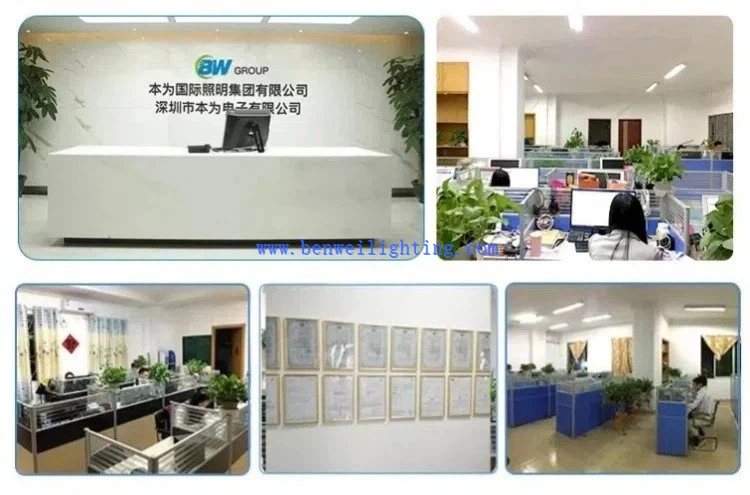
We are happy to have total control over the manufacturing process and the calibre of our products since we have our own facilities. Since we are producers rather than just brokers, we are dedicated to providing our customers with the best pricing. Since we are certain that the price and quality of our products are clear, we invite customers to see our samples first. Our commitment to quality and customer satisfaction drives us to continuously provide top-notch goods.
Our address
3rd Floor, 5th Building, Hebei Industrial Park, Hualian Community, Longhua District, Shenzhen, China





