

What are solar lights made of?
Solar street lights are a breakthrough combination of renewable energy technology, electrical engineering, and long-lasting materials. They are meant to provide dependable, off-grid lighting for outdoor projects in both rural and urban settings. In contrast to conventional grid-powered street lights, which are dependent on fossil fuels or centralised electrical infrastructure, solar street lights are self-contained systems that are constructed from high-quality, weather-resistant components that work together to convert sunlight into usable electrical energy. This eliminates the need for expensive wiring, utility bills, and dependence on the grid. The construction of a high-performance solar street light is a meticulous process. Each material is chosen for its durability, efficiency, and capacity to withstand the harsh conditions of outdoor environments, which include dust, salt fog, and prolonged exposure to ultraviolet light. Extreme temperatures and heavy rainfall are just two examples of the harsh conditions that can potentially be encountered. At its heart, a solar street light is made up of four basic kinds of materials: materials that gather renewable energy, materials that store energy, materials that are used in electrical components, and materials that are structural and durable. In rural and urban projects, where lighting downtime may affect safety, productivity, and community well-being, each category plays a key role in maintaining the system's performance, durability, and dependability. These are aspects that cannot be negotiated and are thus non-negotiable. It is necessary for project owners, contractors, and facility managers to have a thorough understanding of the materials that are used in the construction of these solar street lights in order to make educated purchase choices. This is because the quality of the materials has a direct influence on the longevity, efficiency, and overall value of the system. The following is an in-depth analysis of the primary components that are used in the building of contemporary solar street lights. It focuses on the characteristics of these materials as well as the reasons why they are necessary for the transformation of outdoor lighting projects in both rural and urban settings.
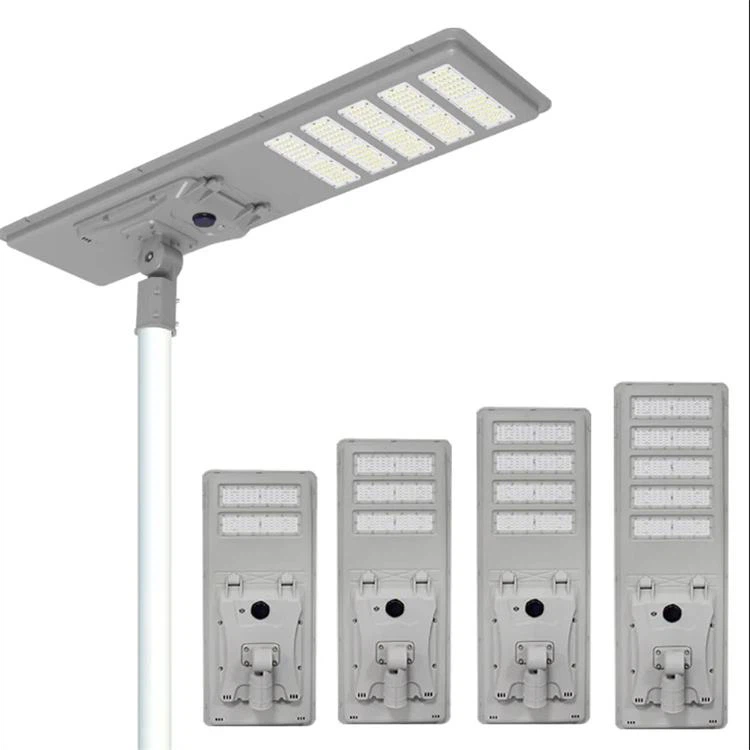
Renewable Energy-Harvesting Materials
The foundation of any solar street light is its ability to harvest sunlight and convert it into electrical energy, a process made possible by high-quality photovoltaic (PV) materials. The solar panel-the component responsible for energy harvesting-is typically constructed from monocrystalline or polycrystalline silicon, the most efficient and widely used PV materials in the industry. Monocrystalline silicon, derived from a single crystal structure, offers a higher conversion efficiency (20–25%) compared to polycrystalline silicon (15–20%), making it the preferred choice for high-performance solar street lights. The silicon wafers are coated with an anti-reflective layer (usually titanium dioxide or silicon nitride) to minimize light reflection and maximize light absorption, ensuring the panel captures as much sunlight as possible even in low-light conditions. The solar panel's frame is made from anodized aluminum, a material chosen for its lightweight, corrosion-resistant, and structural strength properties-critical for withstanding wind, rain, and other outdoor elements. The panel's surface is protected by a tempered glass cover, which is shatterproof, UV-resistant, and highly transparent (transmittance rate ≥95%), ensuring the silicon wafers are shielded from physical damage while allowing maximum sunlight penetration.
Energy Storage Materials
Solar street lights need energy storage components that are able to store extra energy produced throughout the day in order to offer lighting during low-light circumstances or during the nights. Lithium-ion (Li-ion) battery technology, more especially lithium iron phosphate (LiFePO4) batteries, is the major energy storage material that is used in contemporary solar street lighting. Because of its greater energy density, longer lifetime (3,000–5,000 charge-discharge cycles), quicker charging speed, and increased safety (non-flammable and non-explosive), LiFePO4 batteries are favoured over standard lead-acid batteries on account of their properties. For the purpose of shielding the interior cells from moisture, dust, and other forms of physical harm, the battery shell is constructed from materials that are both long-lasting and waterproof, often aluminium or ABS plastic. In addition, the battery is outfitted with a thermal management layer, which is often an insulator made of ceramic or polymer, to control temperature. This layer prevents the battery from overheating in hot areas and freezing in cold locations, so guaranteeing that it offers constant performance regardless of the weather conditions. Additionally, some high-end solar street lights use supercapacitors, which are constructed from materials based on carbon, in order to provide immediate power during times of peak demand and to improve the lifetime of the battery by lowering the amount of charge-discharge stress involved.
Electrical Component Materials
A solar street light is created using materials that prioritise efficiency, dependability, and safety. These materials are used to produce the electrical components of the solar street light, which include the LED light source, charge controller, and wiring. High-quality semiconductor materials (gallium nitride, indium gallium nitride) are used in the production of the LED light source, which is responsible for providing the actual lighting. These materials provide light that is both brilliant and energy-efficient, while also producing a low amount of heat. It is composed of aluminium to improve heat dissipation, which ensures that the LEDs function at ideal temperatures and retain their brightness over time. The LED chips are installed on a metal core printed circuit board (MCPCB), which is made of aluminium. The enclosure that houses the charge controller is made of aluminium or ABS plastic that is resistant to corrosion and is waterproof. The charge controller is responsible for managing the flow of energy between the solar panel and the battery. Copper cabling with a high conductivity and long-lasting electronic components (capacitors, resistors, and diodes) are used in the charge controller's internal circuitry. These components are able to survive changes in voltage as well as temperatures that are found outside. Tinted copper, which is resistant to corrosion and has great electrical conductivity, is used to construct the wire that connects the solar panel, battery, charge controller, and LED light. This ensures that there is no energy loss during transfer.
Structural & Durability Materials
Given that solar street lights are subjected to a diverse variety of environmental conditions, it is essential that the structural components of these lights be constructed from materials that are durable, resistant to the elements, and long-lasting. In most cases, galvanised steel or aluminium is used in the construction of the light pole, which is an essential component of the structure. With a zinc coating that offers corrosion resistance, galvanised steel poles provide great strength and longevity. They are perfect for metropolitan areas with high pollution levels or coastal regions with salt-laden air because of their optimal combination of these two characteristics. Poles made of aluminium are a popular option for rural projects because of their lightweight nature, resistance to corrosion, and ease of installation. This makes them an ideal choice for situations where transportation and installation resources may be restricted. Both die-cast aluminium and ABS plastic are used to construct the housing of the light fixture. This housing is designed to contain the LED light source and the electrical components. Both of these materials are weatherproof, dustproof, and resistant to impact. In order to obtain a waterproof certification of IP65 or higher, the housing is sealed using high-elasticity silicone gaskets. This ensures that the internal components are protected from precipitation, snow, and dust. In addition, all of the structural components are coated with anti-oxidation and anti-corrosion agents in order to increase their lifetime and preserve their look in severe situations that are found outside.
The Components and Their Roles
There is more to a high-performance solar street light than simply a collection of materials; it is a coherent system in which each component plays a key function in ensuring that the lighting is dependable, efficient, and long-lasting. By turning sunlight into useful energy, storing it for later use, and providing constant brightness when it is required, every component, from the solar panel to the LED light, is designed to function in perfect unison with one another. The dependability of these components is of the utmost importance for both urban and rural projects. A single malfunctioning component might result in lighting downtime, which can jeopardise safety in urban streets, limit productivity in rural building sites, or disturb community activities in both urban and rural settings. In order for project owners to fully grasp the value of a high-quality solar street light and the reasons why it outperforms conventional grid-powered options, it is vital for them to have a thorough understanding of the roles that each component plays. This article provides a comprehensive explanation of the primary components of a solar street light, including their individual functions and the ways in which they contribute to the overall performance of the system. It also highlights the reasons why these components are vital for the transformation of outdoor lighting projects in both rural and urban areas.
Solar Panel: The Energy Harvester
Direct current (DC) electrical energy is generated by the solar panel, which is the core component of the solar street light system. The solar panel is responsible for collecting sunlight and converting it into DC electricity. Its major function is to collect as much sunlight as possible throughout the day, even in low-light settings (for example, overcast days, early mornings, and late afternoons), in order to guarantee that the battery is completely charged and that the light may continue to function throughout the night. In comparison to solar panels of lesser quality, high-quality solar panels, which are often monocrystalline, have a conversion efficiency that is between 20 and 25 percent, which indicates that they are able to create more energy from the same quantity of sunshine. It is possible to tilt the solar panel so that it faces the sun directly (typically at an angle equal to the local latitude) in order to maximise the amount of energy that is harvested. The solar panel is installed on a bracket that can be adjusted. Additionally, the solar panel is fitted with a bypass diode, which avoids the loss of energy and damage to the panel in the event that it is partially shaded (for example, by trees, buildings, or other obstructions). The efficiency and flexibility of the solar panel are very important for projects that are located in metropolitan areas with tall buildings or in rural areas with limited sunshine exposure. This ensures that the system is able to produce sufficient energy to power the light even under difficult situations.
Charge Controller: The System Regulator
Regulating the flow of electricity between the solar panel and the battery is the responsibility of the charge controller, which may be thought of as the "brain" of the solar street light system. To protect the battery from being overcharged or discharged, which are two typical problems that may dramatically shorten the battery's lifetime, its main function is to prevent these issues from occurring. In the case that the solar panel creates more energy than the battery is able to hold, the charge controller will turn off the extra energy. This will protect the battery from overheating or being destroyed. In the other direction, the charge controller will turn off the power to the LED light if the battery's charge level falls below a certain safe threshold. This prevents the battery from experiencing a deep drain, which may cause irreparable damage to the battery. Charge controllers of superior quality also include extra features, such as maximum power point tracking (MPPT), which optimises the amount of energy captured from the solar panel by altering the voltage and current to correspond with the requirements of the battery. Considering that this MPPT technology has the potential to boost energy harvesting efficiency by 10–15%, it is an essential component for projects that are located in rural areas where sunlight may be restricted. In addition, the charge controller incorporates protective measures (overvoltage, overcurrent, and short-circuit) to guarantee that the system functions in a secure manner, even when the weather is unstable.
Battery: The Energy Storage Unit
The battery is the energy storage backbone of the solar street light system. It is responsible for storing the direct current (DC) energy that is produced by the solar panel during the day and providing it to the LED light during the night. The major function of this device is to provide constant lighting, even on days with cloud cover or at times when there is little sunshine. LiFePO4 lithium-ion batteries are used in high-quality solar street lights. These batteries have several advantages over traditional lead-acid batteries, including a longer lifespan (3,000–5,000 charge-discharge cycles), higher energy density (which enables designs to be smaller and more compact), faster charging speed, and enhanced safety. The amount of time that the light can function without sunlight is determined by the capacity of the battery, which is measured in ampere-hours, or Ah. Batteries with a large capacity, such as those with 100 Ah or more, may power the light for five to seven nights in a row, even when there is no sunshine during the actual day. This is of the utmost importance for projects in rural regions that are located in distant places and often experience overcast weather, as well as urban projects that need lighting around the clock (for example, parking lots and busy streets). Additionally, the battery is outfitted with a thermal management system that regulates temperature. This ensures that the battery can function dependably even when exposed to severe temperatures, such as -40 degrees Celsius and +60 degrees Celsius.
LED Light Source: The Illumination Provider
It is the LED light source that is accountable for providing the real lighting, and the performance of the LED light source has a direct influence on the efficiency of the solar street light for both urban and rural applications. LED lights, in contrast to typical halogen or high-intensity discharge (HID) bulbs, are more energy-efficient, have a longer lifespan, and provide light that is bright and uniform. High-quality LED chips, such as SMD 2835 or COB, have a luminous efficiency of 100–120 lumens per watt (lm/W), which means that they generate more light while using less energy. This reduces the strain that is placed on the battery and allows the light to operate for a longer period of time. The LED light is offered in a variety of wattage choices, including 30W, 50W, and 100W, which enables it to be adapted to the particular requirements of the project. For example, a lower wattage may be designed for rural roads, while a greater wattage can be used for metropolitan streets or parking lots. It is essential for safety in urban areas (such as detecting people, automobiles, or dangers) and rural regions (such as illuminating farm roads or isolated trails) that the LED light has a high Colour Rendering Index (CRI ≥ 80). Because of this, the LED light ensures that colours seem true to life and details are readily visible. Furthermore, the LED light is fitted with a heat sink that assists in the dissipation of heat. This ensures that the light runs at temperatures that are appropriate and that it keeps its brilliance over time.
Light Pole: The Structural Support
It is the responsibility of the light pole, which is the structural component that supports the LED light, the solar panel, and other components of the system, to guarantee that the system is sturdy, secure, and positioned in such a way that it achieves the highest possible level of performance. Typically, galvanised steel or aluminium is used in the construction of light poles. These materials are selected because to their strength, longevity, and resistance to corrosion. It is possible to adjust the height of the pole to meet the requirements of the project. For example, lower poles (ranging from 4 to 6 meters) are used for rural walks or small urban parks, while higher poles (ranging from 8 to 12 meters) are used for busy streets, parking lots, or big rural regions. A mounting bracket for the solar panel is attached to the pole, which enables it to be tilted in order to maximise the amount of sunlight that it receives. Additionally, the pole is equipped with a fixture arm for the LED light, which enables it to be positioned in order to provide consistent lighting throughout the target area. For the purpose of ensuring that the pole is able to endure high winds, heavy rain, and other factors that are present outside, the base of the pole is built to be attached firmly to the ground (using concrete foundations). When it comes to urban projects, the pole could also have other features, such as mounting places for security cameras or ornamental elements. On the other hand, rural poles are often intended to be simple to install in isolated regions with limited equipment.
Accessories: Enhancing Performance & Versatility
In addition to the core components, high-quality solar street lights include a range of accessories that enhance their performance, versatility, and usability for rural and urban projects. These accessories include:
(1) Motion Sensors: Detect movement and adjust the light's brightness (e.g., dim when no movement is detected, brighten when movement is detected), reducing energy consumption and extending battery life-ideal for rural pathways or urban parking lots.
(2) Remote Monitoring Systems: Allow project owners to monitor the system's performance (battery charge level, energy generation, light status) remotely via a mobile app or web portal-critical for large-scale urban projects or remote rural projects where on-site inspections are difficult.
(3) Waterproof Cable Glands: Ensure the wiring connections are watertight, maintaining the system's IP65+ waterproof rating.
(4) Surge Protection Devices: Protect the system from lightning strikes and voltage surges-essential for outdoor projects in areas prone to severe weather. These accessories add value to the solar street light system, making it more adaptable to the unique needs of rural and urban projects.
What are the current problems with solar street lights?
Despite the fact that solar street lights have emerged as a game-changing alternative for outdoor illumination in both rural and urban areas, the business is not without its hurdles. Many of the solar street lights that are now available on the market are of poor quality and suffer from a variety of problems that undermine their performance, dependability, and longevity. This results in aggravation for the owners of the project, higher expenditures for maintenance, and a lack of faith in solar technology. These difficulties are especially significant for projects that are located in rural and metropolitan regions, where the absence of illumination may have severe repercussions: in urban areas, it can threaten public safety and interrupt everyday activities; in rural areas, it can hamper access to important services and limit economic potential. In order for project owners to avoid making errors that are expensive and to choose a solution that is of good quality and delivers on its promises, it is essential for them to have a solid understanding of the current issues that include solar street lighting. In the following, you will find a comprehensive description of the most frequent challenges that are associated with the present solar street lights, as well as the reasons of these issues and the solutions that high-quality solar street lights provide. This will emphasise the need of investing in a premium system for the purpose of improving rural and urban projects.
Poor Energy Harvesting & Storage Capacity
Poor energy harvesting and storage capacity is one of the most prevalent issues that arises with low-quality solar street lights. This may result in inadequate lighting throughout the night or full system failure when the weather is gloomy. In most cases, this problem is brought on by the use of solar panels with poor efficiency, such as polycrystalline or even amorphous silicon, which have conversion efficiencies that are lower than 15% and so are unable to produce sufficient energy throughout the day. In addition, many systems make use of lead-acid batteries that are of poor quality and low capacity. many batteries have a limited lifetime (500–1,000 charge-discharge cycles) and are unable to store sufficient energy to run the light for more than one or two nights without sunshine. The severity of this issue is compounded for projects that are located in metropolitan areas with towering buildings that throw shadows or in rural locations with little sunshine. As a consequence, the illumination may be inadequate or nonexistent during crucial hours. High-quality solar street lights solve this problem by employing high-efficiency monocrystalline solar panels with a conversion efficiency of twenty to twenty-five percent and high-capacity LiFePO4 batteries with a capacity of one hundred and fifty ampere-hours or more. This ensures that the system is able to generate and store sufficient energy to function dependably for five to seven nights in a row, even when there is a lack of light.
Short Lifespan & High Maintenance Requirements
Current solar street lights have a limited lifetime and high maintenance needs, both of which contribute to an increase in operating expenses and disturb the continuity of the project. This is another significant issue with these lights. Solar panels with thin glass covers that break easily, lead-acid batteries that deteriorate fast, and LED lights that burn out after just 10,000 hours of usage are examples of components that are used in poor-quality systems. These components are also inexpensive and have a low durability. In addition, these systems may not have enough waterproofing and corrosion protection, which can result in the failure of components due to substances such as salt fog, dust, or moisture. Maintenance is very difficult and expensive for rural projects located in distant places. These projects need regular visits to address issues such as replacing batteries, repairing cabling, or replacing solar panels that have been damaged. The solution to this issue is the use of long-lasting and long-lasting components, such as monocrystalline solar panels with tempered glass covers (which have a lifetime of more than 25 years), LiFePO4 batteries (which have a lifespan of more than 10 years), and LED lights (which have a lifespan of more than 50,000 hours). The maintenance needs for these systems are reduced to simply yearly inspections, which saves project owners both time and money in the long term. Additionally, these systems have waterproofing with an IP65+ rating and materials that are resistant to corrosion.
Inconsistent Illumination & Light Decay
A considerable number of solar street lights of poor quality are plagued by uneven illumination and light decay, which is characterised by a significant decline in the brightness of the light over time or by variations in brightness throughout the night. This problem is brought on by a number of causes, including low-quality LED chips that deteriorate rapidly, insufficient heat dissipation systems that cause the LEDs to overheat and lose their brightness, and inadequate charge controllers that fail to regulate the power output of the battery in a consistent manner. During urban construction projects, inconsistencies in lighting might result in the creation of safety risks (for example, dark places on busy streets), but during rural construction projects, it can make it difficult to traverse routes or work areas. This issue is addressed by high-quality solar street lights by utilising high-performance LED chips that have minimal light decay (maintaining 80% of initial brightness after 50,000 hours), precision heat dissipation systems (aluminium heat sinks) that keep the LEDs cool, and advanced charge controllers with MPPT technology that ensure consistent power output to the LED light. This ensures that the LED light provides uniform, bright illumination throughout the night, year after year.
Poor Weather Resistance & Durability
Solar street lights are subjected to a broad variety of weather conditions that may be found outside; nevertheless, solar street lights of poor quality often lack the appropriate weather resistance, which can result in component failure in the event of precipitation, wind, snow, or high temperatures. Issues that are often encountered include watertight gaskets that deteriorate and leak, solar panels that break when exposed to severe cold, batteries that overheat when exposed to hot temperatures, and light poles that rust or corrode when located in coastal locations. It is possible that this may result in frequent system failures for urban projects located in regions that experience heavy rains or coastal salt fog. On the other hand, it may make the system ineffective for rural projects located in regions that experience severe temperatures. In order to withstand these conditions, high-quality solar street lights are constructed with IP65+ waterproof enclosures that have high-elasticity silicone gaskets, tempered glass solar panels that are resistant to cracking, LiFePO4 batteries that have thermal management systems, and corrosion-resistant light poles (galvanised steel or aluminium) that have anti-oxidation coatings. These features ensure that the lights will perform reliably regardless of the weather conditions.
Lack of Versatility & Adaptability
A significant number of the solar street lights that are now available are meant to be "one-size-fits-all" solutions. These lights lack the diversity and adaptability that are necessary to satisfy the specific requirements of various urban and rural projects. For instance, a solar street light that was developed for a tiny rural walk would not have sufficient brightness for a busy urban street. On the other hand, a system that was designed for an urban parking lot could be too huge and expensive for a rural hamlet. Furthermore, low-quality systems often lack changeable components (such as dimmable LED lights and adjustable solar panel mounts) and accessories (such as motion sensors and remote monitoring), which makes it impossible to modify the system to the particular requirements of the project. This issue is addressed by high-quality solar street lights, which provide a variety of wattage options ranging from 30 to 100 watts, adjustable solar panel brackets, dimmable LED lights, and a variety of accessories. These features enable project owners to tailor the system to their particular needs, regardless of whether it is a small rural pathway, a busy urban street, or a large commercial parking lot.
Why Solar Street Lights Are the Future of Outdoor Lighting?
In spite of the difficulties that are associated with low-quality solar street lights, the technology has seen significant advancements in recent years. As a result, high-quality solar street lights are now the obvious choice for outdoor lighting projects intended for both urban and rural areas. Solar street lights provide a one-of-a-kind combination of advantages that conventional grid-powered street lights just cannot compete with. This is especially applicable in light of the current global trend toward renewable energy, sustainability, and cost effectiveness. The need for expensive grid infrastructure is eliminated, carbon emissions are reduced, operating expenses are reduced, and dependable lighting is provided in locations where the grid is either absent or unreliable. In the context of rural projects, solar street lights are a game-changer because they deliver light to isolated places that have never had access to power, improve safety, and promote economic prospects. They provide a sustainable and cost-effective alternative to grid-powered illumination for urban projects, therefore significantly lowering the load placed on the electrical infrastructure and significantly improving public safety. An in-depth explanation of why solar street lights are the future of outdoor lighting is provided here. This explanation highlights the distinctive benefits that solar street lights provide and how they are leading to the transformation of urban and rural projects all over the globe.
Zero Grid Dependency & Off-Grid Capability
Solar street lights have a zero-grid reliance, which is one of the most major benefits of these lights. This makes them the perfect answer for rural locations where grid infrastructure is either nonexistent, costly to establish, or unreliable. In many rural communities around the world, extending the electrical grid to remote areas is cost-prohibitive-requiring miles of wiring, transformers, and other infrastructure that can cost millions of dollars. Due to the fact that solar street lights are self-sufficient systems that produce and store their own energy, this need is eliminated. Because of this, rural projects may now have consistent outdoor lighting without having to wait for grid extension. This not only improves the safety of pedestrians and automobiles, but it also makes it feasible for community activities (such as nighttime markets and school events) that would otherwise be impossible. Within the context of urban projects, zero grid reliance refers to the reduction of pressure placed on the electrical grid, particularly during times of high demand (for example, nighttime hours), as well as the protection against power outages. In addition, solar street lights may be used as a backup lighting option for metropolitan areas. This ensures that essential places, such as hospitals and emergency routes, continue to be illuminated in the event that the grid fails.
Cost Savings & Long-Term Value
When compared to conventional grid-powered street lights, solar street lights provide significant cost savings, which makes them an excellent investment for projects in both rural and urban areas. Although the initial upfront cost of a high-quality solar street light could be more than the cost of a grid-powered light, the savings that can be realised over the long run are substantial. For large-scale projects (such as urban streets and rural roads), grid-powered street lights need continuing energy bills, which may be expensive. This is particularly true for metropolitan streets. In contrast, solar street lights are able to create their own energy without incurring any costs, so completely removing the need for power bills. In addition, solar street lights have minimal maintenance needs (annual inspections) and a long lifetime (10–25 years), which contributes to a reduction in the cost of replacements and repairs. This cost reduction is crucial for rural initiatives that have limited budgets because it enables communities to shift resources to other necessary services. The financial savings that are realised from urban projects may be redirected into other infrastructure upgrades, such as the maintenance of roads or the provision of public facilities. When compared to lights that are powered by the grid, solar street lights give a better return on investment (ROI) over the course of their lifetime, making them the more practical and economical option.
Sustainability & Environmental Benefits
Solar street lights provide a sustainable and environmentally beneficial alternative to the conventional grid-powered illumination that is now being used all over the globe in an effort to battle climate change and reduce carbon emissions. In order to produce energy, grid-powered street lights are dependent on fossil fuels (coal and natural gas), which ultimately contributes to the release of greenhouse gases and the pollution of the air. Solar street lights, on the other hand, make use of renewable solar energy, which is not only eco-friendly but also plentiful and free of pollution. Compared to a grid-powered counterpart, a single solar street light with a capacity of 50 watts has the potential to cut carbon emissions by up to one thousand kilograms annually. With regard to urban developments, this assists cities in accomplishing their sustainability objectives and lowering their carbon impact. Additionally, it offers a clean energy option that does not contribute to climate change or contaminate the local environment, making it an ideal choice for projects in rural areas. In addition, solar street lights do not need wiring, which alleviates the negative effects that construction may have on the environment (such as the excavation of trenches and the disruption of natural ecosystems). This sustainability issue is becoming more essential for project owners, governments, and communities, which is why solar street lights are the ideal option for projects that are concerned about the environment.
Reliability & Low Maintenance
Solar street lights of superior quality are intended to be dependable and need little maintenance. As a result, they are an excellent choice for installation in both urban and rural areas, where resources for maintenance may be limited. Solar street lights are self-sufficient and autonomous, in contrast to grid-powered street lights, which are susceptible to failure due to power outages, wiring faults, or transformer failures. Because they are constructed with long-lasting, weather-resistant components, they are able to survive high temperatures, rain, snow, and dust, which guarantees that they will work consistently throughout the year. Furthermore, solar street lights do not have any moving parts (with the exception of brackets that may be adjusted), which diminishes the likelihood of a mechanical failure occurring. It is possible for owners of projects to save both time and money on maintenance since the requirements for maintenance are very modest (annual inspections and occasional cleaning of the solar panel). This eliminates the need for regular excursions to repair or replace components, which is especially beneficial for projects that are located in rural regions or farther away from urban centers. If urban projects need less maintenance, there will be fewer disturbances to public places, which will result in cheaper operating expenses.
Versatility & Adaptability to Project Needs
Solar street lights are highly versatile and adaptable, making them suitable for a wide range of rural and urban projects. They are available in multiple wattage options, pole heights, and configurations-allowing project owners to tailor the system to their specific needs. For example:
(1) Rural Pathways: Small, low-wattage solar street lights (30W) with short poles (4–6m) provide adequate illumination for pathways and small villages.
(2) Urban Streets: High-wattage solar street lights (100W) with tall poles (8–12m) deliver bright, uniform illumination for busy streets and intersections.
(3) Parking Lots: Solar street lights with motion sensors and dimmable LEDs reduce energy consumption while providing bright light when needed.
(4) Remote Construction Sites: Solar street lights with high-capacity batteries provide reliable lighting for off-grid construction projects. Additionally, solar street lights can be integrated with other technologies, such as security cameras, motion sensors, and remote monitoring systems-enhancing their functionality and value for urban and rural projects alike. This versatility makes solar street lights the future of outdoor lighting, as they can adapt to the unique needs of any project.
Technological Advancements & Innovation
The solar street light industry is constantly evolving, with new technological advancements making the systems more efficient, reliable, and user-friendly. For example, MPPT charge controllers have improved energy harvesting efficiency by 10–15%, LiFePO4 batteries have extended lifespans and higher energy density, and LED technology has become more efficient and affordable. Additionally, the integration of smart technology (e.g., remote monitoring, motion sensors, solar tracking) has made solar street lights more adaptable and easier to manage. For urban projects, smart solar street lights can be connected to a city's IoT network, allowing for real-time monitoring and control-reducing energy consumption and improving maintenance efficiency. For rural projects, remote monitoring allows project owners to check the system's performance from anywhere, eliminating the need for on-site inspections. These technological advancements are driving the adoption of solar street lights and solidifying their position as the future of outdoor lighting.
Application Scenarios & Correct Usage Methods
To maximize the performance, lifespan, and value of solar street lights, it is essential to understand their ideal application scenarios and follow the correct usage methods. High-quality solar street lights are versatile and suitable for a wide range of rural and urban projects, but proper installation, operation, and maintenance are critical to ensuring optimal performance and safety. Whether you are installing solar street lights in a rural village, an urban street, a parking lot, or a remote construction site, following the correct usage guidelines will ensure the system delivers reliable, efficient illumination for years to come. Below is a detailed breakdown of the key application scenarios and correct usage methods, designed for project owners, contractors, and facility managers to get the most out of their solar street light investment-further enhancing the value and purchase appeal of these transformative systems.
Application Scenarios
Solar street lights are designed to be versatile, making them suitable for virtually any outdoor project that requires reliable, off-grid illumination. Their zero grid dependency, durability, and cost efficiency make them ideal for the following application scenarios-spanning both rural and urban environments:
Rural areas and remote communities are the primary beneficiaries of solar street lights, as they often lack access to reliable grid infrastructure. Solar street lights are ideal for:
(1) Rural Villages: Lighting village streets, pathways, and community centers-improving safety for pedestrians and enabling evening community activities (e.g., markets, school events).
(2) Farm Roads & Rural Highways: Illuminating rural roads and highways to reduce accidents and improve accessibility for farmers and residents.
(3) Remote Schools & Healthcare Facilities: Providing reliable lighting for schools and clinics, extending operating hours and improving safety for students and patients.
(4) Off-Grid Farms & Ranches: Lighting farmyards, barns, and storage areas to enhance security and productivity. For rural projects, solar street lights are a cost-effective, sustainable solution that brings light to areas that have never had access to electricity-transforming communities and improving quality of life.
Urban areas benefit from solar street lights as a sustainable, cost-effective alternative to grid-powered lighting. They are ideal for:
(1) Urban Streets & Intersections: Illuminating busy streets, intersections, and crosswalks to enhance public safety and reduce accidents.
(2) Parks & Recreational Areas: Lighting parks, playgrounds, and public plazas to extend their use into the evening and improve safety for visitors.
(3) Parking Lots & Garages: Providing bright, uniform illumination for commercial and public parking lots-deterring crime and improving safety for drivers and pedestrians.
(4) Sidewalks & Bike Lanes: Illuminating sidewalks and bike lanes to enhance safety for pedestrians and cyclists. For urban projects, solar street lights reduce strain on the electrical grid, lower operational costs, and help cities meet their sustainability goals-transforming urban landscapes into safer, more eco-friendly spaces.
Commercial and industrial projects benefit from the reliability and cost efficiency of solar street lights. They are ideal for:
(1) Construction Sites: Providing off-grid lighting for remote construction sites, ensuring workers can operate safely during night shifts.
(2) Warehouses & Industrial Yards: Illuminating warehouse perimeters, loading docks, and industrial yards to enhance security and productivity.
(3) Shopping Malls & Retail Centers: Lighting parking lots, entrances, and outdoor shopping areas to improve safety and attract customers. (4) Golf Courses & Sports Complexes: Illuminating golf courses, tennis courts, and other sports facilities for evening activities. For commercial and industrial projects, solar street lights reduce energy costs and maintenance requirements, improving the bottom line and ensuring project continuity.
Transportation hubs and critical infrastructure rely on reliable lighting to ensure safety and efficiency. Solar street lights are ideal for:
(1) Bus Stops & Train Stations: Illuminating bus stops, train stations, and waiting areas to improve safety for passengers.
(2) Airports & Seaports: Lighting airport aprons, seaport docks, and access roads to enhance safety and operational efficiency.
(3) Highways & Toll Plazas: Illuminating highways, toll plazas, and rest areas to reduce accidents and improve accessibility.
(4) Bridges & Tunnels: Providing reliable lighting for bridges and tunnels, ensuring safe passage for vehicles and pedestrians. For transportation projects, solar street lights offer a reliable, off-grid solution that ensures critical infrastructure remains operational even during power outages.
Correct Usage Methods
Proper usage of solar street lights is critical to ensuring their performance, lifespan, and safety. Below are detailed guidelines for installation, operation, and maintenance-designed to help project owners get the most out of their investment:
Before installation, take the following steps to ensure safety and optimal performance:
(1) Conduct a Site Survey: Evaluate the site to determine the optimal location for the solar street light. The location should have unobstructed access to sunlight (no trees, buildings, or other obstacles blocking the solar panel) for at least 6–8 hours per day. For rural areas, choose a location that is central to the area being lit (e.g., village square, main road). For urban areas, ensure the light is positioned to cover the target area (e.g., street, parking lot) without causing light pollution.
(2) Verify System Compatibility: Ensure the solar street light's wattage, pole height, and battery capacity match the project's needs. For example, a busy urban street may require a 100W light with a 12m pole, while a rural pathway may only need a 30W light with a 4m pole. (3) Check Local Regulations: Ensure compliance with local building codes, zoning regulations, and safety standards-especially for urban projects.
(4) Gather Tools & Materials: Collect the necessary tools (drill, screwdriver, concrete mixer) and materials (concrete, mounting hardware) for installation.
(5) Inspect the System: Check the solar panel, battery, LED light, and other components for any damage (cracks, loose connections) before installation-do not install a damaged system.
Follow these steps for a secure, effective installation:
(1) Pole Installation: Dig a hole (60–80cm deep, 40–50cm wide) for the light pole. Pour concrete into the hole and insert the pole, ensuring it is level and secure. Allow the concrete to cure for 24–48 hours before proceeding.
(2) Solar Panel Mounting: Attach the solar panel to the adjustable bracket on top of the pole. Tilt the panel to face the sun directly (angle equal to the local latitude) to maximize energy harvesting. Secure the bracket with screws to prevent movement.
(3) Fixture Installation: Attach the LED light fixture to the fixture arm on the pole. Ensure the fixture is positioned to deliver uniform illumination across the target area.
(4) Wiring Connection: Connect the solar panel, battery, charge controller, and LED light using the provided wiring. Follow the manufacturer's instructions to ensure correct polarity (positive to positive, negative to negative) to avoid short circuits. Use waterproof cable glands to seal the wiring connections, maintaining the system's IP65+ waterproof rating.
(5) Battery Installation: Install the battery in the battery compartment (located in the pole or fixture housing). Ensure the battery is securely fastened and the wiring is properly connected.
(6) System Testing: Turn on the system and verify that the solar panel is generating energy, the battery is charging, and the LED light is illuminating correctly. Adjust the solar panel angle if necessary to maximize energy harvesting.
To ensure optimal performance during operation:
(1) Automatic Operation: Most solar street lights are equipped with a light sensor that automatically turns the light on at dusk and off at dawn. Ensure the light sensor is not blocked by dirt, debris, or other obstacles-this can cause the light to turn on or off incorrectly.
(2) Brightness Adjustment: If the system has dimmable LEDs or motion sensors, adjust the brightness settings to match the project's needs. For example, set the light to dim when no movement is detected (to save energy) and brighten when movement is detected (for safety).
(3) Battery Maintenance: Monitor the battery's charge level periodically (via remote monitoring or on-site inspection). If the battery's charge level drops below 20%, check the solar panel for dirt or shading-clean the panel if necessary.
(4) Weather Considerations: During extreme weather (e.g., heavy rain, snow, strong winds), inspect the system periodically to ensure it remains secure and undamaged. Remove snow or ice from the solar panel to maintain energy harvesting.
(5) Avoid Tampering: Do not tamper with the system's components (solar panel, battery, charge controller) as this can damage the system and void the warranty.
Regular maintenance is essential to ensure the system's lifespan and performance:
(1) Monthly Inspection: Clean the solar panel with a soft, dry cloth to remove dust, dirt, and debris-this maintains light transmittance and maximizes energy harvesting. Inspect the light fixture for dirt or damage, and clean the LED lens if necessary.
(2) Quarterly Inspection: Check the wiring connections and cable glands to ensure they are secure and watertight. Inspect the light pole for rust or corrosion, and touch up any damaged anti-oxidation coating. Test the system's performance to ensure the LED light is bright and the battery is charging correctly.
(3) Annual Inspection: Have a certified technician inspect the battery, charge controller, and LED light for wear or damage. Replace any damaged components immediately. Check the solar panel's output voltage to ensure it is generating energy efficiently.
(4) Long-Term Maintenance: Every 5 years, replace the battery (LiFePO4 batteries have a lifespan of 10+ years, but their capacity may decrease over time). Every 10–15 years, inspect the solar panel for signs of degradation (e.g., cracked glass, reduced efficiency) and replace if necessary.
(5) Maintenance Tips: Avoid using harsh chemicals or abrasive materials to clean the solar panel or fixture-this can damage the surface. Store any replacement components in a dry, cool place to prevent damage.
Conclusion
Solar street lights are not just a lighting solution-they are a transformative technology that is reshaping outdoor lighting for rural and urban projects around the world. By understanding their composition, component roles, current industry challenges, and future potential, project owners can appreciate why these systems are the future of outdoor lighting. High-quality solar street lights, built with premium materials and advanced technology, address the shortcomings of low-quality systems-delivering reliable, efficient, and long-lasting illumination that eliminates grid dependency, reduces costs, and promotes sustainability. From remote rural villages to busy urban streets, solar street lights are improving safety, enhancing productivity, and transforming communities. Their versatility, adaptability, and low maintenance requirements make them suitable for any outdoor project, while their cost savings and environmental benefits make them a smart investment for the long term. By following the correct usage methods and choosing a high-quality system, project owners can ensure their solar street lights deliver maximum value, transforming their rural or urban project into a safer, more sustainable, and more efficient space. As technology continues to advance, solar street lights will only become more efficient, reliable, and accessible-solidifying their position as the ultimate outdoor lighting solution for the future.
About Our Company

Our firm prides itself on owning its own factory, guaranteeing complete control over the production process and the quality of our goods. We are not only agents; we are manufacturers committed to offering our clients the most competitive rates available. We invite consumers to evaluate our samples first, as we are assured that the quality and pricing of our items are self-evident. Our dedication to excellence and client satisfaction compels us to consistently perform at our best and provide superior quality products.
Our address
3rd Floor, 5th Building, Hebei Industrial Park, Hualian Community, Longhua District, Shenzhen, China





