
Description
Core Features:
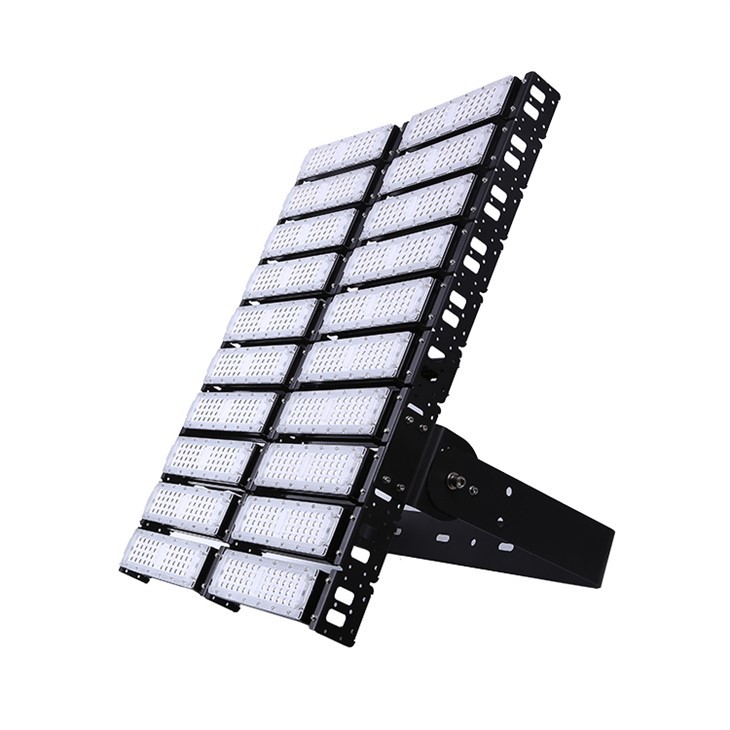
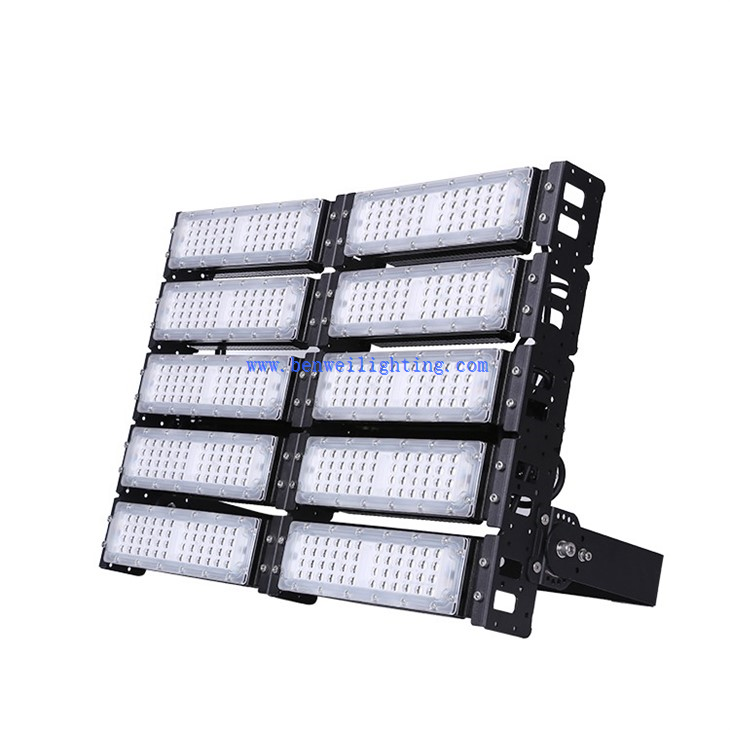
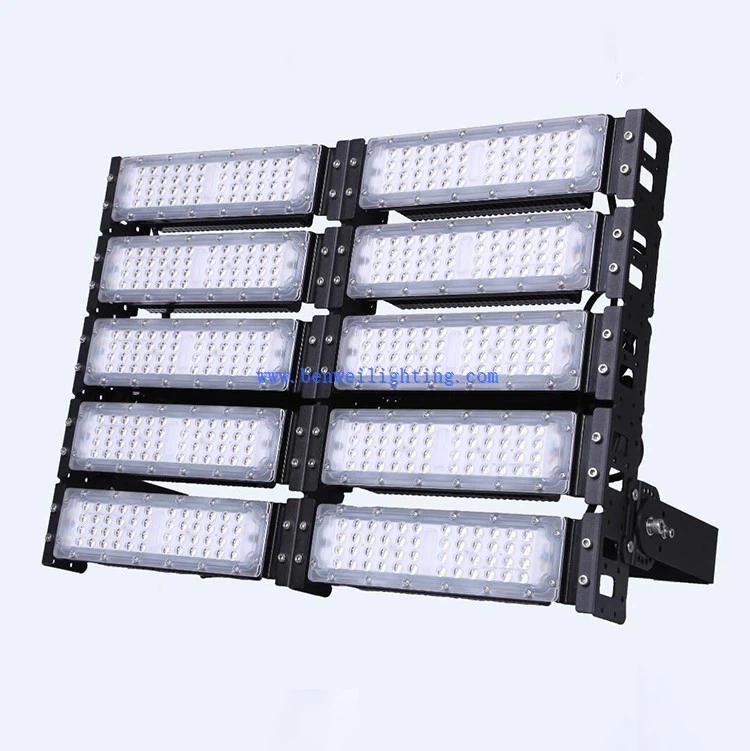
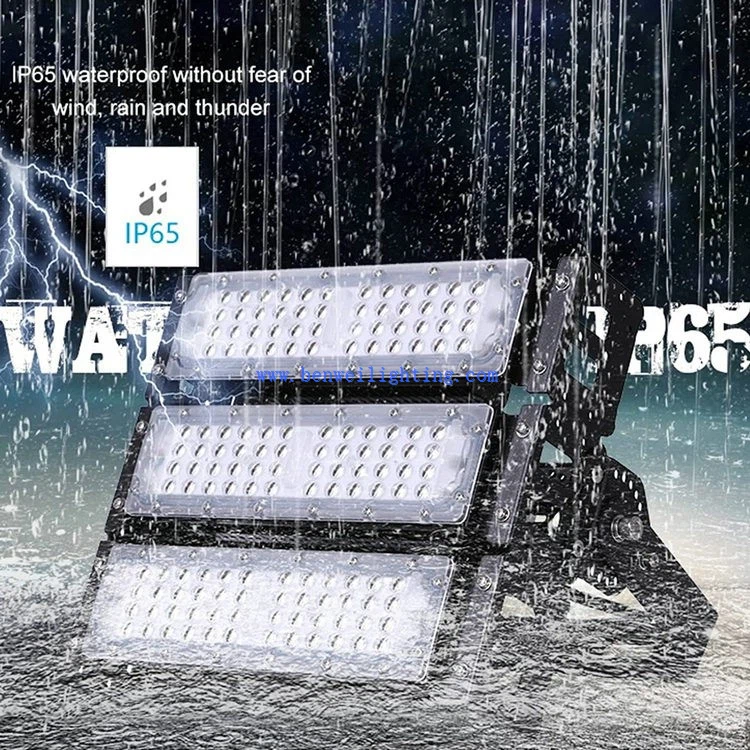
Modular Light Source: The LED lamps and lenses (optical system) are integrated into independent small units (such as round or square modules). A single luminaire is composed of multiple such optical modules.
Modular Driver: An independent, pluggable driver power module is used.
Modular Structure: The luminaire housing also adopts a modular design for easy assembly and disassembly.
Specification
|
Power |
1000w |
|
Lamp efficiency |
150-1801m/W |
|
Led driver |
Done, Meanwell and any other brands accepted |
|
Color rendering index |
Ra> 80 |
|
PF |
PF≥0.90 |
|
Lifespan |
50000h |
|
Color temperature |
Warm white, white, pure white |
|
Working temperature |
-20~+50°C |
|
Input Voltage |
AC85-265V |
|
IP rate |
IP66 |
Products Details
Key Modular Stadium Light Technologies Analysis
Form: Optical Module (Core) Usually circular or square, they contain COB or SMD LEDs, lenses, and supplementary optical designs.
Sealing: Each optical module has IP67 protection, so if one fails, it won't affect the others.
Method of connection: It is usually linked by plug-in, snap-fit, or screw. With watertight connectors, installation and replacement are easy.
Driver power module
Use conventional plug-in drives (like stock).
Multiple drives can backup or power each other, improving system reliability.
Heat removal and control
Excellent heat dissipation architecture is typical of modular design. Each optical module is tightly integrated with the main heat sink (cast or extruded aluminum) to efficiently disperse heat.
Luxury modular lighting fixtures with intelligent temperature control. It adjusts output power to ambient temperature for longevity and light efficiency.



Applications
Modular stadium lighting is particularly suitable for scenarios where reliability and long-term operating costs are crucial:
Large professional stadiums, such as those hosting professional football, rugby, and baseball leagues, face significant downtime and maintenance costs.
Venues that frequently host events of varying levels require flexible lighting solutions to meet diverse broadcast requirements.
Schools and municipalities face limited budgets and seek to reduce long-term maintenance costs.
Multi-purpose stadiums with complex lighting conditions.
Remote venues with challenging maintenance requirements: The modular design allows for a small number of spare modules to be stored on-site for quick resolution.

Our Company