

Introduction: Redefining Illumination for the Modern Era
The Limitations of Traditional Lighting Architectures
For decades, commercial and industrial facilities have relied on legacy lighting technologies such as High-Intensity Discharge (HID), Metal Halide, and compact fluorescent lamps (CFLs). While functional, these traditional systems suffer from inherent architectural flaws. Most notably, they emit light in a unidirectional or spherical pattern that often results in significant lumen loss, dark zones, and uneven light distribution. In a high-bay warehouse or a busy street, these dark spots are not merely aesthetic inconveniences; they pose severe safety hazards, reduce worker productivity, and compromise security. Furthermore, the omnidirectional nature of legacy bulbs often leads to wasted light, where 30% to 50% of the generated lumens are trapped within the fixture housing itself, never reaching the intended target area.
The Rise of the LED Corn Bulb
The LED corn bulb emerged as a direct engineering response to these legacy inefficiencies. Designed to mimic the physical footprint of traditional HID and CFL bulbs while completely revolutionizing their internal mechanics, the LED corn bulb offers a high-density, multi-directional lighting solution. However, not all corn bulbs are created equal. The market is saturated with low-quality alternatives that compromise on engineering integrity, leading to premature failure and disappointing performance.
The Engineering Mandate: True 360-Degree Brilliance
This paper explores the engineering mandate behind our premium LED corn bulb. "360-Degree Brilliance" is not a marketing buzzword; it is a demanding technical specification. Achieving true, uniform 360-degree illumination requires a meticulous integration of optical layout, thermal dynamics, electrical stability, and environmental fortification. This analysis will dissect the architectural marvel of our high-performance LED corn bulb, demonstrating why it represents the ultimate upgrade for any commercial or industrial lighting application.
Optical Engineering: The Anatomy of 360-Degree Brilliance
The Multi-Directional LED Array Architecture
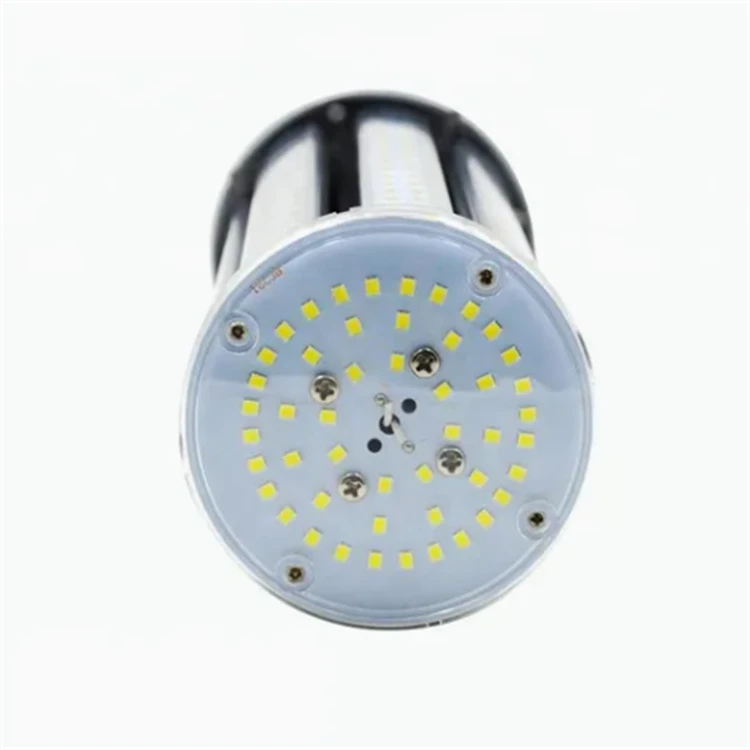
Unlike traditional bulbs that rely on a single filament or a compact arc tube, the high-performance LED corn bulb utilizes a sophisticated, cylindrical architecture. The core of this design is the multi-directional LED array. Arrays of high-efficiency SMD LED chips are meticulously mounted on multiple vertical aluminum boards (often referred to as "fins" or "blades") arranged in a radial pattern.
This radial arrangement is the foundational element of 360-degree brilliance. By positioning the LED boards in a continuous circular layout, light is projected outward in every direction perpendicular to the bulb's axis. Furthermore, the bottom of the bulb is capped with a dedicated circular PCB populated with additional LEDs, effectively eliminating the "dead zone" that plagues traditional corn bulbs. This comprehensive spatial distribution ensures that light reaches every corner of a room, corridor, or parking lot, eliminating shadows and creating a perfectly illuminated environment.
The density of the LED array directly correlates with the raw luminous intensity. Our engineering utilizes high-lumen-output SMD chips packed densely onto the boards. This high-density configuration allows the bulb to achieve remarkable brightness in a compact form factor, making it a direct, high-performance replacement for up to 400W Metal Halide or High-Pressure Sodium fixtures without the need for external reflectors.
Optical Diffusion and the Transparent Enclosure
To maximize the 360-degree distribution, the LED array is encased in a high-transmittance, transparent cylindrical cover.
The material chosen for this enclosure is specifically engineered to minimize refractive loss. It acts as a protective barrier without compromising the raw intensity of the LEDs. This ensures that the high-density lumens generated within the array are efficiently transmitted into the environment, providing crisp, clear illumination.
The transparent cover also plays a role in light diffusion. By allowing light to pass through without harsh refraction, it softens the point-source nature of the individual LEDs, creating a cohesive, uniform light beam that is easy on the eyes and eliminates glare-a critical factor for workplace safety and visual comfort.
Thermal Dynamics: The Silent Science of Reliability
The Detrimental Effects of Heat on LED Lifespan
The fundamental physics of LEDs dictate that heat is the enemy of longevity. Unlike traditional incandescent bulbs that radiate heat as infrared light, LEDs generate heat internally through non-radiative recombination and electrical resistance. If this heat is not effectively managed, junction temperatures rise, leading to accelerated lumen depreciation (fading), color shift, and eventually, catastrophic chip failure.
The No-Fan Heat Dissipation Solution
Many high-power LED fixtures rely on mechanical fans to cool their components. This is a critical design flaw. Fans introduce moving parts, which are inherently prone to mechanical failure. They also draw in dust, debris, and moisture, which can clog heat sinks and short-circuit electronics.
Our high-performance LED corn bulb proudly utilizes a "No-Fan Heat Dissipation Solution." This passive cooling approach relies on the principles of thermodynamics: conduction, convection, and radiation. By eliminating the fan, we eliminate the primary point of mechanical failure, ensuring a silent, maintenance-free operation that is immune to dust ingestion.
The secret to the efficacy of our passive cooling lies in the materials used. We utilize a high thermal conductive silicone between the LED boards and the aluminum heat sink. This silicone acts as a thermal bridge, efficiently drawing heat away from the sensitive LED junctions and transferring it to the aluminum housing.
The aluminum casing itself is designed as a massive heat sink. Its multi-finned, cylindrical geometry maximizes surface area, allowing for rapid convective heat transfer into the surrounding air. This robust thermal design ensures that the LEDs operate within their optimal temperature range, significantly reducing lumen depreciation and guaranteeing the longevity of the fixture.
The Economic Impact of Thermal Management
Superior thermal management directly translates to economic benefits for the buyer. By keeping the LEDs cool, the bulb maintains over 90% of its initial lumens for tens of thousands of hours. This drastically reduces the frequency of replacements, saving on the cost of new bulbs and, more importantly, the exorbitant labor costs associated with high-bay or street lighting maintenance.
Electrical Integrity: The Core Components of Excellence
The Driver Circuit: The Heart of the Bulb
While the LEDs are the visible stars of the bulb, the LED driver is the unsung hero. It is the power conversion circuit that transforms standard AC voltage into the precise DC voltage and current required by the LEDs. A cheap driver will invariably lead to a short-lived bulb, regardless of the quality of the LEDs themselves.
Pure Copper Wire and Big Margin Big Core Transformer
Our engineering prioritizes electrical stability and efficiency.
We utilize pure copper wire in the construction of our transformers and inductors. Unlike aluminum wire or copper-clad aluminum (CCA) used in cheaper alternatives, pure copper offers significantly lower electrical resistance. This results in less energy lost as heat and a more stable electrical output, directly contributing to the bulb's overall reliability and energy efficiency.
The transformer features a "big margin" design and a large core. This engineering choice prevents the transformer from operating near its saturation point. By providing a generous margin, the core operates cooler and more efficiently, easily handling electrical surges and voltage fluctuations without distortion or failure.
Advanced Semiconductors: MOS Tubes and Capacitors
The reliability of the driver circuit depends heavily on the quality of its discrete components.
We specify only premium MOS tubes from industry leaders like Toshiba or Fairchild. These semiconductor switches are crucial for the high-frequency switching process in the driver. Premium MOS tubes offer lower on-resistance and superior thermal stability, ensuring minimal switching losses and robust performance under heavy loads.
As detailed in previous engineering analyses, capacitors are the most common point of failure in LED drivers. We exclusively use premium electrolytic capacitors from renowned Japanese and Taiwanese manufacturers like Rubycon or Kingbox. These capacitors feature thermally stable electrolytes and hermetic sealing, ensuring they outlast the LEDs themselves, even under continuous high-temperature operation.
EMC Safeguard and Complete Common-Mode Inductor
Electromagnetic Compatibility (EMC) is a critical, yet often overlooked, aspect of lighting design. Cheaply manufactured bulbs can emit harmful electromagnetic interference (EMI) that disrupts sensitive equipment, such as communication networks or medical devices.
Our bulb features a complete common-mode inductor and an advanced inductance design. This circuitry effectively filters out electromagnetic noise, ensuring the bulb complies with strict EMC standards. The inclusion of safety capacitors and a complete resistor security main parts design guarantees that the bulb is safeguarded against electrical anomalies, providing a clean, safe, and stable power supply.
Environmental Fortification: IP64 and Beyond
The Necessity of Environmental Sealing
Commercial and industrial lighting is rarely deployed in climate-controlled environments. Warehouse ceilings are hot and dusty; outdoor parking lots are exposed to rain, snow, and extreme temperatures. To survive these conditions, an LED bulb must be built like a fortress.
IP64 Waterproof and Dustproof Design
Our LED corn bulb is engineered to the IP64 standard, representing a high level of environmental fortification.
The "6" in IP64 signifies a completely dust-tight rating. The driver and internal components are fully sealed with thermal paste and encased within the aluminum housing. This prevents the ingress of dust, which can coat components, block heat sinks, and cause short circuits. This makes the bulb ideal for high-dust environments like woodworking shops, textile mills, and agricultural facilities.
The "4" signifies protection against water splashes from any direction. The sealed design of the driver and the robust connection between the housing and the lens prevent moisture ingress. This makes the bulb highly suitable for outdoor applications, such as street lighting, parking lot illumination, and walkway lighting, where exposure to rain is inevitable.
Anti-Corrosion and Extreme Temperature Resilience
Beyond dust and water, the bulb is designed to resist environmental corrosion. The aluminum housing and the high thermal conductive silicone are specifically chosen for their anti-corrosion properties, making the bulb suitable for coastal areas or industrial environments with corrosive airborne chemicals.
The ultimate testament to the bulb's environmental engineering is its operating temperature range. From the biting cold of a refrigerated warehouse or a winter street to the blistering heat of a foundry or a summer rooftop, this bulb operates flawlessly. This wide temperature tolerance is a direct result of the meticulous thermal management and premium component selection discussed earlier.
Commercial Advantages: Building the Business Case
Total Cost of Ownership (TCO) Reduction
The engineering excellence described in this paper is not merely a technical achievement; it is a financial instrument. For facility managers and business owners, the decision to purchase lighting is a capital investment decision.
By replacing traditional 400W HID bulbs with high-performance LED corn bulbs, businesses can reduce their lighting energy consumption by 60% to 75%. The high-efficiency driver, combined with pure copper wiring and superior thermal management, ensures that almost every watt drawn from the grid is converted into light, not heat.
The most significant economic advantage is the avoidance of maintenance costs. A traditional HID bulb might last 15,000 to 20,000 hours, requiring replacement every 2 to 3 years. With a lifespan often exceeding 50,000 hours, our LED corn bulb can operate for 5 to 10 years without replacement. When one considers that the labor cost to replace a high-bay bulb with a scissor lift often exceeds $150, the elimination of three to four replacement cycles per fixture represents thousands of dollars in savings per fixture over the bulb's lifetime.
ODM and OEM Customization
We understand that branding is a critical asset for our B2B partners. Therefore, we offer comprehensive ODM (Original Design Manufacturer) and OEM (Original Equipment Manufacturer) services.
You have the opportunity to OEM your own special company logo directly onto the housing. This allows distributors, lighting contractors, and facility management brands to build their market presence with a high-performance product that carries their own mark of quality.
Ideal Applications
The unique combination of 360-degree brilliance, IP64 sealing, and high thermal durability makes this bulb the ultimate solution for a diverse range of demanding applications:
High-Bay Warehouses: The 360-degree light distribution eliminates shadows between aisles, improving safety and picking accuracy.
Street and Parking Lot Lighting: The IP64 rating and wide temperature range ensure reliable operation in all weather conditions, while the 360-degree output maximizes visibility for drivers and pedestrians.
Manufacturing Facilities: The high Color Rendering Index (CRI) and uniform light reduce eye strain and improve quality control.
Cold Storage and Foundries: The extreme temperature tolerance ensures performance where other bulbs fail.
Conclusion: The Future of Illumination is 360 Degrees
The Synthesis of Engineering and Value
The high-performance LED corn bulb represents the pinnacle of modern lighting engineering. It is a product where optical science, thermal dynamics, electrical engineering, and material science converge to create a solution that is greater than the sum of its parts. The 360-degree brilliance is not achieved by accident; it is the result of a deliberate, rigorous design philosophy that rejects compromise.
The Ultimate Buying Decision
When evaluating lighting options, the savvy buyer must look beyond the initial price tag. The true cost of a light bulb is determined by its energy consumption, its lifespan, and its reliability. By investing in a product featuring pure copper cores, Rubycon capacitors, Toshiba/Fairchild MOS tubes, and a fanless IP64 thermal design, you are not just buying a light bulb; you are investing in uninterrupted operations, reduced maintenance overheads, and a safer, brighter environment.
Final Recommendation
For those who demand the highest standards of performance and reliability, the choice is clear. Do not settle for the dim, fragile, and short-lived alternatives that flood the market. Upgrade to true 360-degree brilliance. Illuminate your facility with a lighting solution engineered to outlast, outperform, and outshine the competition. Experience the profound difference that superior engineering makes-and let your lighting become a testament to your commitment to quality.
How To Cooperate With Us?
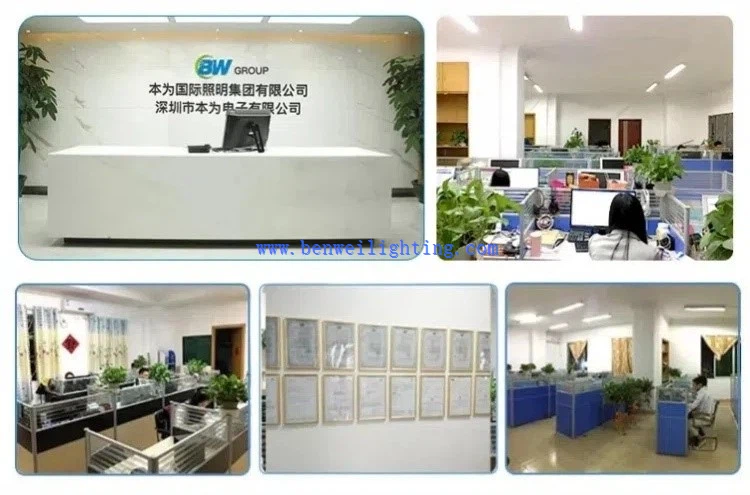
We are happy to have total control over the manufacturing process and the calibre of our products since we have our own facilities. Since we are producers rather than just brokers, we are dedicated to providing our customers with the best pricing. Since we are certain that the price and quality of our products are clear, we invite customers to see our samples first. Our commitment to quality and customer satisfaction drives us to continuously provide top-notch goods.
Our address
3rd Floor, 5th Building, Hebei Industrial Park, Hualian Community, Longhua District, Shenzhen, China





