

Introduction: The Harsh Reality of Industrial Illumination
Temporary lighting is the silent workhorse of industrial progress. However, the environments in which these lights operate are inherently hostile.
The Corrosive Threat in Modern Workspaces
Construction sites are saturated with moisture, concrete dust, and chemical solvents. Maritime yards contend with saltwater spray and high humidity. Automotive garages deal with oil, brake fluid, and temperature fluctuations. Traditional lighting fixtures-often constructed from cheap stamped steel or brittle plastics-succumb to oxidation rapidly. Rust not only compromises the structural integrity of the light but also degrades the internal electrical contacts, leading to short circuits and fire hazards.
The Physics of Impact and Vibration
Job sites are chaotic. Tools are dropped from scaffolding; heavy equipment brushes past temporary structures; and materials are shifted constantly. Fragile glass halogen bulbs and thin plastic LED housings are devastatingly vulnerable to kinetic impact. A single dropped wrench can shatter a traditional work light, leaving dangerous glass shards on the floor and plunging the work area into darkness.
The Engineering Solution: Aluminum Alloy
To overcome these dual threats of corrosion and impact, lighting manufacturers must utilize advanced materials. The Aluminum Alloy LED Work Light represents the pinnacle of this engineering evolution. By combining a specialized rust-proof aluminum body with a thickened impact cage, these fixtures are purpose-built to survive the worst conditions a job site can offer.
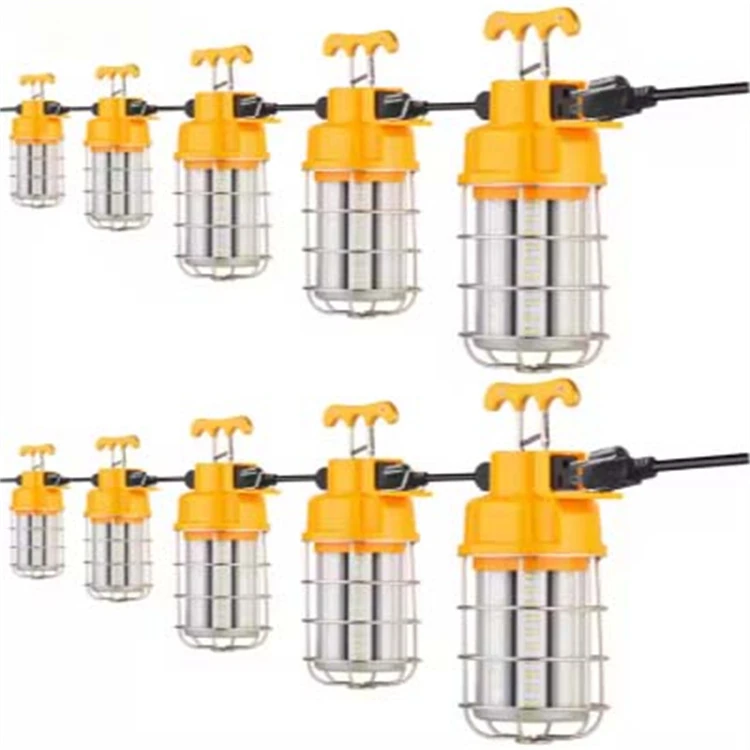
Material Science: The Rust-Proof Advantage of Aluminum Alloy
The foundation of this product's exceptional durability lies in its material composition. The choice of aluminum alloy is not arbitrary; it is the result of rigorous materials science.
The Superiority of Aluminum Over Traditional Materials
Historically, industrial work lights used steel housings. While steel is strong, it is highly susceptible to oxidation (rust) unless heavily treated. Aluminum, conversely, offers a unique set of chemical and physical properties.
Inherent Corrosion Resistance
Aluminum naturally forms a microscopic, transparent layer of aluminum oxide on its surface when exposed to oxygen. This passivation layer acts as a self-healing barrier, preventing further oxidation. This inherent property makes the aluminum body highly resistant to rust, even in damp, outdoor, or coastal environments where salt spray would quickly destroy steel fixtures.
Exceptional Strength-to-Weight Ratio
A crucial factor in portable temporary lighting is weight. A light that is too heavy is cumbersome for workers to move and hang. Aluminum is approximately one-third the density of steel, yet it possesses impressive tensile strength. This means the Aluminum Alloy LED Work Light is lightweight enough for easy transport and one-handed hanging, while remaining structurally rigid enough to withstand drops and vibration.
Surface Spray Coating: The Ultimate Shield
While aluminum is naturally corrosion-resistant, the chaotic nature of a job site demands an extra layer of protection. To ensure the light body never rusts, the manufacturer applies a specialized surface spray coating.
Combating Chemical and Environmental Degradation
This industrial-grade coating creates an impermeable polymer barrier over the aluminum. It protects the metal from highly alkaline substances (like wet concrete), acidic solvents, and heavy industrial dust. This is particularly vital for automotive garages where brake cleaners, oils, and transmission fluids are frequently sprayed into the environment.
Enhancing Scratch Resistance
The spray coating also increases the surface hardness of the housing, making it resistant to scratches and abrasions during transport and storage. Even if the light is dragged across a concrete floor, the coating protects the underlying aluminum, maintaining its structural integrity and aesthetic appearance for years.
Structural Engineering: The Impact-Resistant Architecture
While the aluminum body protects against environmental degradation, the structural design protects against kinetic trauma.
The Thickened Lamp-Chimney
The most visually striking feature of this fixture is the heavy-gauge metal wire cage enclosing the LED body. This thickened lamp-chimney is engineered with a singular purpose: to prevent violent impact and unintentional falling.
Kinetic Energy Absorption and Load Distribution
When an object strikes the light-or when the light itself is dropped-the kinetic energy must go somewhere. Without a cage, that energy would shatter the LED panels or deform the aluminum housing. The wire cage is designed as a structural exoskeleton. The thick gauge of the wire absorbs the initial impact, distributing the force across the entire cage structure rather than concentrating it on a single point. The cage bends slightly under extreme pressure but springs back, leaving the vital internal components completely unharmed.
Eliminating the Shattered Glass Hazard
The most dangerous vulnerability of legacy halogen lights is the glass bulb. In a high-traffic construction zone or a busy garage floor, shattered glass is a severe slip and puncture hazard. Because the LED work light uses a solid aluminum body surrounded by a metal cage, the risk of glass contamination is completely eliminated. This shatterproof design ensures continuous operation and eliminates the costly downtime associated with cleanup and bulb replacement.
Internal Shock Management: The 2835 LED Chip Technology
The impact resistance extends inside the fixture. The illumination is provided by high-light 2835 LED chips.
Solid-State Durability
Unlike incandescent filaments which break if jostled, LEDs are solid-state devices. They are soldered directly to the internal circuit boards, making them highly resistant to shock and vibration. Whether the light is hanging from a vibrating piece of machinery or being tossed into the bed of a pickup truck, the 2835 chips will continue to function flawlessly.
360-Degree Light Dispersion
The 2835 chips are mounted on vertical panels within the aluminum housing. This architectural choice is not just for durability; it provides a true 360-degree light dispersion pattern. When suspended from the cage's hanging hook, the light radiates outward in all directions, eliminating harsh shadows and ensuring that workers have comprehensive visibility around them, rather than just in one directed beam.
Thermodynamic Efficiency: Fast Heat Dissipation
A common misconception is that LEDs do not generate heat. While they are highly efficient, they do produce heat at the semiconductor junction, and this heat must be managed to prevent premature failure.
Aluminum as a Massive Heat Sink
The choice of aluminum is not just for rust-proofing and strength; it is also critical for thermal management. Aluminum has exceptional thermal conductivity. It rapidly absorbs the heat generated by the 2835 LED chips and transfers it away from the delicate electronic components.
Convective Airflow Architecture
The thick metal cage and the aluminum body work in tandem with the unit's open-air design. The top and bottom of the fixture feature carefully engineered ventilation slots. As the aluminum heats up, it warms the surrounding air. This hot air naturally rises and escapes through the top vents, creating a vacuum that pulls cooler ambient air in through the bottom. This continuous convective airflow creates a self-sustaining cooling cycle, ensuring the internal temperature remains optimal even during 12-hour continuous operation.
Preventing Lumen Depreciation
Excessive heat is the leading cause of "lumen depreciation"-the gradual dimming of an LED over time. By aggressively managing thermal dissipation, these lights maintain their high-lumen output consistently throughout their lifespan. This guarantees that the worksite remains brightly illuminated from the moment the lights are plugged in until the project is complete, maximizing safety and productivity.
Operational Versatility and Configuration
Beyond their physical durability, these lights are designed for the logistical realities of modern job sites.
Ergonomic Deployment: Handle and Hook Design
The fixture is topped with a robust, U-shaped carrying handle. This ergonomic design serves a dual purpose. It allows workers wearing thick protective gloves to easily transport multiple lights, and it functions as a heavy-duty hanging hook. Workers can effortlessly suspend the lights from scaffolding, rafters, rebar, or garage door tracks, enabling rapid deployment and hands-free operation.
Modular String Configurations
These work lights are designed to function as a cohesive string lighting system. They are available in standard 5-light or 10-light per string options, with the ability to customize string lengths.
5-Light Configuration: Ideal for tight spaces, residential renovations, or targeted maintenance work.
10-Light Configuration: Perfect for expansive commercial construction sites, warehouses, or large manufacturing floors. The daisy-chain architecture allows multiple strings to be connected end-to-end, illuminating vast areas from a single power source.
Customizable Plug Specifications
To ensure seamless integration with diverse power grids and local electrical codes, the manufacturer offers customizable plug specifications. Whether you require standard US three-prong plugs, European Schuko plugs, or specialized industrial connectors, the system can be tailored to your specific facility or region, ensuring immediate plug-and-play compatibility and safety compliance.
Real-World Applications: Where Durability Matters Most
The unique combination of rust-proofing and impact resistance makes these lights indispensable across numerous industries.
Construction and Heavy Engineering
On active construction sites, fixtures face constant abuse from falling debris, dust, and rain. The aluminum alloy body and thickened cage allow these lights to be strung along scaffolding or hung from unfinished ceilings without fear of them failing. In poured-concrete environments, the rust-proof coating ensures that alkaline moisture will not degrade the unit.
Maritime and Offshore Operations
In shipyards and offshore platforms, saltwater corrosion destroys standard lighting within weeks. The spray-coated aluminum housing is explicitly designed to withstand marine environments. The lights provide critical illumination for welding, repairs, and inspections, unaffected by the harsh, salty air.
Automotive Maintenance and Damp Garages
Mechanics often work in low-light garages where vehicle fluids and cleaning chemicals are prevalent. The impact cage protects the lights from flying tools, while the aluminum body resists the rust caused by damp concrete floors and spilled chemicals. The 360-degree illumination is perfect for eliminating shadows under vehicle hoods and chassis.
The Business Case: Calculating Total Cost of Ownership (TCO)
For procurement officers and business owners, the decision to invest in premium heavy-duty lighting is fundamentally a financial one. A rigorous Total Cost of Ownership (TCO) analysis reveals that these aluminum alloy lights offer a superior ROI compared to cheap, disposable alternatives.
Eliminating Replacement Costs and Labor
Cheap plastic or thin-steel lights must be replaced frequently. A single broken fixture costs not only the price of a new light but also the labor hours required to stop work, remove the broken unit, clean up debris, and install a replacement. The rust-proof, shatterproof design of these aluminum lights reduces the replacement rate to virtually zero. Over the course of a multi-year construction project, this translates to thousands of dollars in saved labor and materials.
Energy Efficiency and Grid Management
LED technology consumes up to 80% less electricity than halogen equivalents. For a site running dozens of lights 24/7, this results in significant savings on utility bills and generator fuel. Furthermore, the lower amperage draw allows more lights to be connected to a single circuit, reducing the need for expensive temporary power infrastructure.
Mitigating Liability and Insurance Risks
Workplace injuries and fires caused by poor lighting or overheated fixtures are incredibly costly. By utilizing cool-running LED chips and impact-resistant housings that eliminate glass hazards, facility managers drastically reduce the risk of accidents. A safer work environment directly correlates with lower insurance premiums and protects the business from devastating liability claims.
Conclusion and Strategic Recommendations
The Aluminum Alloy LED Work Light is not merely a commodity; it is a critical piece of industrial infrastructure. By rigorously engineering the fixture around a rust-proof aluminum body, protected by a thickened impact cage, and powered by highly efficient 2835 LED chips, the manufacturer has created a lighting solution that defies the harsh realities of modern workspaces.
Strategic Recommendations for Buyers:
Prioritize Material Quality: Always insist on aluminum alloy bodies with spray coatings over standard steel or plastic. The long-term savings from rust prevention alone justify the investment.
Demand Impact Protection: Ensure the lighting solution features a thickened wire cage. The reduction in shattered bulbs and broken fixtures will directly improve site safety and reduce downtime.
Customize Your Setup: Take advantage of the 5-light and 10-light string configurations and customizable plug specifications to perfectly match the spatial and electrical constraints of your specific project.
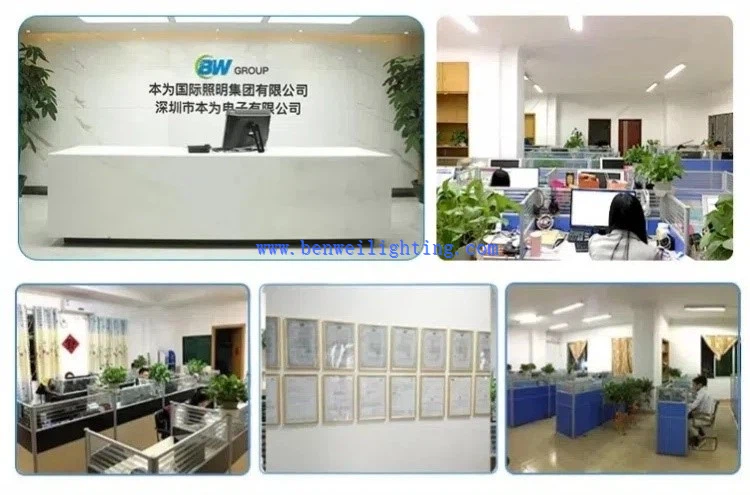
How To Cooperate With Us?
Having its own factory gives our firm complete control over the production process and the quality of our goods, which we take great pride in. We are manufacturers, not only brokers, committed to offering our clients the lowest costs. We invite consumers to evaluate our samples first since we are certain that the cost and quality of our items are evident. Our dedication to excellence and client happiness motivates us to consistently provide superior products.
Our address
3rd Floor, 5th Building, Hebei Industrial Park, Hualian Community, Longhua District, Shenzhen, China





