

What Are Aluminum Channels for LED Strip Lighting?
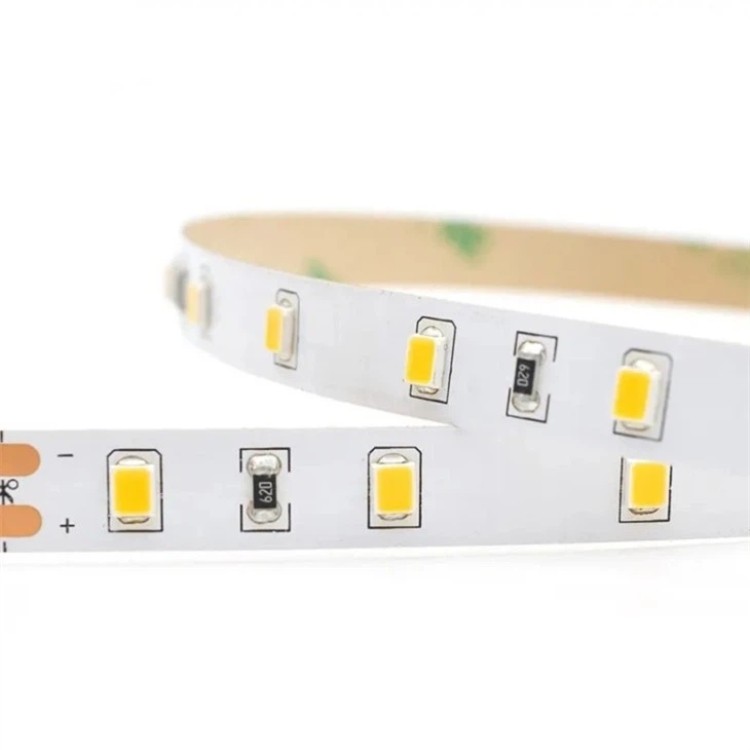
Although LED strips provide versatility and user-friendliness, they are fundamentally a lighting component rather than a complete lighting product. Aluminum channels, also referred to as aluminum extrusions, perform various functions that enhance the appearance and functionality of LED strip lights, making them resemble conventional lighting fixtures.
The aluminum channel is uncomplicated and direct. It is composed of extruded aluminum, which facilitates a long and narrow design, ideal for linear lighting installations utilizing LED strip lights. The channels are generally "U" shaped, featuring a slot approximately half an inch wide for the installation of the LED strip light. The predominant length is 3.2 ft (1.0 meter), and they are frequently sold in sets of 5 channels, corresponding to the standard 16.4 ft (5.0 meter) LED strip reel length.
A polycarbonate diffuser is frequently included alongside the aluminum channel. The polycarbonate diffuser is produced through an extrusion process and is engineered for effortless attachment and detachment from the top of the aluminum channel. Once installed, the diffuser generally rests about a quarter to half an inch from the LED strip lights, which are affixed at the base of the aluminum channel. The diffuser, as indicated by its name, facilitates the dispersion of light and enhances the light distribution of the LED strip light.
Do Aluminum Channels Facilitate Thermal Management?
In the initial stages of LED lighting, thermal management constituted a significant challenge in the design of light bulbs and fixtures. Unlike incandescent or fluorescent lamps, LED diodes exhibit heightened sensitivity to elevated temperatures, and inadequate thermal management may result in premature or catastrophic failure. Indeed, you may remember early household LED lamps featuring intricate aluminum fins designed to enhance the total surface area for heat dissipation into the surrounding environment.
Aluminum is one of the most effective materials for heat management due to its thermal conductivity, which ranks just below that of copper, a significantly more expensive alternative. Consequently, aluminum channels facilitate thermal management by enabling direct contact that allows heat to transfer from the LED strip to the aluminum channel body, providing a larger surface area for heat dissipation into the surrounding environment.
In recent years, the necessity for thermal management has diminished, primarily due to decreased manufacturing costs. The reduction in diode costs has enabled lighting engineers and designers to incorporate a greater number of diodes in lamps and fixtures, each operated at a lower drive current. This results in enhanced diode efficiency and diminished thermal accumulation, as the diodes are now more widely distributed than previously.
Likewise, due to the high density of diodes per foot in LED strip lights (37 per foot), and the operation of each LED at significantly reduced current levels, these strips can function safely without any thermal management requirements. Although they experience a slight increase in temperature during operation, they are meticulously calibrated to stay significantly below maximum temperature ratings, even when the LED strips are suspended in stagnant air.
Do LED strip lights require aluminum channels for heat dissipation? The concise response is negative, provided that the LED strip is produced with high-quality materials and that the diodes are not overdriven.
Shenzhen Benwei Lighting Technology Co., Ltd was established in 2010. It is a national high-tech enterprise integrating design, R&D, production and sales of indoor and outdoor lighting products and also can do OEM ,ODM .For more details about our offerings, please contact us at bwzm18@ledbenweilighting.com





