

If you're looking to create a beautiful avian habitat, one of the key components to consider is lighting. For bird enthusiasts, breeders, and pet owners who dedicate themselves to building a comfortable, healthy, and simulated natural living space for their feathered pets, every detail of the aviary environment matters greatly. Temperature, humidity, space layout, and daily nutrition are all fundamental to bird health, yet lighting is often an overlooked core element that profoundly impacts birds' physical development, mental state, and daily biological rhythms. Natural sunlight is irreplaceable for wild birds, providing essential light radiation, promoting nutrient absorption, and regulating physiological cycles. However, most indoor aviaries and pet bird cages cannot access sufficient, stable natural sunlight all year round, especially in rainy seasons, winter with short daylight, or indoor breeding environments with poor light conditions. This is where Aviary Illumination Light comes into play. Aviary Illumination Light is a specialised type of lighting that can provide a variety of benefits for your birds, including simulating natural sunlight, supplementing essential light spectrum, promoting vitamin synthesis, improving feather growth, and relieving bird anxiety caused by insufficient light. But despite its numerous advantages for avian health and habitat optimization, there are some important precautions to keep in mind when using it. Improper installation, incorrect bulb selection, unreasonable light duration, and unsafe placement can easily lead to safety hazards, bird stress, physical discomfort, or even chronic health problems. Therefore, mastering standardized usage precautions is essential to maximize the benefits of aviary lighting while fully protecting the health and safety of your birds.
First and foremost, safety is crucial when working with any type of lighting. Electrical safety is the primary bottom line for all aviary lighting equipment use, as birds are lively, curious, and active animals that love to peck and explore every corner of their living space. Unlike human living environments, bird cages and aviaries are open activity spaces without fixed protection barriers, making electrical equipment more vulnerable to accidental damage caused by birds. Make sure that all electrical connections are properly grounded and that any cables are safely tucked away so they aren't tripped over or chewed by your birds. Ungrounded electrical circuits may cause electric leakage risks, which can lead to electric shock accidents once birds accidentally contact the light fixtures or circuit shells. All wiring interfaces, power connectors, and plug parts must be firmly fixed and wrapped with safe and insulating protective materials to avoid exposed metal parts. In addition, all power cords should be hidden in the gap of the cage frame, fixed with special wire fixing buckles, or routed through the outer wall of the aviary. Never leave wires suspended inside the cage. Birds' sharp beaks are powerful enough to easily peck through ordinary plastic wire sheaths; once the internal wires are exposed, it will not only cause circuit short circuit and equipment burnout, but also bring fatal electric shock danger to birds. Meanwhile, scattered and messy cables are easy to be entangled by birds' flying feathers or tripped over by birds when jumping and walking, causing accidental injury, flight obstruction or cage chaos. Regular inspection of circuit aging, loose wiring and damaged wire sheaths is also an essential part of daily safety maintenance to ensure long-term safe operation of lighting equipment.
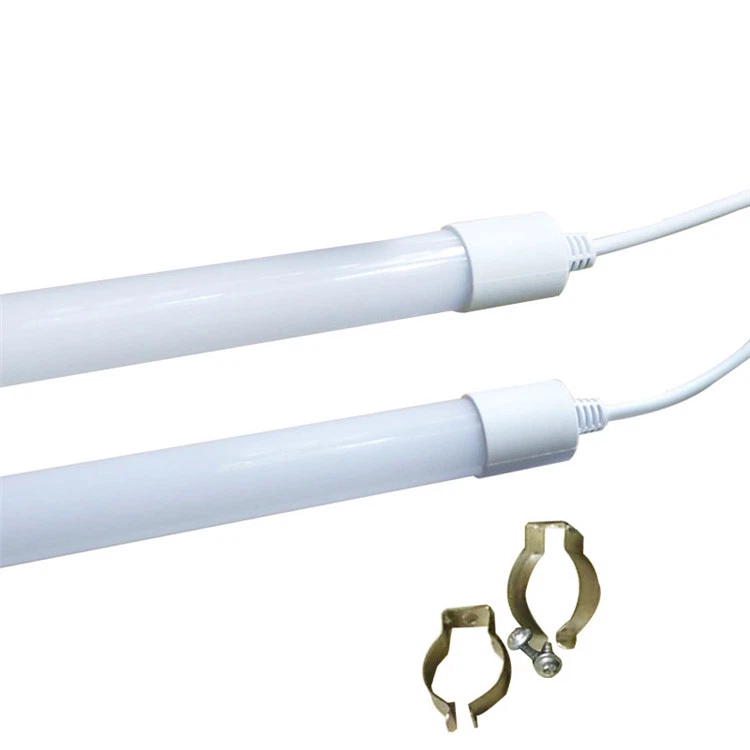
Another important factor to consider is the type of bulbs you're using in your aviary lighting. The light spectrum emitted by ordinary household lighting is single and cannot meet the special physiological needs of birds, so professional aviary-specific bulbs are the prerequisite for effective lighting care. Aviary Illumination Light bulbs should be UV-A and UV-B filtered as birds, especially parrots, require natural sunlight for good physical and mental health. Birds have more sensitive visual systems and more complex physiological circulation mechanisms than humans. UV-A and UV-B spectra in natural sunlight can help birds synthesize vitamin D3, promote calcium absorption, prevent bone diseases such as rickets and osteoporosis, and also help birds maintain bright feather color, normal hormone secretion and stable mental state. For parrots, macaws, cockatiels and other common pet bird species, long-term lack of effective ultraviolet light will easily lead to dull feathers, decreased appetite, irritability and listlessness, and even affect their reproduction and molting cycle. If you are using these types of bulbs, be aware that they can become hot, so take care in placement and use fixtures that are appropriate for the bulbs. Professional UV-A and UV-B aviary bulbs will generate high temperature during long-term operation. If installed too close to the bird's activity area, the high temperature may cause skin burns and feather scalding. It is necessary to select matched high-temperature resistant, fixed and stable special lamp fixtures, and avoid using ordinary plastic lamp holders that are easy to melt and deform. Large bird cages can accommodate long tube UV-A and UV-B light bulbs but make sure they don't fall and break inside the cage. Long tube bulbs are large in size and heavy in weight. Once the fixing device is loose and falls off, the glass bulb will break easily. Broken glass fragments will scratch birds' skin and feet, and the internal chemical coating of the bulb will also pollute the aviary environment, bringing hidden dangers to bird health. Therefore, after installing tubular bulbs, it is necessary to check the firmness of the fixing bracket repeatedly, and install anti-fall protection nets if necessary to completely avoid falling risks.
Additionally, it's important to regulate the amount of light your birds are exposed to. Light is a key factor in regulating the biological clock of birds, and scientific light duration directly determines their sleep quality, emotional state and metabolic level. Blindly increasing lighting time to supplement light will instead cause a series of adverse reactions. Too much light can increase stress levels, lead to aggressive behavior, and disrupt sleep cycles. Birds need sufficient dark and quiet rest time to complete physical recovery, hormone regulation and energy storage. Long-term excessive light exposure will keep birds in a state of nervous excitement for a long time, unable to relax and rest fully. Over time, they will be prone to irritability, screaming, attacking other birds or pecking their own feathers, resulting in feather loss and skin damage. At the same time, disrupted sleep cycles will affect their digestive system and immune system, leading to decreased appetite, slow weight growth and reduced disease resistance. A good rule of thumb is to provide 12-14 hours of light per day, followed by 10-12 hours of darkness. This light and dark cycle is highly consistent with the natural day-night rhythm of most birds' living habits, which can simulate the wild natural light environment to the greatest extent, help birds form a regular work and rest habit, maintain stable physical and mental state, and effectively avoid stress and behavioral abnormalities caused by light disorder.
Another consideration when using Aviary Illumination Light is the type of bird species you're caring for. Different bird species have evolved and adapted to different living environments in the long-term natural evolution process, resulting in huge differences in their tolerance to light intensity, spectrum demand and light cycle. There is no universal fixed lighting scheme suitable for all birds. Some birds may require different lighting levels or even different types of lighting altogether. For example, tropical bird species living in equatorial high-light environments usually need longer light time and moderate ultraviolet intensity; while temperate and subtropical bird species with shy personalities are more sensitive to strong light and need appropriately reduced light intensity to avoid stress. Young birds, molting birds and breeding parent birds also have special lighting needs: young birds need soft and stable light to promote growth and development, breeding birds need reasonable light regulation to assist estrus and reproduction, and molting birds need moderate ultraviolet light to ensure healthy feather regeneration. Research the optimal lighting conditions for your specific bird species prior to installation. Before installing and turning on the aviary illumination light, it is necessary to check the professional breeding data of the corresponding bird species, clarify their suitable light intensity, ultraviolet spectrum demand and day and night light cycle, and formulate a targeted lighting plan, so as to ensure that the lighting equipment can play a positive auxiliary role in breeding and maintenance.
Finally, it's important to keep in mind that even with proper care and precautions, lighting is just one component of overall bird care. Although scientific aviary lighting can optimize the living environment, improve bird immunity and regulate physiological state, it cannot replace other core breeding and maintenance links. A single excellent lighting condition is not enough to support the healthy growth of birds. Make sure to provide your birds with a variety of activities, proper nutrition, and a clean, safe living environment. Birds are intelligent and lively animals that need sufficient space to fly and climb, and diversified toys to consume energy and relieve boredom, so as to avoid emotional depression and behavioral problems caused by single living conditions. At the same time, balanced and professional nutrition matching is the core of bird health. Matching feed, fruits, vitamins and mineral supplements according to bird species and age can ensure their physical development. In addition, regular cleaning of the aviary, replacement of drinking water, cleaning of feces and disinfection of the environment can effectively avoid bacterial breeding and infectious diseases, creating a clean and comfortable living space for birds. Only by combining scientific lighting management with diversified activity arrangements, standardized nutritional supply and hygienic environmental maintenance can we realize all-round bird care.
In summary, when using Aviary Illumination Light in your aviary, make sure to keep safety a top priority, choose the correct type of bulb, regulate the amount of light, consider the needs of your bird species, and provide holistic care for your birds. Electrical safety protection can eliminate potential safety hazards in the use of equipment, professional bulb selection can meet the physiological light demand of birds, reasonable light duration regulation can stabilize the biological clock and emotional state of birds, and species-targeted lighting schemes can ensure the pertinence and effectiveness of light maintenance. On this basis, cooperating with holistic scientific breeding management can fundamentally guarantee the healthy growth of birds. By following these guidelines, you can create an optimal avian habitat and help your birds thrive. Standardized and reasonable aviary illumination light use skills, together with systematic bird care methods, can simulate the most suitable natural living environment for captive birds, effectively improve their physical quality, mental state and quality of life, and let your feathered pets grow healthily and lively in the artificial aviary habitat.

How To Cooperate With Us?
We are happy that we have total control over the manufacturing process and the quality of our products since we have our own facilities. Since we are producers rather than just brokers, we are dedicated to providing our customers with the best pricing. Since we are certain that the price and quality of our products are transparent, we advise customers to examine our samples first. Our commitment to quality and customer satisfaction drives us to continuously provide top-notch goods.
Our address
3rd Floor, 5th Building, Hebei Industrial Park, Hualian Community, Longhua District, Shenzhen, China





