

Aviary owners are often concerned about the lighting in their birds' housing. They want to ensure that they are providing ample light for their birds to thrive, but also want to ensure that it is safe for their birds. Raising pet birds and maintaining a healthy aviary habitat requires meticulous attention to every environmental detail, as birds are extremely sensitive creatures whose physical health, mental temperament, and natural biological habits are heavily influenced by their surrounding living conditions. Among all environmental factors including temperature, humidity, diet, and living space, lighting stands out as one of the most easily overlooked yet fundamentally critical elements. Many novice and experienced aviary caregivers spend countless hours optimizing bird feed formulas, cleaning cages daily, and enriching aviary activities, yet they fail to realize that improper lighting can silently hinder their birds' growth, trigger emotional stress, or even induce chronic health issues. They want to ensure that they are providing ample light for their birds to thrive, supporting healthy feather growth, stable immune function, and active daily behavior, but also want to ensure that it is safe for their birds and free from hidden hazards that artificial lighting may bring. One product that is often advertised for aviary lighting is the Aviary Illumination Light, a specialized lighting solution tailor-made for bird enclosures and widely promoted across pet breeding communities, aviary enthusiast platforms, and pet product markets. But, the big question that troubles almost every bird owner before purchase and use is, is it safe for birds? This lingering doubt has become the core consideration for countless aviary keepers when choosing professional lighting equipment, making it essential to conduct an in-depth and comprehensive analysis of the product's safety, applicable scenarios, potential risks and usage norms.
The Aviary Illumination Light is marketed as a high-quality, energy-efficient light source that is specially designed for bird enclosures. Unlike ordinary household LED lights, incandescent lamps or decorative lights that are only suitable for human living environments, this professional aviary lighting product is positioned exclusively for the unique physiological and behavioral needs of caged birds. The manufacturer claims that the light emits a balanced spectrum of light that closely mimics natural sunlight, which is essential for the health and well-being of birds. Natural sunlight is the most original and optimal light source for all wild and captive birds. It contains a reasonable proportion of visible light, mild ultraviolet rays and soft spectral layers, which can help birds synthesize vitamin D3, promote calcium and phosphorus absorption, maintain bright and healthy feather luster, regulate endocrine balance, and relieve negative emotions such as anxiety and depression caused by long-term indoor captivity. Ordinary artificial lights have single spectral components, lack effective beneficial light waves, and even contain biased light wavelengths that are not friendly to bird vision. In contrast, the Aviary Illumination Light is engineered through professional optical calibration to simulate the spectral ratio of natural daylight, while adopting low-power and energy-saving core technology to reduce long-term power consumption and heat generation. Its core design concept is to fill the light gap of indoor aviaries, make up for insufficient natural sunlight in rainy days, winter seasons and indoor dark environments, and create a bionic natural light environment for captive birds to support their long-term healthy growth.
However, the safety of the Aviary Illumination Light for birds is somewhat controversial in the avian breeding and pet care industry. With the gradual popularity of this specialized lighting product, more and more bird owners have begun to try it, and diverse user feedback and professional evaluation voices have emerged, forming obvious divergent views on its safety. Some people swear by the product and say that it has significantly improved their bird's health and mood. A large number of practical user cases show that after long-term standardized use of the Aviary Illumination Light, captive birds have more glossy and neat feathers, more active daily foraging and flying behaviors, reduced lethargy and listlessness, and more stable mental states. For breeding birds, reasonable supplementary lighting with this product can also optimize their physiological cycle, improve breeding activity, and reduce physiological disorders caused by insufficient light. Many professional aviary breeders have listed it as a standard supporting facility for large-scale bird breeding, believing that it solves the pain point of insufficient indoor natural light and greatly improves the overall survival and health quality of flocks. Others argue that artificial light sources can never replace natural sunlight and that the Aviary Illumination Light is actually harmful to birds. Opponents insist that no matter how sophisticated the bionic spectrum technology of artificial lighting is, it cannot fully replicate the dynamic changes of natural sunlight, including real-time light intensity adjustment, natural ultraviolet floating value and alternating light and dark rhythm changes. They believe that long-term dependence on artificial aviary lighting will interfere with birds' natural adaptive ability, and even cause potential damage to their visual system and biological clock, questioning the long-term safety of the product for bird growth.
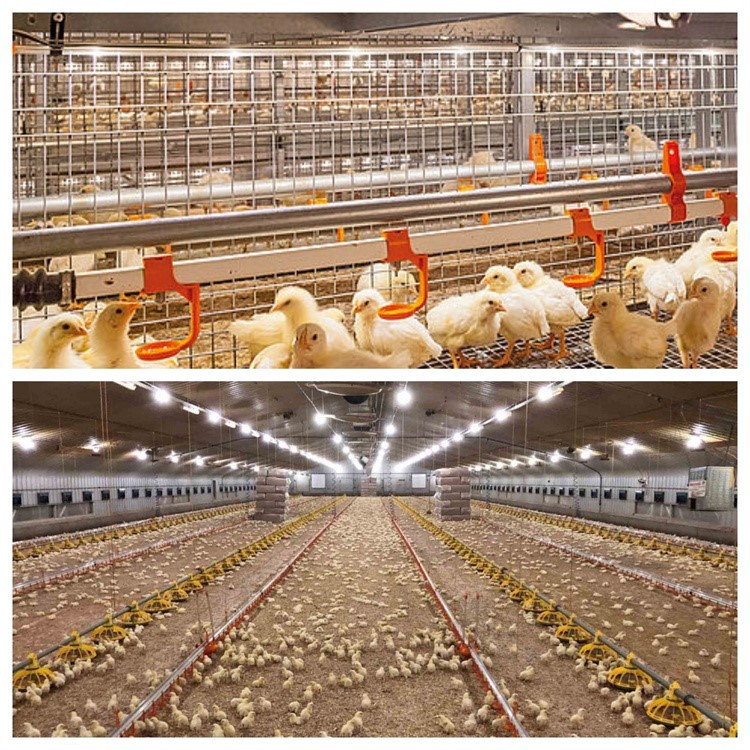
One of the primary concerns is that the Aviary Illumination Light may emit harmful UV rays that could damage the delicate skin and eyes of birds. The biggest safety dispute surrounding professional aviary lighting products mainly focuses on ultraviolet radiation, because bird skin and eye structures are far more delicate and sensitive than human tissues. Birds have highly developed visual systems that can perceive spectral ranges invisible to humans, and their corneal and retinal tissues are extremely vulnerable to excessive ultraviolet stimulation. Some bird species are particularly sensitive to UV light, including parrots, finches and other common pet bird varieties, and can suffer from severe health problems if exposed to too much of it. Excessive ultraviolet radiation may cause corneal dryness, eye inflammation, blurred vision and other eye diseases in birds, and long-term overexposure may also lead to dry skin, feather follicle damage and abnormal feather shedding, seriously affecting their physical health and appearance. It is important to note that the Aviary Illumination Light is specially designed to emit low levels of UV light, so it is unlikely to cause any harm. Different from industrial high-ultraviolet disinfection lamps and ordinary unfiltered ultraviolet lights, this professional aviary lamp has built-in professional spectral filtering technology in the production process, which can filter out high-intensity harmful ultraviolet bands and retain only the low-dose beneficial ultraviolet spectrum required for bird physiological activities. The low UV output is strictly controlled within the safe threshold formulated by avian animal care standards, which can meet the needs of bird vitamin synthesis and physiological regulation without causing radiation damage to their skin and eyes, effectively resolving the core safety hazard of ultraviolet overexposure.
Another issue is that some people worry that the Aviary Illumination Light may disrupt birds' natural circadian rhythms. Circadian rhythm is the inherent biological clock formed by birds in the long-term natural evolution process, which dominates their sleep, foraging, activity, rest and hormone secretion rules. Birds need a certain amount of natural light and dark to regulate their sleep and activity cycles. Under natural wild conditions, birds follow the sunrise-sunset light cycle, with active foraging and flying in bright daytime and quiet rest and sleep in dark night. This stable alternating light and dark rhythm is the basis for maintaining their normal metabolism, immune regulation and emotional stability. If they are exposed to too much artificial light, it may confuse their internal clocks and cause them to become restless or stressed. Unregulated artificial lighting, such as excessive light duration, inconsistent light time and unnatural light intensity, will break the inherent biological clock of birds, leading to insomnia at night, listlessness during the day, irritable screaming, aggressive behavior, decreased appetite and other adverse reactions, and even affect their molting and breeding cycles in severe cases. Again, it is essential to note that the Aviary Illumination Light is designed to closely mimic natural sunlight, so it is unlikely to cause any disruption to birds' natural rhythms. The product's spectral brightness and light output rhythm are simulated according to the soft change law of natural daylight, without stroboscopic flicker and sudden strong light stimulation. When used in accordance with the standard 12–14 hours of light and 10–12 hours of dark cycle, it can perfectly fit the natural circadian rhythm of birds, effectively avoiding biological clock disorder and emotional stress caused by inappropriate artificial light.
Ultimately, whether or not the Aviary Illumination Light is safe for birds depends on a variety of factors. No pet lighting product has absolute universal safety, and the actual use effect and safety performance are affected by multiple practical variables in the breeding environment. The species of bird, the size and layout of the aviary, and the intensity and duration of the light all play a role in determining whether or not the Aviary Illumination Light is right for your birds. Different bird species have distinct light tolerance and spectral needs: large parrots have stronger light adaptability, while small ornamental birds are more sensitive to light intensity and need softer lighting environments. The size and layout of the aviary also matter greatly. Large open aviaries allow light to diffuse evenly with no local strong light gathering, while small narrow cages may cause light concentration, leading to local overexposure. In addition, unreasonable light intensity adjustment and ultra-long lighting time will also turn safe lighting into a potential hazard. It is always important to consult with a qualified avian veterinarian or experienced aviary owner before making any changes to your bird's housing or lighting. Professional avian veterinarians can provide targeted suggestions based on the physical condition, age and species characteristics of birds, while senior aviary breeders can share practical usage experience to help new users avoid operational mistakes, ensuring that the lighting equipment is used in the most scientific and safe way.
In conclusion, the Aviary Illumination Light is a popular option for aviary lighting, but its safety for birds is a topic of debate in the pet breeding industry. Its bionic natural spectrum design and low-risk ultraviolet output make it far safer than ordinary artificial lights, while its energy-saving and stable performance make it the preferred supplementary lighting equipment for most aviary owners. While it is unlikely to cause any harm to birds when used correctly in accordance with official specifications and avian care standards, it is important to take into account individual bird species and needs before deciding whether or not to use this product. Blind use regardless of bird variety, aviary environment and lighting cycle will still lead to poor use effects and potential risks. As with any change to a bird's housing or environment, it is always best to consult with an expert before making any decisions. With professional guidance, standardized operation and targeted configuration according to actual breeding conditions, the Aviary Illumination Light can give full play to its advantages of optimizing the aviary light environment and protecting bird health, becoming a safe and reliable auxiliary tool for aviary habitat construction.

How To Cooperate With Us?
We are happy that we have total control over the manufacturing process and the quality of our products since we have our own facilities. Since we are producers rather than just brokers, we are dedicated to providing our customers with the best pricing. Since we are certain that the price and quality of our products are transparent, we advise customers to examine our samples first. Our commitment to quality and customer satisfaction drives us to continuously provide top-notch goods.
Our address
3rd Floor, 5th Building, Hebei Industrial Park, Hualian Community, Longhua District, Shenzhen, China





