

Introduction
The Hidden Costs of Outdoor Lighting
The primary objective of stadium and industrial lighting is to provide safety, security, and visibility. However, legacy lighting systems-and many contemporary low-cost LED alternatives-are notorious for achieving this goal through brute force rather than precision. By emitting light at wide, uncontrolled angles, these fixtures contribute to a phenomenon known as "light pollution." Furthermore, because they are deployed in open environments, their flat glass lenses are constantly exposed to dust, soot, pollen, and bird droppings. These two factors-light pollution and dust pollution-silently erode the performance of a lighting system, driving up energy costs and maintenance budgets.
The Dual Threat: Light Trespass and Lumen Depreciation
The impact of these pollutants is multifaceted. Light pollution does not just obscure the stars; it causes "disability glare," blinding athletes and motorists. Dust pollution does not just make a fixture look dirty; it physically blocks photons and traps heat. A mere 1-millimeter layer of dust on an LED lens can reduce light output by 30% or more, forcing facility managers to overdrive the lights or add more fixtures to compensate, resulting in a vicious cycle of wasted energy.
The Paradigm Shift: Engineering the 500W LED Stadium Light
To combat these industry-wide challenges, we developed the 500W LED Stadium Light. This fixture represents a paradigm shift in high-power illumination. Rather than relying solely on the LED chips, we engineered the entire housing to optimize performance. The crowning achievement of this design is the Aluminum Cap. This specially designed visor achieves a perfect synergy: it acts as a physical shield against the elements while providing a precise optical cutoff that eliminates glare and light trespass. This white paper details the brilliance of this design.

Combating Light Pollution: The Optical Physics of the Aluminum Cap
Light pollution is a growing global concern. According to the International Dark-Sky Association, light pollution is increasing at twice the rate of global population growth. A properly designed outdoor fixture must control its light precisely.
Understanding Light Trespass and Glare
Light pollution is not a single issue; it is a combination of skyglow (light directed upward), light trespass (light spilling onto unwanted properties), and glare (excessive brightness in the field of view).
The Impact on Athletes and Drivers (Disability Glare)
For an athlete tracking a fly ball or a truck driver navigating a port terminal, "disability glare" is a critical safety hazard. This occurs when the raw, unshielded LED chips are visible to the observer. The intense brightness causes the human pupil to constrict, temporarily blinding the individual and destroying their night vision. The Aluminum Cap on our fixture acts as a horizontal cut-off shield. It ensures that the raw light source is recessed and hidden from the direct line of sight, allowing the light to illuminate the target area while protecting the eyes of the observer.
The Impact on Neighboring Communities (Skyglow)
When stadium lights are angled incorrectly or lack a baffle, the light escapes upward, illuminating the clouds and sky. This "skyglow" trespasses into neighboring residential areas, disrupting sleep cycles and drawing complaints. The Aluminum Cap physically blocks the upward trajectory of photons, ensuring that the light is strictly directed downward.
The Aluminum Cap as a Precision Baffle
The cap is not just a cosmetic addition; it is a critical component of the fixture's optical engineering.
Enhancing the 60° Beam Angle
The 500W Stadium Light is designed with a tight, 60° beam angle. To harness this concentrated beam effectively, the light must be meticulously aimed. The Aluminum Cap works in tandem with the internal PC lenses. It prevents the beam from scattering at the edges, creating a sharp, defined pool of light. This precision allows lighting designers to place fixtures adjacent to property lines without fear of light trespass.
Leveraging the 240° Adjustable Focus Head
To maximize the effectiveness of the cap, the fixture must be aimable. Our product features a 240° Adjustable Focus Head and a robust U-Mount Bracket. When the fixture is wall-mounted, for example, the installer can tilt the light downward using the 240° hinge. The Aluminum Cap then acts as an overhang, further blocking the light from projecting horizontally into neighboring buildings or the sky.
Regulatory Compliance and Environmental Responsibility
Meeting International Lighting Standards
Municipalities and international sporting federations are increasingly enforcing strict light pollution regulations. Facilities that utilize poorly shielded lights risk fines, mandated retrofits, or the denial of permits. The Aluminum Cap design ensures compliance with "Dark Sky" initiatives, making it a future-proof investment for architects and city planners.
Protecting Local Wildlife
Nocturnal animals, migratory birds, and insects are heavily impacted by artificial light at night. By strictly confining the 75,000 lumens to the designated playing field or parking lot, the Aluminum Cap minimizes the ecological footprint of the facility.
Defeating Dust Pollution: The Thermodynamic and Optical Benefits
While light pollution is an environmental issue, dust pollution is a direct threat to the hardware itself.
The Menace of Dust Accumulation
In industrial zones, coastal areas, or dry environments, dust and particulates are ubiquitous.
Lumen Depreciation (The 30% Brightness Loss)
The flat glass lens of a traditional floodlight acts as a shelf for dust. As the fixture operates, moisture and static electricity cause dust to adhere to the glass. Over just a few months, this layer of grime can block a significant percentage of the 150LM/W luminous efficacy. The facility slowly grows darker, forcing managers to add more lights or increase the wattage to compensate.
Thermal Insulation and Overheating Risks
Dust is an excellent insulator. When it coats the front glass and the internal heat sink fins, it prevents the fixture from dissipating heat. This trapped heat is catastrophic for LED chips, causing severe color shift, lumen depreciation, and ultimately, driver failure.
The Aluminum Cap as a Structural Umbrella
Shielding the Optical Chamber
The Aluminum Cap serves as an overhang, an umbrella that shields the front lens from falling dust and bird droppings. Because of the cap's extension, contaminants are far less likely to settle on the glass. This ensures the fixture maintains its peak 150LM/W efficiency and maximum optical clarity over its entire 50,000-hour lifespan.
Reducing Maintenance Frequency and Costs
For high-mast lighting, cleaning fixtures is incredibly expensive. It requires renting cherry-pickers, closing off stadium sections or warehouse aisles, and hiring specialized labor. The self-cleaning nature of the Aluminum Cap drastically reduces the frequency of these maintenance cycles. In many installations, a simple rainstorm is enough to wash away minor dust, keeping the lens crystal clear.
Why Aluminum? Material Science in Harsh Environments
Why use an aluminum cap instead of plastic or steel?
Corrosion Resistance and Thermal Stability
Aluminum naturally forms a protective oxide layer, making it virtually immune to rust and corrosion, even in coastal salt-air environments. Unlike plastic, which becomes brittle and discolors under UV radiation, aluminum remains structurally stable and visually pristine for decades. Furthermore, the aluminum cap acts as an extension of the High-Tech Heat Sink, providing additional thermal mass to help dissipate heat away from the optical chamber.
Structural Integrity in High Winds
A 500W fixture has a large surface area. When mounted high on a pole or ceiling, it is subjected to extreme wind loads. A flimsy plastic cap would warp or tear off. The heavy-duty aluminum cap adds structural rigidity, ensuring the entire fixture remains stable and aerodynamic during gale-force winds.
The Synergy of the Cap with Core Technologies
The Aluminum Cap does not work in isolation; it is part of a highly integrated engineering system.
Maximizing the 150LM/W Efficiency
Directing 75,000 Lumens Precisely
The combination of the cap, the 60° beam angle, and the 150LM/W output means that all 75,000 lumens are utilized. There is no wasted light. This allows facility managers to potentially reduce the total number of fixtures required to achieve the lux levels mandated by sports federations, slashing initial procurement costs.
The Role of 5700K Daylight in Visual Acuity
The cap protects the lens, ensuring the 5700K Daylight illumination remains pure. This crisp, cool white light mimics natural daylight, providing the high contrast needed for athletes, CCTV cameras, and security personnel. A dirty lens would quickly turn this daylight into a dim, useless yellow haze.
Integration with the 240° Adjustable Focus Head
Strategic Aiming for Zero Light Spill
The 240° Adjustable Focus Head allows installers to angle the fixture precisely. When combined with the cap, the installer can create an exact cut-off line. For example, in a parking lot adjacent to a highway, the fixture can be tilted so the cap blocks all light from spilling onto the road, preventing driver blinding.
Versatility in Wall, Ceiling, and Floor Mounts
Whether mounted on a stadium ceiling, a warehouse wall, or deployed on the ground via the U-Mount Bracket, the aluminum cap provides protection. In floor mounting, the cap prevents ground-level dust from settling on the lens. In ceiling mounting, it blocks rising heat and dust.
Supporting the IP65 Waterproof Architecture
Complementing the High-Tech Heat Sink
The fixture is designed to survive the elements. The IP65 Waterproof Rating ensures no moisture enters the housing. The cap works in tandem with the IP65 seal by preventing water from pooling on the lens gasket. By deflecting rain and snow, the cap preserves the integrity of the waterproof seal, extending the fixture's lifespan.
Ensuring Long-Term Reliability (50,000+ Hours)
All these factors-reduced heat, no dust insulation, no water ingress, and precise optical control-combine to guarantee the fixture reaches its full 50,000-hour potential.
The Commercial Case: ROI Through Pollution Control
When presenting this technology to procurement officers, the financial argument is paramount.
Slashing Maintenance Costs
Eliminating Cherry-Picker Rentals
The single largest maintenance cost for stadium and port lighting is the physical act of reaching the light. By preventing dust accumulation, the Aluminum Cap eliminates the need for routine cleaning cycles. This alone can save a facility tens of thousands of dollars over the life of the fixture.
Reducing Cleaning Labor
In environments where washdowns are required (such as food processing plants or coastal ports), the smooth aluminum surface of the cap allows grime to slide off effortlessly. The lens remains clean, preserving the 150LM/W efficiency.
Energy Savings and Sustainability
Fewer Fixtures Needed (Efficiency)
Because the cap prevents light spill and maintains lens clarity, the facility requires fewer fixtures to achieve the desired brightness. This reduces the capital expenditure (CAPEX) of the project and significantly reduces the ongoing operational expenditure (OPEX) by lowering wattage per square foot.
Compliance with Green Building Standards
By eliminating light pollution, the facility can qualify for LEED (Leadership in Energy and Environmental Design) credits. This enhances the corporate image of the facility and may make it eligible for government tax incentives and green energy rebates.
A Safe and Spectator-Friendly Environment
Better Experience for Broadcast and Fans
In a stadium, the Aluminum Cap ensures that the light hits the field, not the audience. Spectators can watch the game comfortably without shielding their eyes. High-definition sports broadcast cameras function optimally under the glare-free, 5700K daylight produced by a clean, dust-free lens.
Conclusion
The Ultimate Standard in Smart Lighting Design
The 500W LED Stadium Light is a testament to the fact that true engineering brilliance lies in the details. The Aluminum Cap is a small component that delivers a massive impact. It transforms a standard floodlight into a precision optical instrument. By actively defending against the dual threats of light pollution and dust pollution, it preserves the fixture's 150LM/W efficiency, protects the 5700K color temperature, and ensures the longevity of the IP65 waterproof housing.
Partner with Us Today
Don't let light trespass anger your neighbors or dust pollution drain your maintenance budget. Upgrade to a lighting system that is engineered to protect itself and its environment.
Ready to illuminate your stadium with precision and brilliance?
Contact our engineering and sales team today. We can provide a customized Dialux lighting layout, an ROI calculation based on your current energy and maintenance rates, and bulk purchasing options. Discover how the 500W LED Stadium Light with its Aluminum Cap design can provide flawless, pollution-free illumination for decades to come.
How To Cooperate With Us?
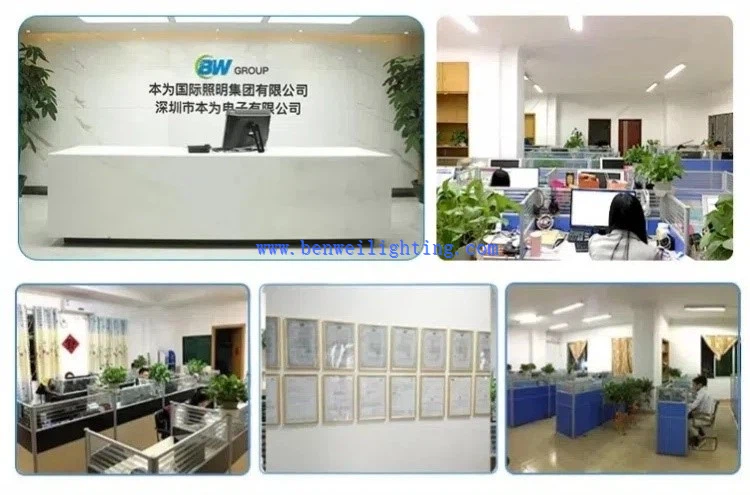
We are happy to have total control over the manufacturing process and the calibre of our products since we have our own facilities. Since we are producers rather than just brokers, we are dedicated to providing our customers with the best pricing. Since we are certain that the price and quality of our products are clear, we invite customers to see our samples first. Our commitment to quality and customer satisfaction drives us to continuously provide top-notch goods.
Our address
3rd Floor, 5th Building, Hebei Industrial Park, Hualian Community, Longhua District, Shenzhen, China





