

The Achilles' Heel of LED Technology: Thermal Degradation
To understand the necessity of a premium cooling frame, one must first understand the inherent vulnerabilities of light-emitting diodes. While LEDs are celebrated for their energy efficiency, they are highly sensitive to their operating environment.
The Physics of LED Heat Generation
Unlike traditional incandescent bulbs, which emit heat as infrared radiation (making them hot to the touch), LEDs generate heat through a process called Joule heating. When electrical current flows through the semiconductor junction, a significant portion of the energy is converted into heat rather than light. Because an LED chip is incredibly small (often a few square millimeters), this heat is generated in a highly concentrated area. If this thermal energy is not efficiently extracted, the junction temperature (Tj) skyrockets.
The Consequences of Poor Thermal Management
The failure to manage LED junction temperature has catastrophic consequences:
Lumen Depreciation: The most immediate effect is a rapid decline in light output.
Color Shift: As the phosphors coating the LED chip degrade at varying rates under heat stress, the color temperature (CCT) shifts, often resulting in a sickly yellow or green hue.
Reduced CRI: The ability to render true colors diminishes significantly as the phosphors degrade.
Premature Failure: Extreme heat can cause the delicate wire bonds within the LED package to fracture, leading to total fixture failure.
Defining "Light-Declining" (Lumen Maintenance)
Light-declining, technically known as lumen maintenance or lumen depreciation, is the gradual reduction of a light source's output over time. It is expressed as a percentage of the initial lumens (e.g., L70 means the fixture retains 70% of its initial brightness). Standard, poorly engineered LED panels often experience severe light-declining within the first 10,000 hours. The 30mm ultra-thin panel light, however, is explicitly engineered for low light-declining, ensuring sustained, high-level brightness for tens of thousands of hours.
The Aluminum Cooling Frame: The Thermal Backbone
The central solution to thermal degradation is the aluminum cooling frame. In the exploded architectural view of this premium panel light, the frame is revealed not as a mere cosmetic border, but as the structural and thermal foundation of the entire fixture.
Material Science: Why Aluminum?
Aluminum is selected for the cooling frame due to its exceptional physical properties. It possesses a high thermal conductivity (approximately 205 W/m·K), allowing it to rapidly absorb and transfer heat away from the LED light source. Furthermore, aluminum is lightweight, highly resistant to corrosion, and possesses excellent structural rigidity. Unlike plastic housings, which act as thermal insulators and trap heat, the aluminum frame acts as a dynamic heat sink.
Structural Integration: The 30mm Engineering Marvel
Achieving an ultra-thin profile (30mm) while maintaining an effective heat sink is a complex engineering challenge. Every millimeter counts. The aluminum frame in this fixture is designed with optimized geometric contours. The surface area of the frame is maximized without increasing the depth, allowing for maximum convective heat transfer to the ambient air. The tight integration of the frame with the metal back cover ensures that the entire rear surface of the panel acts as a secondary heat dissipation zone.
The Multi-Layered Heat Dissipation Pathway
The thermal management system is not limited to the frame alone; it is a comprehensive pathway. As seen in the exploded layer view, the heat is managed through a synergistic design:
The LED chips are mounted directly to a highly conductive PCB (Printed Circuit Board).
The PCB is tightly bonded to the aluminum frame.
The heat travels through the frame, dissipating into the air.
The metal back cover provides an additional thermal buffer, preventing heat from accumulating within the delicate optical layers (such as the light guide plate and diffusion board), which could warp or yellow over time.
Achieving Low Light-Declining: Sustained Brilliance
The ultimate proof of the aluminum frame's efficacy is the fixture's performance over time. Low light-declining is not just a claim; it is a measurable outcome of superior engineering.
Premium LED Chips and Driver Synergy
A heat sink is only as good as the components it protects. This panel utilizes premium-grade LED chips known for their high luminous efficacy and thermal stability. Furthermore, the integration of a high-quality, constant-current driver (visible in the rear structural image) ensures that the LED chips receive stable power without fluctuations. This prevents overdriving, which is a primary cause of rapid heat generation and premature decay.
Maintaining Color Consistency (High CRI Over Time)
Initial High CRI is a standard feature of many panels; maintaining it is a rarity. Because the aluminum frame keeps the operating temperature exceptionally low and stable, the phosphors on the LED chips do not experience accelerated degradation. Therefore, the High Ra (>80 or >90) color rendering performance remains consistent. In environments like retail stores or art galleries, this means the merchandise or artwork will look just as vibrant in year five as it did on the day of installation.
The Economic Impact: ROI and Maintenance Costs
For commercial procurement managers, contractors, and facility managers, low light-declining translates directly to a superior Return on Investment (ROI). A standard panel might need to be replaced every 2-3 years due to severe lumen depreciation. A fixture engineered with an aluminum cooling frame and low light-declining technology can operate reliably for 50,000 hours or more. This eliminates the substantial labor costs associated with accessing high ceilings, purchasing replacement fixtures, and disposing of electronic waste.
Beyond Longevity: Synergistic Advantages of a Robust Build
The engineering required to achieve this longevity yields a cascade of secondary benefits that enhance the overall quality and utility of the panel light.
Structural Rigidity and the Metal Back Cover
As dimensions increase (particularly in the 1195x295mm rectangular model), the risk of the panel sagging or warping due to its own weight and ambient heat is significant. The robust metal back cover, integrated with the aluminum frame, provides exceptional structural rigidity. This ensures the panel remains perfectly flat, preventing the "wavy ceiling" effect and ensuring a seamless, professional installation.
Preserving Optical Uniformity (Circular Lenses & 180° Beam)
The thermal stability of the panel protects its internal optical geometry. The circular lenses positioned over the LED chips, and the precise micro-structures of the Light Guide Plate (LGP), are highly sensitive to heat distortion. By maintaining a cool internal environment, the optical stack is perfectly preserved. The result is a sustained 180° beam angle and high luminance uniformity, ensuring the complete elimination of dark spots throughout the fixture's entire lifespan.
Versatile Installation without Compromise
Despite its robust aluminum construction and multi-layered heat dissipation system, the panel maintains a remarkably sleek 30mm profile. This allows for effortless integration into standard drop ceilings (595x595mm and 1195x295mm standard sizes). Alternatively, utilizing the heavy-duty adjustable wire suspension kit, the fixture can be suspended with absolute confidence, knowing that the heavy metal back cover and frame will not compromise the safety or aesthetics of the installation.
Seamless Adaptability: CCT Adjustability
The stability provided by the thermal architecture also allows for advanced features like the DIP-switch CCT adjustability (3000K/4000K/5000K). Because the heat is managed optimally, the different LED channels (warm and cool) can operate at peak efficiency without interfering with each other thermally, ensuring that the selected color temperature is rendered accurately and consistently.
Conclusion: The Rational Choice for Long-Term Investment
In an era of planned obsolescence, the 30mm ultra-thin LED panel light stands as a testament to enduring engineering. The decision to utilize a heavy-duty aluminum cooling frame, paired with premium LED chips and a meticulously designed multi-layer structure, directly results in a fixture that defies the industry norm of rapid light-declining.
For the architect and designer, it offers the assurance that the lighting design will remain visually consistent for years. For the homeowner, it represents a safe, maintenance-free investment in their living space. For the commercial buyer, it is a strategic financial decision that dramatically lowers operational and maintenance costs.
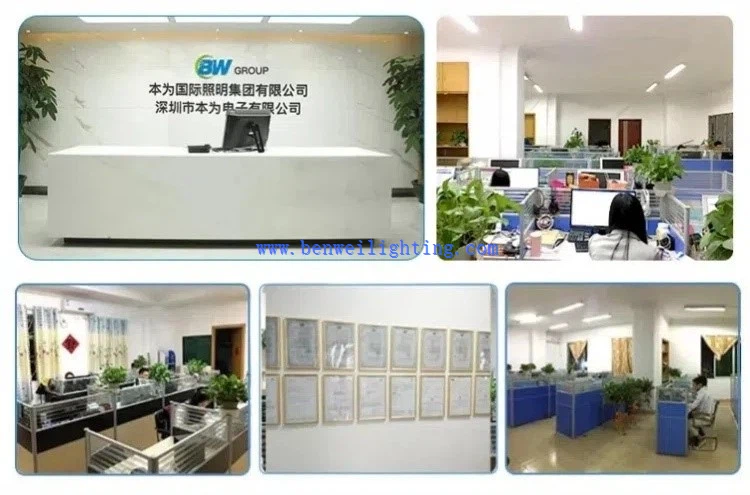
How To Cooperate With Us?
We are happy to have total control over the manufacturing process and the calibre of our products since we have our own facilities. Since we are producers rather than just brokers, we are dedicated to providing our customers with the best pricing. Since we are certain that the price and quality of our products are clear, we invite customers to see our samples first. Our commitment to quality and customer satisfaction drives us to continuously provide top-notch goods.
Our address
3rd Floor, 5th Building, Hebei Industrial Park, Hualian Community, Longhua District, Shenzhen, China





