

I don't know about you, but the children and I are feeling the long winter month in January. Despite the several days of rime ice and the stunning weather, January seems to be going on forever. Rime ice is created when very chilled water droplets freeze on the trees. We feel as if we are inside a snow globe because everything is so beautiful.
The greatest egg-laying performance is achieved when chickens are exposed to light for around 15 hours. A significant role in egg production is light. In order for our flocks to continue to produce eggs during our significantly shorter winter days, we must provide additional light. We have lights inside our coop since there aren't any windows. Our hens need light to see in order to feed, scratch, play, and lay eggs throughout the winter. We light our coop since they are essentially "cooped up" as a result of our heavy snowfall.
The ceiling lights are in constant use. We don't have them on too much during the hotter summer months however. The majority of the leisurely summer days are spent outdoors in the hens' spacious run.
We used to run an extension cable to provide a little more light during the winter months when we had our smaller coop since it lacked power and wasn't as sturdy as our present coop. This served as a lighting aid and a deterrent to predators. Chickens have almost no night vision. So they are unable to defend themselves if it is dark.
Our lights are currently set on a timer. During the winter, there are around 12 hours of daylight for the hens. Winter causes a significant decrease in our egg production, but I don't mind the hens taking a "vacation." In order for chickens to receive enough sleep, dark periods are also necessary. My hens instinctively know when to go to bed in the summer, which is why I like them so much. Around twilight, they carefully make their way inside the coop, grab one more beverage or food, and then leap upon their perch. In warmer regions, I imagine it's that that all year round. You would then have to determine whether or not you really needed any light.
If we didn't provide some more light to their coop, my hens would be very unhappy and, quite simply, unwell. It really depends on our setup as well. Here in Minnesota, I know a lot of folks who grow chickens in their backyards without any lights. We utilize it since our setup is somewhat closed-off (we just have two windows). On warmer days, I like throwing open the large doors to bring in more natural light and air. Even the hens like it!
Quickly, I'd like to talk about heat lights. We only ever use a heat lamp when our heat panels are unable to maintain a warm enough brooder. We only sometimes use them since I am aware that they have caused several coop fires. Please inspect the cables and connectors before using them, and try to keep them as dust-free as you can. The winter is a great time for fully feathered chickens! They can keep themselves fairly warm since they have a built-in winter coat.
I'll give the females a moment to relax. My egg basket will be more filled as the days get longer. And full egg baskets are a godsend, as we all know given the present pricing! Remember to extend your hens' light to between 12 and 16 hours every day if you want them to lay all year long. There are many opinions on this, but in the end, you must consider what is best for your flock and family.


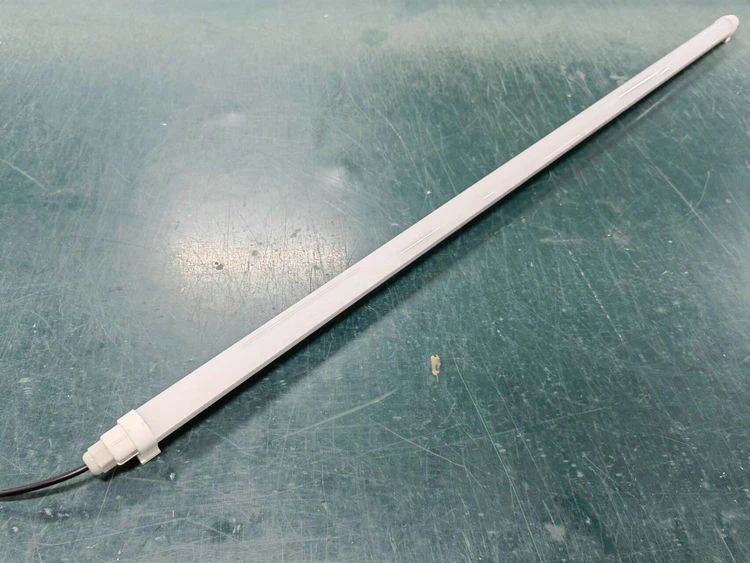

Benwei chicken coop lighting for egg production
|
Power |
Dimension(MM) |
LED Quantity(PCS) |
|
9W |
600*26mm |
Epistar 2835/48PCS |
|
13W |
900*26mm |
Epistar 2835/72PCS |
|
18W |
1200*26mm |
Epistar 2835/96PCS |
|
24W |
1500*26mm |
Epistar 2835/120PCS |
|
36W |
2400*26mm |
Epistar 2835/384PCS |





