

A light-sensing organ is developing in the brains of chickens. The brain stimulates the gonads when this layer is exposed to light, increasing the gonadal hormone secretion. This hormone encourages the formation of eggshells, the growth of oocysts, and the metabolism of calcium. In this situation, the laying date will be advanced and the laying rate raised. Additionally, light can encourage the synthesis of estrogen and hasten the sexual maturation of chickens.
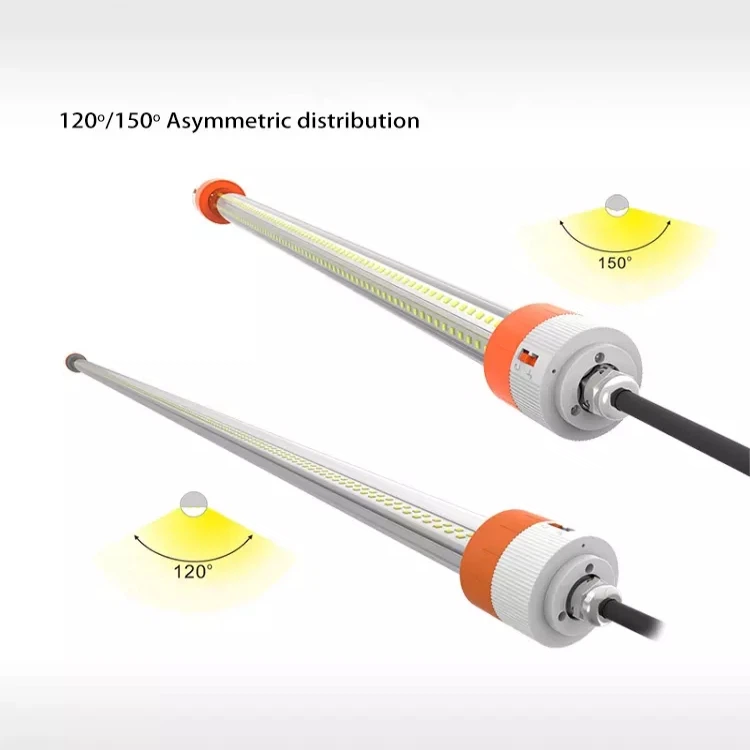
The speed at which laying hens reach sexual maturity is correlated with the length of light time. The egg production rate will also decrease because the laying hens are not yet fully developed, the eggs have fewer nutrients, are light in weight, and have poor quality. The window of time when egg production peaks is getting smaller and smaller, so keeping light on for a long time during the growth period is not recommended. The growth layer can receive up to 8 hours of light each day, but not more than 11 hours. The laying hens will have a normal start-up period and won't mature early as a result. The daily light period cannot exceed 17 hours once the laying cycle is over. The light time cannot be arbitrarily shortened once it has been established. Otherwise, laying hens will produce fewer eggs and, in extreme circumstances, they will perish. Feed and water should be provided to laying hens in proportion to the length of daylight and should increase as the hens get bigger and start producing more eggs.
Seven different colors make up sunlight, and each has a unique impact on the layers. The egg output increased when the laying hens were exposed to red light, but the breeding season was also postponed. Laying hens' eating behaviors can be improved, feed consumption decreased, egg output decreased, and egg weight increased by exposing laying hens to yellow light. Blue light can speed up the weight gain of roosters and encourage early maturation in laying hens, but it will decrease their egg production. Laying hens can grow faster when exposed to green light, but their egg output and resistance to disease will suffer. However, regular white light enhances the layer's stress response, which has an impact on the layer's growth.
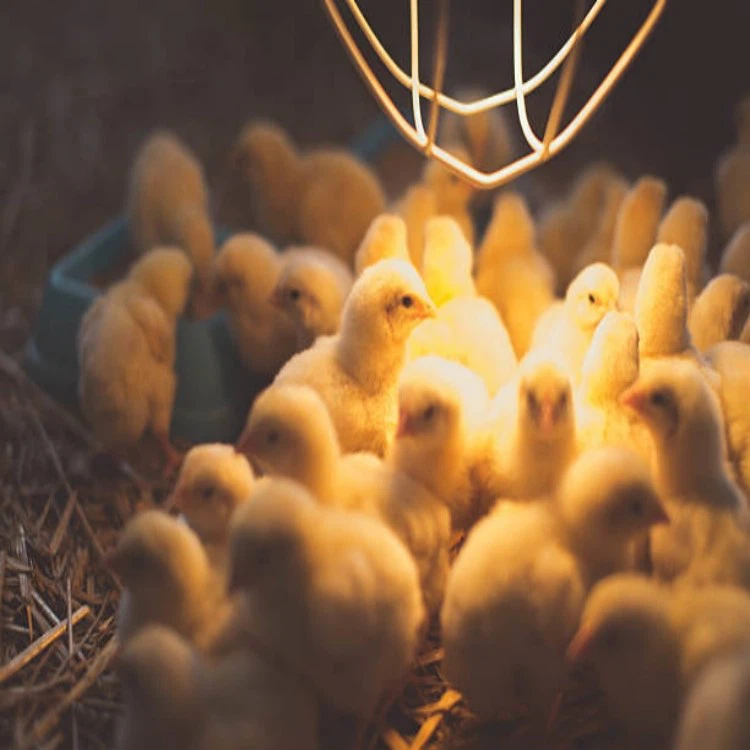
Through the information provided above, we can understand that any single color light will have an impact on one part of the function of laying hens. As a result, it is better to use warm white or warm yellow lighting in the chicken house when rearing chickens. The growth and egg-laying capacity of laying chickens are both significantly influenced by light intensity. Strong light changes, especially when raising chicks, will enhance the chicks' stress response, causing them to become agitated, and tense, and drastically decreasing their hunger. Additionally, there will be events like anal and feather picking, which have a negative impact on chicken reproduction. The diet of the chicken will be severely reduced when the light is too dim, which is also very detrimental to the chicken's growth. As a result, throughout the raising of chickens, the lighting level in the chicken house needs to be carefully managed.





