

When a light fixture lacks a shade and the bulb is left completely exposed, should you choose clear glass or frosted glass? It may seem like a simple decision, but choosing the wrong one can lead to issues-either the light becomes blindingly harsh the moment it's switched on, or the final result looks nothing like what you envisioned in your design. This article focuses on candle-style (C35/C37) filament bulbs, exploring how these two types of glass perform in open-style light fixtures.
Why open-style fixtures are more demanding when it comes to bulbs
In fixtures with shades, the bulb is "tucked away," so the type of glass matters very little. Open-style fixtures-such as bare-bulb pendants, the candle-arm branches of a crystal chandelier, or wall sconces with exposed sockets-are different; the bulb itself becomes a visual element, and it is very easy for the eye to land directly upon it.
Therefore, the choice involves two key factors: the aesthetic appeal of the bulb and the level of visual comfort for those in the room.
Clear glass: The filament as decoration
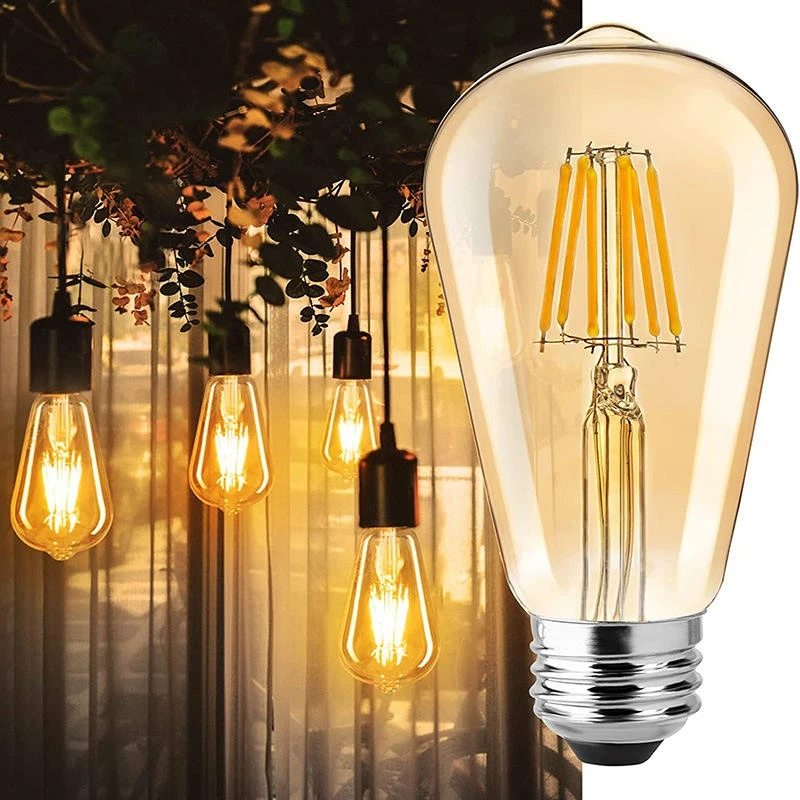
The defining feature of clear glass is that the filament remains visible. Thin, elongated filaments glowing with a warm, golden light inside the glass evoke a strong sense of nostalgia-which is precisely why filament bulbs have become so popular.
In open-style fixtures, the advantages are clear:
The filament design is distinctly visible, serving as a decorative element even when the light is off.
The fixture retains an airy, transparent quality, avoiding a "muddled" or cluttered appearance.
When paired with metal, black, or brass sockets, it creates a striking industrial or vintage aesthetic.
However, there is a trade-off-which we will discuss below.
Frosted glass: Softening the light
Frosted glass features a diffused finish on the inner surface, which blurs the outline of the filament. Instead of a sharp filament, you see a soft, warm glow-much like a small, luminous orb.
This option is better suited for spaces where a quiet, gentle atmosphere is desired, such as bedrooms, tearooms, or cozy corners in a café. The bulb itself doesn't steal the show, allowing the design of the fixture and the overall space to take center stage.
The difference in glare and visual comfort
This is where the two options differ the most. In a clear (transparent) light bulb, the light source is concentrated within a thin filament, resulting in a highly focused intensity. Looking directly at it-especially from eye level or below-can be noticeably dazzling. If a pendant light hangs low, near your line of sight, staring at it for even a short while can easily leave afterimages in your vision.
Frosted bulbs diffuse these intense points of light across the entire glass surface; while the total light output remains the same, the visual effect is far softer. If a fixture is installed at a lower height, or if people spend long periods in the space, a frosted bulb will be much more comfortable.
Differences in Brightness and Light Distribution
The frosted finish adds an extra layer of light scattering, which results in a slightly lower total luminous flux compared to clear bulbs. The exact difference depends on the specific frosting technique, but it is generally minor and often difficult to discern with the naked eye.
What matters more is the "character" of the light: clear bulbs provide a more direct light, casting sharper shadows and highlights on walls and surfaces, whereas frosted bulbs produce a more diffused light with softer-edged shadows. Choose clear bulbs if you want a layered effect with distinct contrasts between light and dark; choose frosted bulbs if you prefer a more uniform, even illumination throughout the space.
Choosing Based on Installation Context
Based on our experience with various projects, here are some general guidelines:
Pendant lights over dining tables or bars: Since the bulbs are often near eye level, frosted or semi-frosted options are recommended. If you prefer a strong vintage aesthetic, you could use clear bulbs, but they should be paired with a dimmer.
High-mounted pendant lights in living rooms or hallways: Because the bulbs are further away from your line of sight, the decorative appeal of clear bulbs can be fully showcased.
Multi-arm chandeliers or crystal-style candelabra fixtures: With a large number of bulbs, clear versions can look cluttered and harsh; frosted bulbs offer a cleaner, more refined appearance.
Wall lights near bathroom mirrors: Frosted bulbs are a better choice, as they provide soft light that avoids creating glaring reflections in the mirror.
Display-oriented lighting in commercial spaces: If the fixture itself is a key design feature, clear bulbs are better at highlighting its aesthetic details.
Compromise Solutions: Semi-Frosted and Tinted (Amber/Smoked) Glass
If you can't decide between the two, there are a couple of middle-ground options available on the market. One option is "semi-frosted" (partially frosted) glass, where only a portion of the bulb is treated to create a matte finish. This retains a subtle glimpse of the filament while softening the glare. Another option is amber-tinted glass, which casts a warmer light and makes the filament appear more understated-perfect for settings that call for a vintage aesthetic without the harsh, blinding brightness.
Both types are highly popular for open-style light fixtures. If your clients are having trouble deciding, it's a good idea to keep one of these on hand as an alternative.
Summary
To sum it up:
For a vintage look that highlights the filament design-especially in fixtures mounted at a higher elevation-choose clear glass.
For a softer, glare-free effect-ideal when bulbs are positioned near eye level or used in large numbers-choose frosted glass.
For a balance between the two, consider semi-frosted or amber-tinted glass.
When purchasing in bulk, pay close attention to the consistency of the craftsmanship, especially with clear-glass models.
There is no single "best" choice-only the one that best suits your specific fixtures and space.
Need help selecting the right bulbs for your project?
If you are choosing candle-style filament bulbs for open fixtures and aren't sure which type of glass is the best fit, please feel free to reach out to us. Simply let us know the type of fixture, the installation height, and the intended setting; we can recommend the ideal model or provide samples for you to compare firsthand. Whether you need custom color temperatures, specific base types (such as E12 or E14), or a bulk quote, please send us an inquiry-we will get back to you promptly.
Our address
No. 5-3 Niujiao Road, Yanchuan Community, Yanluo Subdistrict, Bao'an District, Shenzhen
bwzm18@ledbenweilighting.com






