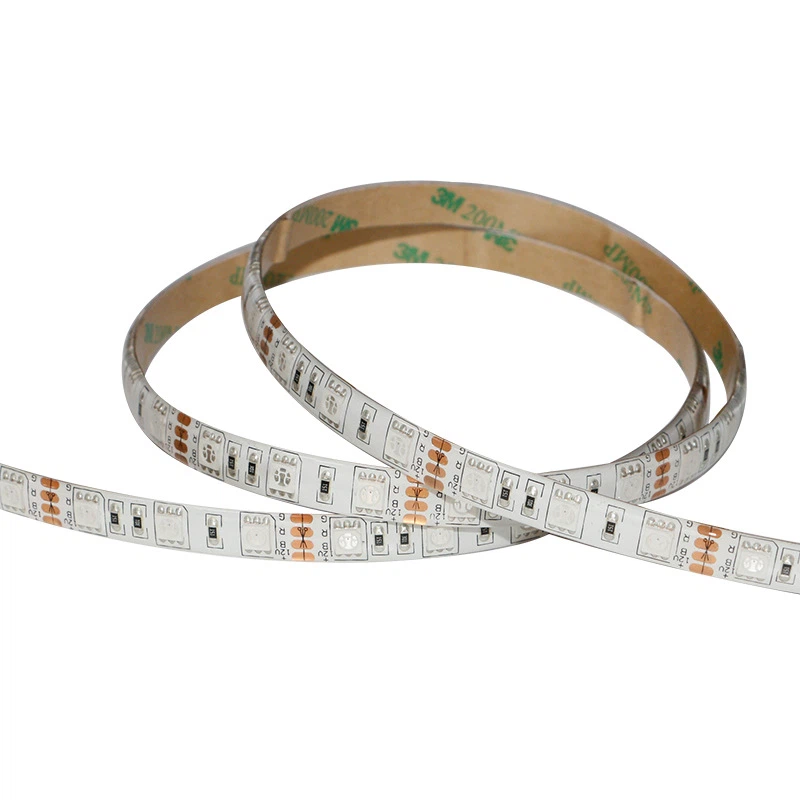
LED strip lights have become mainstream decorative and functional lighting products in modern home decoration, commercial display and outdoor lighting scenarios. They are becoming increasingly popular due to their outstanding versatility, flexible installation and low energy consumption. Many users and project buyers often have a common doubt during selection and installation: whether LED strip lights need to be plugged in or not, and what power supply methods are available for different usage scenarios. This article will give a detailed and professional answer to this question.
Do LED Strip Lights Require Plug-In Power Supply?
The short answer to this question is yes, LED strip lights do need to be plugged in. As low-voltage lighting fixtures, LED strip lights cannot work without a stable power supply. However, there are different ways to plug them in depending on the type of LED strip lights that you have, covering wired plug-in, hardwired, battery and solar power supply modes to adapt to diverse installation environments.
Plug-In LED Strip Lights
If you have a plug-in LED strip light, then you simply need to plug it into a power outlet. These plug-and-play LED strip lights come with a matched standard power plug that can be directly connected to a wall socket or an extension cord. This type of strip light features tool-free installation, simple operation and strong replaceability, which is very suitable for household DIY decoration, temporary lighting and novice users.
Hardwired LED Strip Lights
On the other hand, if you have a hardwired LED strip light, then you need to connect it directly to your home's electrical wiring. This requires a bit more installation work, as you will need to connect the LED strip light to the electrical wiring using matched wires and professional electrical connectors. Hardwired strip lights support hidden installation, no exposed wires, more beautiful and safer, and are widely used in formal indoor decoration, engineering projects and fixed scene lighting.
Battery & Solar-Powered LED Strip Lights
Another flexible option for powering LED strip lights is through battery or solar power. Battery-operated LED strip lights are perfect for outdoor activities, camping trips, temporary scene layout and areas where there may be no access to electrical outlets, featuring portable and wireless advantages. Solar-powered LED strip lights are a great eco-friendly option for those who want to reduce their energy consumption and have a more sustainable, energy-saving lighting solution, ideal for courtyard, garden and long-term outdoor lighting.
Key Safety Guidelines for Powering LED Strip Lights
It is important to note that regardless of how you power your LED strip lights, you should always make sure to follow the manufacturer's instructions and safety guidelines. This includes ensuring that your LED strip lights are rated for the correct voltage and current, matching the supporting power adapter, and that they are properly grounded to avoid electrical hazards such as short circuits and electric leakage, ensuring long-term stable and safe operation.
Conclusion
In conclusion, LED strip lights do need to be plugged in, but there are different flexible power supply ways to do so depending on the type of LED strip lights that you have. Whether you opt for a plug-in, hardwired, battery-operated, or solar-powered LED strip light, always prioritize safety and follow the manufacturer's guidelines for installation and operation. If you need high-quality, safe and durable LED strip lights with multiple power supply modes, or want customized lighting solutions for your projects, feel free to contact us for free product consultation, detailed specifications and competitive wholesale quotations.