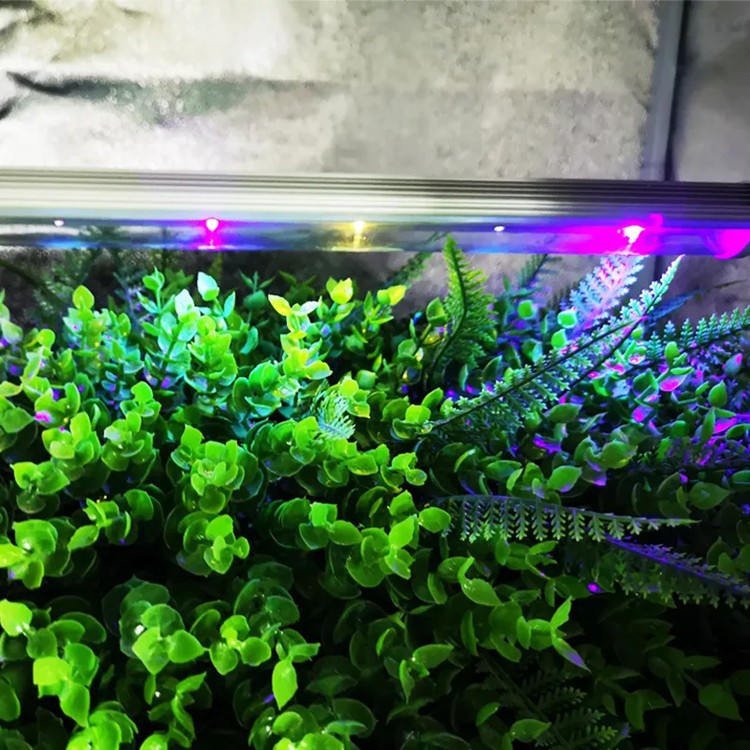
In recent years, indoor and greenhouse gardening has gained unprecedented popularity among gardening enthusiasts, urban dwellers, and commercial growers alike. As more people seek to cultivate plants in spaces with limited natural light-whether it's a small indoor herb garden, a home greenhouse, or a large-scale commercial growing operation-the demand for effective artificial lighting solutions has soared. Among all artificial lighting options, LED (Light-Emitting Diode) lights have emerged as the game-changer for plant growth, thanks to their unique ability to tailor light spectrums to meet plants' specific needs. While traditional lighting systems like HID (High-Intensity Discharge) or HPS (High-Pressure Sodium) lights have long been used for indoor gardening, they often fall short in efficiency, heat output, and spectrum customization. Numerous scientific investigations have delved into the effects of LED illumination on plant growth, and the findings are clear: LED lights not only support healthier, faster plant growth but also offer practical benefits for both hobbyists and commercial growers. This article will break down the key impacts of LED lighting on plant growth, supplement practical insights for different gardening scenarios, provide a comprehensive summary, and guide you through the inquiry process if you're looking to invest in high-quality LED grow lights.
Customizable Narrow-Band Spectrum for Optimal Photosynthesis
One of the most distinctive advantages of LED lighting technology for plant growth is its ability to generate high-intensity light within a narrow band spectrum, which can be precisely tailored to meet the specific needs of different plants and growth stages. Unlike traditional lighting systems that emit a broad, unfocused spectrum-much of which is not useful for photosynthesis-LED grow lights can be calibrated to deliver only the wavelengths that plants need most. Numerous scientific studies have confirmed that this narrow-band spectrum significantly enhances the photosynthesis process: by focusing on the wavelengths that drive plant growth, LED lights ensure that nearly all the light energy is absorbed and converted into chemical energy, rather than being wasted. This targeted approach results in stronger photosynthetic activity, which directly translates to enhanced plant growth, more abundant flowering, and higher-quality fruiting-making LED lights ideal for both hobbyist and commercial gardening applications.
Low Heat Output: A Safer, More Efficient Choice
LED lights are an optimal option for indoor and greenhouse gardening, primarily due to their significantly lower heat output compared to conventional HID or HPS lighting systems. Traditional grow lights generate large amounts of heat, which can be problematic: excessive heat can damage plant leaves, dry out soil, and require additional ventilation or cooling systems to maintain a stable growing environment-adding to both cost and complexity. In contrast, LED grow lights operate at much lower temperatures, converting most of the electrical energy into light rather than heat. This not only eliminates the risk of heat stress for plants but also reduces the need for expensive cooling equipment. For indoor gardeners with limited space, this low heat output also means LED lights can be placed closer to plants without causing damage, ensuring maximum light absorption and more efficient growth.
Blue & Red Light: The Critical Wavelengths for Plant Growth
When plants absorb light energy through photosynthesis, they primarily respond to two specific wavelengths: blue and red light. These two spectrums play distinct, irreplaceable roles in plant development, and LED lights excel at delivering both in precise, customizable amounts. Red light (typically in the 620–750 nm range) is responsible for regulating the plant's overall size and growth, influencing stem elongation, leaf expansion, and the development of flowers and fruits. Blue light (400–500 nm), on the other hand, stimulates the production of chlorophyll-the green pigment that enables photosynthesis-while also promoting compact, sturdy growth. Unlike traditional lights that may lack sufficient blue or red light, LED grow lights can be calibrated to emit these critical wavelengths at specific intensities, ensuring that plants receive exactly what they need to thrive at every growth stage, from seedling to harvest.
Balancing Blue & Red Light for Comprehensive Plant Development
While blue and red light each play unique roles in plant growth, achieving the right balance between these two spectrums is essential to stimulate both root and shoot development, resulting in healthy, well-rounded plants. Blue light primarily influences root growth and development, helping seedlings establish strong root systems that can absorb water and nutrients efficiently. Red light, meanwhile, tends to promote stem and leaf growth, encouraging plants to grow taller and fuller. The ideal balance of blue and red light varies depending on the type of plant and its growth stage: for example, leafy greens like lettuce and spinach require more blue light to maintain compact growth, while flowering plants like tomatoes and roses need more red light to promote blooming and fruiting. LED grow lights allow growers to adjust this balance easily, ensuring that each plant type receives the optimal light combination for maximum health and productivity.
Accelerated Growth Cycles & Increased Yields
In commercial greenhouses and large-scale growing operations, the ability to accelerate growth cycles and increase yields is a key priority-and LED illumination has proven to deliver on both fronts. Studies consistently show that LED lights can speed up the growth cycle of specific plants by 30–50% compared to conventional illumination. This is because LED lights emit the precise light spectrums that plants need for optimal photosynthesis and growth, eliminating wasted energy and ensuring that plants grow faster and more efficiently. For commercial growers, this accelerated growth means more frequent harvests, increased overall yields, and higher profitability. Even for hobbyist gardeners, faster growth means enjoying mature plants, fresh herbs, or vibrant flowers in less time-making LED grow lights a highly practical choice for anyone looking to maximize their gardening results.
Energy Efficiency: Reducing Operational Costs
Beyond their benefits for plant growth, LED grow lights also offer significant energy savings compared to traditional lighting systems. LED lights consume far less electricity: on average, they use 50–70% less energy than HID or HPS lights while delivering the same or better light output. This energy efficiency translates to lower monthly electricity bills- a critical advantage for commercial growers who operate lights for 12–18 hours per day, as well as for hobbyists looking to keep their gardening costs in check. Additionally, LED lights have a longer lifespan (often 50,000 hours or more), reducing the need for frequent replacements and further lowering long-term operational costs. For anyone looking to establish a sustainable, cost-effective indoor or greenhouse garden, LED lighting's energy efficiency makes it an indispensable choice.
Summary
LED lighting technology has revolutionized indoor and greenhouse gardening by addressing the core needs of plant growth while offering practical benefits for growers of all scales. Its customizable narrow-band spectrum enhances photosynthesis, ensuring healthier, more vigorous plant growth, flowering, and fruiting. The low heat output eliminates heat stress and reduces cooling costs, making it safe and efficient for close-range use. By delivering the critical blue and red wavelengths in adjustable balances, LED lights support comprehensive plant development-from strong root systems to lush foliage and abundant yields. Furthermore, LED grow lights accelerate growth cycles by 30–50%, increase productivity, and reduce energy costs significantly compared to traditional lighting. In summary, whether you're a hobbyist starting a small indoor garden or a commercial grower looking to optimize yields, LED illumination is the most reliable, efficient, and effective choice for promoting faster, healthier, and more efficient plant growth.
If you're considering setting up an indoor or greenhouse garden and want to leverage the benefits of LED lighting for optimal plant growth, we're here to help. Whether you need LED grow lights for a small home herb garden, a backyard greenhouse, or a large commercial operation, our team of industry experts can provide personalized recommendations tailored to your specific plant types, growth goals, and budget. We offer high-quality LED grow lights with customizable spectrums, low heat output, and energy-efficient performance-designed to help your plants thrive. If you have questions about product specifications, spectrum adjustment, installation guidance, or bulk ordering, our team is ready to assist you every step of the way. Contact us today to start your inquiry and get a free, customized quote that meets your unique gardening needs!