

Germicidal lamps, also known as UV-C lamps, have become increasingly popular in recent years as a means of eliminating harmful germs and bacteria from surfaces and air. However, there has been a growing concern regarding the potential harmful effects of UV radiation on human health. In modern daily life, public health and household hygiene have attracted unprecedented attention, especially in environments such as homes, hospitals, schools, offices and commercial spaces that require long-term sanitation maintenance. Traditional cleaning and disinfection methods such as manual wiping, chemical disinfectant spraying can only remove part of surface bacteria, and have limitations such as dead cleaning angles, residual chemical ingredients and short disinfection duration. As an efficient, convenient and environmentally friendly physical disinfection tool, germicidal UV-C lamps can achieve all-round sterilization of air, ground and object surfaces without chemical residues, so they are widely promoted and applied in various hygiene scenarios. While enjoying the efficient disinfection brought by germicidal lamps, more and more users begin to pay attention to their safety attributes. Many people are confused about whether the ultraviolet rays emitted by germicidal lamps will cause damage to the human body, and what potential health risks exist in daily use. It is crucial for every user to clarify the radiation characteristics, harm principles and standardized use specifications of germicidal lamps, so as to realize safe use while exerting the sterilization effect.
UV radiation is a type of energy that is produced by the sun and is also emitted by germicidal lamps. There are three types of UV radiation: UV-A, UV-B, and UV-C. UV-C radiation has the shortest wavelength and is the most likely to cause harm to humans and other organisms. It is also the type of UV radiation that is used in germicidal lamps to disinfect surfaces and air. Ultraviolet radiation is a kind of invisible electromagnetic wave energy existing in nature. The sun is the largest natural ultraviolet radiation source on the earth, and artificial equipment such as germicidal lamps can also produce targeted ultraviolet radiation through photoelectric conversion technology. According to the difference of wavelength and energy intensity in the industry, ultraviolet radiation is scientifically divided into three categories: UV-A, UV-B and UV-C, and the three types of ultraviolet rays have huge differences in penetration, activity and biological effects. UV-A has the longest wavelength and the weakest energy, which can penetrate the skin's superficial layer and is often associated with skin tanning and long-term aging; UV-B has medium wavelength and energy, which can burn the skin surface and cause sunburn and redness; UV-C radiation owned by germicidal lamps has the shortest wavelength, the highest energy and the strongest biological activity. This high-energy short-wave ultraviolet ray cannot only effectively destroy the molecular structure of microorganisms, but also strongly stimulate and damage human living cells, making it the most harmful ultraviolet band to humans and other organisms among the three types of UV rays. Precisely because of its strong ability to destroy biological structures, UV-C is specially selected as the core sterilization light source for germicidal lamps to complete high-efficiency disinfection work.
According to the World Health Organization, UV-C radiation has a germicidal effect that can destroy or inactivate viruses, bacteria, and other pathogens. However, the same UV-C radiation that kills harmful microorganisms can also harm human cells, particularly those in the skin and eyes. The World Health Organization has conducted in-depth professional research and authoritative verification on the sterilization principle and biological safety of UV-C germicidal radiation. The core sterilization mechanism of UV-C radiation is to irradiate the DNA and RNA genetic material of microorganisms such as viruses, bacteria, fungi and spores. High-energy short-wave ultraviolet rays can break the molecular chain of microbial genes, destroy their replication and proliferation ability, and completely inactivate various pathogens, so as to achieve the purpose of purifying air and cleaning surface hygiene. This efficient physical sterilization technology has no chemical pollution and wide sterilization coverage, and is recognized as a safe and efficient disinfection method in the public health field. But it is worth emphasizing that the biological destruction ability of UV-C radiation is non-selective. It can act on harmful microorganisms and also cause irreversible damage to human normal living cells. Among all human tissues and organs, the skin and eyes are the most vulnerable parts to UV-C radiation damage, because they are directly exposed to the external environment without effective protective barriers, and are extremely sensitive to high-energy short-wave ultraviolet rays.
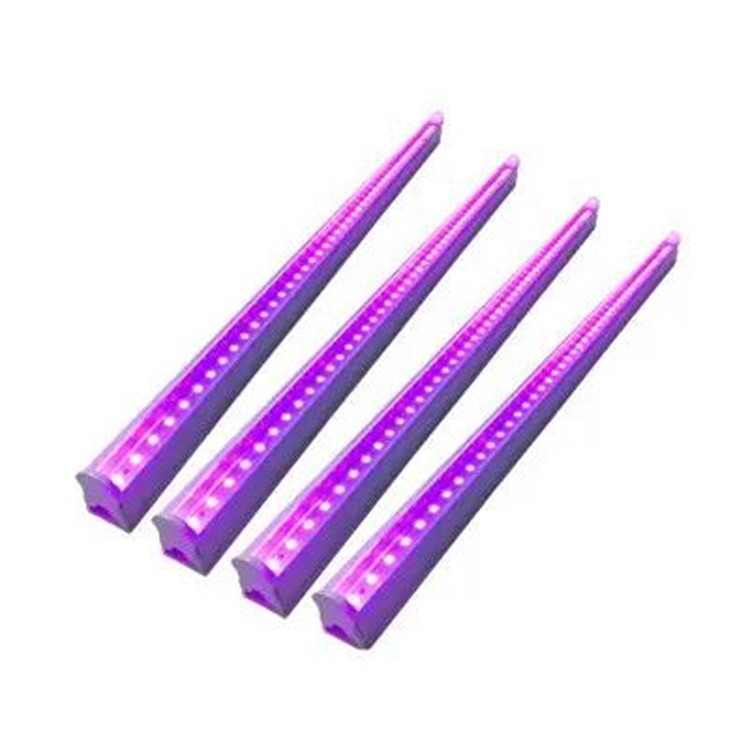
Exposure to UV-C radiation can cause skin damage, including sunburn, premature aging, and an increased risk of skin cancer. It can also cause damage to the eyes, including cataracts and other eye disorders. Long-term or accidental exposure to UV-C radiation will bring multi-level cumulative damage to human skin. In the short term, intense UV-C irradiation will directly burn the epidermal tissue, causing symptoms similar to severe sunburn such as skin redness, swelling, pain and peeling. In the long run, continuous UV-C radiation stimulation will destroy the collagen structure of the skin, accelerate skin water loss and tissue aging, resulting in increased wrinkles, loose skin and dull complexion. More seriously, long-term repeated exposure to UV-C radiation will damage skin cell genes, induce abnormal cell proliferation, and significantly increase the risk of various skin cancers. In terms of eye health, human eyes have no self-protection ability against UV-C rays. Direct irradiation of UV-C will damage corneal epithelial cells, cause acute keratitis, conjunctival congestion, photophobia, tearing and eye pain. Long-term cumulative exposure will gradually damage the lens tissue, induce the formation of cataracts, and even cause irreversible vision loss and other serious eye disorders in severe cases.
To avoid the harmful effects of UV-C radiation, it is important to take precautions when using germicidal lamps. Protective clothing and eyewear should be worn when operating germicidal lamps, and people should not be present in the room during operation. Germicidal lamps should also be used in well-ventilated areas to minimize the risk of exposure to UV-C radiation. Although UV-C radiation has obvious health risks, all hazards are avoidable through standardized operation and effective protective measures. In the daily use of germicidal lamps, safety protection must be taken as the primary principle. On the one hand, operators need to wear professional protective equipment, including long-sleeved protective clothing that covers the whole body and special anti-UV goggles, to avoid direct irradiation of skin and eyes by UV-C rays during equipment operation. On the other hand, the most core safety rule is that no people, pets and plants should stay in the disinfection room during the working process of germicidal lamps, so as to completely isolate the risk of direct radiation exposure. In addition, professional germicidal lamp disinfection will produce a small amount of ozone while working. Although low-concentration ozone helps sterilization, excessive inhalation will irritate the respiratory tract. Therefore, the germicidal lamps must be used in well-ventilated spaces. Timely ventilation after disinfection can disperse residual ozone and further reduce potential health risks caused by indirect exposure.
It is important to note that germicidal lamps should only be used for their intended purpose and according to manufacturer instructions. Overuse or misuse of germicidal lamps can increase the risk of exposure to harmful UV radiation and other potential hazards. Like all professional disinfection equipment, germicidal lamps have fixed applicable scenarios, rated working time and standardized operation specifications formulated by manufacturers. Each parameter and requirement in the product manual is summarized based on professional experiments and safety verification, which is the key guarantee for safe and efficient use of the equipment. Many users have misunderstandings in use, thinking that the longer the germicidal lamp works and the more frequent it is used, the better the sterilization effect. In fact, overuse and random misuse will not improve the disinfection effect, but will greatly increase the risk of UV radiation exposure. Long-term excessive irradiation will lead to excessive accumulation of UV radiation in the space, and the continuous concentration of ozone will exceed the safe standard, which will not only stimulate human respiratory tract and skin, but also accelerate the aging of indoor furniture, articles and building materials. In addition, using germicidal lamps in inappropriate scenarios such as occupied rooms, crowded public areas and plant growth environments will also cause unnecessary radiation hazards and property losses.
In conclusion, germicidal lamps emit UV radiation that can be harmful to human health. However, when used properly and with appropriate precautions, germicidal lamps can effectively eliminate harmful microorganisms from surfaces and air. It is important to prioritize health and safety when using germicidal lamps and to take necessary precautions to avoid exposure to harmful UV radiation. To sum up, there is no doubt that germicidal lamps will emit harmful UV-C ultraviolet rays, which have strong biological toxicity and will cause different degrees of damage to human skin, eyes and respiratory system once exposed. But this inherent radiation hazard does not mean that germicidal lamps are dangerous and unusable. As a mature and efficient physical disinfection equipment, the advantages of germicidal lamps in killing viruses, bacteria and various pathogens and purifying indoor sanitary environment are irreplaceable. The core of safe use lies in standardized operation and strict protection. As long as users strictly abide by the manufacturer's operating specifications, avoid human exposure during equipment operation, do not overuse and misuse the equipment, and do a good job in ventilation and protection, they can completely avoid the harm of UV radiation. In daily household and public health disinfection work, we should always take health and safety as the premise, correctly understand the dual attributes of germicidal lamps' high-efficiency sterilization and radiation hazard, and maximize the use value of germicidal lamps while protecting personal health and safety.

How To Cooperate With Us?
We are happy that we have total control over the manufacturing process and the quality of our products since we have our own facilities. Since we are producers rather than just brokers, we are dedicated to providing our customers with the best pricing. Since we are certain that the price and quality of our products are transparent, we advise customers to examine our samples first. Our commitment to quality and customer satisfaction drives us to continuously provide top-notch goods.
Our address
3rd Floor, 5th Building, Hebei Industrial Park, Hualian Community, Longhua District, Shenzhen, China





