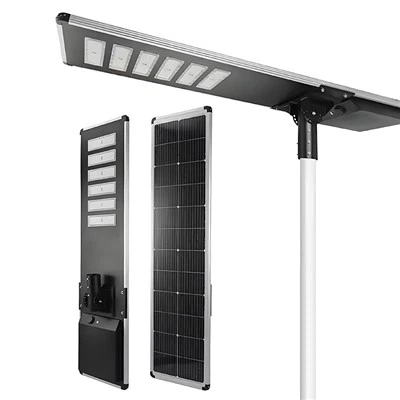
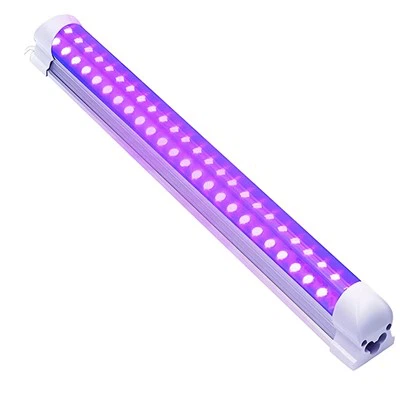
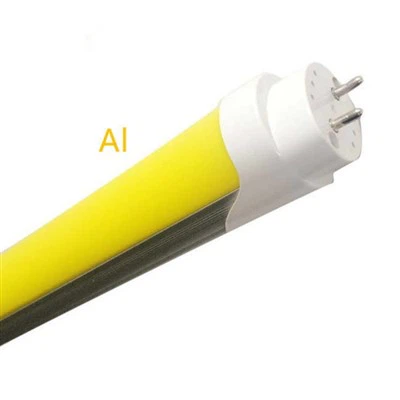
Germicidal lamps are known to be effective in killing microbes such as bacteria and viruses. While they are generally considered safe to use, especially in areas where sanitation is a concern, it is important to exercise caution when using them in rooms where people are present. In modern daily life and professional public environments, microbial pollution has always been a key factor affecting public health and personal safety. From invisible airborne bacteria and floating viruses to microbial residues on indoor surfaces, these tiny pathogens can easily trigger cross-infection, respiratory diseases and other health risks, especially in crowded, closed and poorly ventilated spaces. As a professional and efficient disinfection tool, germicidal lamps have been widely promoted and applied in household disinfection, commercial space sanitation, medical environment sterilization and other scenarios due to their excellent microbial inactivation ability. Unlike traditional disinfection methods such as alcohol wiping and spray disinfection that have dead corners and limited duration of effect, germicidal lamps can achieve comprehensive, no-dead-angle sterilization and disinfection for air, ground, wall surfaces and object surfaces in a fixed space, with high disinfection efficiency and simple operation process. However, many users have always had a confused and core question in the process of using them: whether germicidal lamps can be normally used when there are people in the room. Many people hold the misunderstanding that germicidal lamps are only responsible for killing bacteria and viruses and will not cause harm to the human body, so they ignore the safety specifications and use them with people present for a long time. In fact, although germicidal lamps bring great convenience for indoor sanitation and epidemic prevention, their special working principle also brings potential safety hazards to the human body. Therefore, it is necessary to fully understand the safety specifications, risk factors and standardized use standards of germicidal lamps with people in the room, so as to balance the disinfection effect and personal health safety.
The use of germicidal lamps in rooms where people are present should be done with proper care and attention to safety measures. The lamps emit ultraviolet (UV) radiation, which can cause skin irritation and damage. Direct exposure to the lamps can also result in eye damage, so it is recommended to avoid looking directly at the light. Germicidal lamps mainly rely on short-wave ultraviolet radiation, specifically UVC ultraviolet light, to realize the inactivation of microorganisms. This kind of high-energy ultraviolet radiation has a strong destructive effect on the DNA and RNA structure of bacteria, viruses, fungi and other microbes, which can quickly break the genetic structure of microorganisms, inhibit their reproduction and metabolic activity, and finally achieve the effect of sterilization and disinfection. But it is crucial to note that this high-energy ultraviolet radiation is not targeted at microorganisms only; it also has a strong destructive effect on human skin and eye tissues. Human skin and eyes are very sensitive to UVC ultraviolet rays which are invisible to the naked eye and cannot be blocked by ordinary glass and ordinary light-proof materials. When the human skin is exposed to germicidal lamp ultraviolet radiation for a short time, mild symptoms such as dry skin, redness, itching and slight peeling will appear, which is similar to the symptom of severe sunburn. If exposed for a long time or repeatedly, the ultraviolet rays will damage skin epidermal cells and dermal tissues, destroy skin collagen and elastic fibers, accelerate skin aging, and even induce pigmentation and abnormal skin cell metabolism in the long run. More seriously, direct eye exposure to germicidal lamp light is more harmful. The cornea and conjunctiva of human eyes are extremely fragile and have no self-protection ability against short-wave ultraviolet rays. Short-term direct gazing will cause ultraviolet keratitis and conjunctivitis, resulting in eye stinging, tearing, photophobia, blurred vision and other discomfort symptoms. In severe cases, it will cause corneal edema and damage vision temporarily, and long-term irregular exposure may even cause irreversible eye tissue damage. Even indirect reflected light and scattered light of germicidal lamps will cause cumulative damage to human skin and eyes, so in any scenario where people are present, the use of germicidal lamps must strictly abide by safety operation specifications, and never take chances for convenience.
Another factor to consider when using germicidal lamps in a room with people present is the potential for the formation of ozone. High-intensity UV lamps can produce ozone as a byproduct, which can cause respiratory problems in those sensitive to it. To mitigate this risk, it is important to use lamps with low ozone emissions and to ensure that the room is properly ventilated. In addition to the direct ultraviolet radiation damage to human skin and eyes, ozone pollution generated during the operation of high-intensity germicidal lamps is another major hidden danger affecting human health. Ozone is a strong oxidizing gas with a special pungent odor. In daily life, a small amount of ozone can purify the air, but the high-concentration ozone produced by germicidal lamps in a closed indoor space will far exceed the safe concentration standard of human contact. The principle of ozone generation by germicidal lamps is that high-energy short-wave ultraviolet rays irradiate oxygen molecules in the air, breaking the oxygen molecular structure and recombining it into ozone molecules. Especially for high-power, high-intensity traditional germicidal lamps, the ozone generation rate is fast and the concentration is high in a closed and unventilated room. For healthy adults, short-term inhalation of low-concentration ozone will cause mild throat itching, dry cough, chest tightness and other respiratory discomfort. For sensitive groups such as the elderly, children, pregnant women, people with asthma, bronchitis and other respiratory diseases, low-concentration ozone stimulation will induce acute respiratory discomfort, aggravate basic respiratory diseases, and cause symptoms such as difficulty breathing, continuous cough and chest pain. Long-term inhalation of high-concentration ozone will also damage the human respiratory mucosa and lung tissue, reduce human respiratory immunity, and even affect the cardiovascular system in severe cases. In order to effectively avoid ozone harm, the selection of germicidal lamps is very critical. At present, regular low-ozone and ozone-free germicidal lamps on the market can effectively reduce the generation of ozone by optimizing lamp tube materials and spectral technology, which is more suitable for indoor scenarios with people active. At the same time, ventilation work cannot be ignored. During the use of germicidal lamps and within 30 minutes after shutdown, we need to keep indoor doors, windows and ventilation equipment open to promote air circulation, discharge the tiny amount of ozone generated indoors to the outdoors, and reduce indoor ozone concentration to a safe range, so as to protect the respiratory health of indoor personnel.
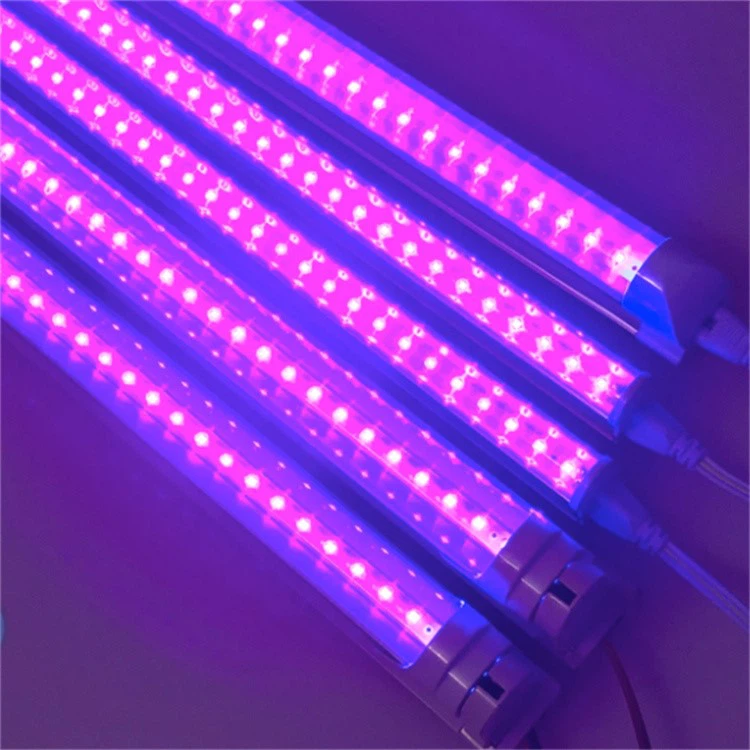
If the room in question is a hospital or healthcare facility, the use of germicidal lamps may be more appropriate as the risk of infection may be greater. However, it is important to take extra precautions to protect patients and staff from the harmful effects of UV radiation. Medical and health institutions including general hospitals, specialized hospitals, community health service centers, clinics and nursing homes are high-risk areas of microbial infection, with dense personnel, complex personnel mobility, numerous vulnerable groups and various types of pathogenic microorganisms. The indoor infection risk of medical environments is far higher than that of ordinary families and commercial spaces. Airborne viruses, drug-resistant bacteria, wound infection bacteria and other pathogens are easy to spread and cross-infect in medical rooms, wards, treatment rooms and corridors, which will seriously threaten the life and health of patients with low immunity and postoperative recovery groups. Therefore, germicidal lamps have become essential disinfection and epidemic prevention equipment in medical and health institutions, and are widely used for daily air disinfection and environmental sterilization in various functional areas. Nevertheless, the safety management of germicidal lamps in medical scenarios is far stricter than that in ordinary scenarios, because the indoor personnel of medical institutions include not only healthy medical staff, but also a large number of vulnerable groups such as critically ill patients, postoperative patients, elderly patients, pediatric patients and immunocompromised patients. These groups have poor physical resistance and weak tolerance to ultraviolet radiation and ozone, and are more vulnerable to adverse effects of germicidal lamps. For this reason, medical institutions need to formulate standardized and refined use management systems. For example, in the daily disinfection of wards, try to arrange the disinfection time during the empty window period when there are no patients and staff in the room; if it is necessary to start the germicidal lamp for supplementary disinfection when individual patients are temporarily present due to special epidemic prevention needs, it is necessary to equip medical staff with professional ultraviolet protective clothing, protective goggles and masks, and cover the exposed skin of patients with isolation protective covers to avoid any direct or indirect exposure. At the same time, medical and health institutions must uniformly select medical-grade low-ozone germicidal lamps, equip each disinfection room with special ventilation and air purification equipment, arrange special personnel to be responsible for the operation and supervision of germicidal lamps, and regularly detect indoor ultraviolet radiation intensity and ozone concentration to ensure that all safety indicators are within the medical safety standard range, so as to avoid secondary health damage to patients and staff while ensuring indoor disinfection quality.
In conclusion, the use of germicidal lamps in rooms where people are present should be done with care and attention to safety. If proper precautions are taken, such as using low-ozone lamps and ensuring proper ventilation, the risk of harm can be minimized. Ultimately, the decision to use germicidal lamps in a particular setting should be made on a case-by-case basis after considering the risks and benefits. Through the above comprehensive analysis of the working principle, harm factors, scenario differences and protective measures of germicidal lamps, we can clearly draw a targeted use conclusion. Germicidal lamps are not absolutely forbidden to use in rooms with people present, nor can they be used arbitrarily without restrictions. The core of safe use lies in standardized operation, strict risk control and adaptive scenario judgment. In all daily use scenarios, whether family living rooms, office spaces, shopping malls and other public places, or high-standard medical and health environments, as long as there are personnel activities, we must always take personal health and safety as the primary premise, and carry out germicidal lamp disinfection work on the basis of fully implementing safety protection measures. In actual operation, users need to form good use habits: first, prioritize high-quality low-ozone or ozone-free germicidal lamp products to reduce ozone respiratory hazards from the source; second, ensure good indoor ventilation conditions during and after use to accelerate air renewal and eliminate harmful gas accumulation; third, avoid any direct skin and eye exposure to ultraviolet radiation, and wear professional protective equipment when operation is necessary; fourth, formulate flexible use plans according to different application scenarios. For ordinary living and office spaces with low infection risk, try to complete centralized disinfection when the room is unoccupied; for medical and high-risk sanitation scenarios that require real-time disinfection with people present, strengthen full-process protection and real-time environmental monitoring. Every user should clearly recognize the dual attributes of germicidal lamps: efficient disinfection and potential safety hazards. We cannot deny its powerful epidemic prevention and sanitation value due to safety risks, nor can we ignore hidden dangers because of its convenient disinfection effect. Only by comprehensively weighing the actual infection risk and use safety of the space, formulating personalized use schemes according to specific scenarios, and strictly implementing all safety precautions, can we maximize the sterilization and disinfection effect of germicidal lamps, effectively avoid all possible health hazards, and realize the safe, standardized and efficient application of germicidal lamps in various indoor scenarios with personnel activities.

How To Cooperate With Us?
We are happy that we have total control over the manufacturing process and the quality of our products since we have our own facilities. Since we are producers rather than just brokers, we are dedicated to providing our customers with the best pricing. Since we are certain that the price and quality of our products are transparent, we advise customers to examine our samples first. Our commitment to quality and customer satisfaction drives us to continuously provide top-notch goods.
Our address
3rd Floor, 5th Building, Hebei Industrial Park, Hualian Community, Longhua District, Shenzhen, China