

Enhancing Airport Safety and Efficiency with Intelligent LED Floodlight Systems
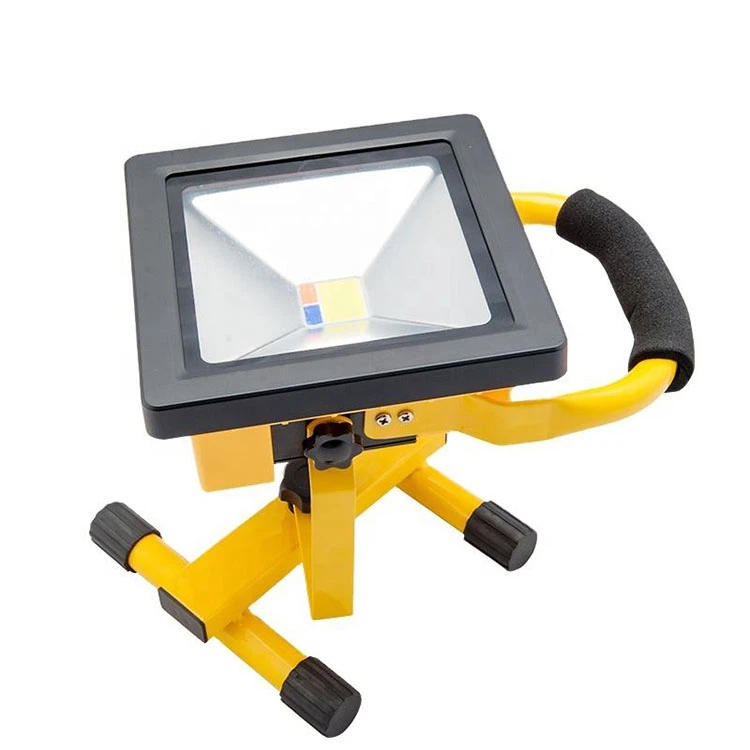
Introduction: The Critical Role of Apron Lighting in Modern Aviation
Airport apron operations are a complex ballet of ground vehicles, personnel, and aircraft, conducted around the clock and in all weather conditions. Safe and efficient ground handling is paramount, and high-quality illumination is a non-negotiable prerequisite. For decades, High-Intensity Discharge (HID) lamps, such as High-Pressure Sodium (HPS) fixtures, were the standard for airport apron flood lighting. However, these traditional systems are increasingly being recognized as inadequate for modern, "smart airport" goals that emphasize safety, sustainability, and intelligence. The research by Xing Zhe (2023) highlights significant shortcomings: high energy consumption, inefficient manual or simplistic timed control, poor diagnostic capabilities for faults, and an inability to dynamically adapt to varying operational needs. This paper explores how intelligent LED floodlight systems, integrated with advanced control strategies and fault diagnosis models, represent a transformative solution for airport apron lighting, directly addressing the core objectives of building safe, green, and smart aviation infrastructure.
What are the Core Technical Advantages of LED Floodlights in the Airport Environment?
The transition from HID to LED-based flood lighting is foundational to modernizing airport aprons. LED floodlights offer distinct technical and operational advantages that align perfectly with the demands of aviation environments. Primarily, they provide superior energy efficiency. Studies indicate that LED apron flood lighting systems can reduce power consumption by 54% to 76% while maintaining or even improving upon required illumination levels compared to traditional HPS lamps (Xing, 2023). This drastic reduction directly translates to lower operational costs and a smaller carbon footprint, supporting "green airport" initiatives.
Beyond efficiency, LED flood lights offer enhanced controllability and longevity. Unlike HID lamps, which have long warm-up and restrike times, LED floodlights can be instantaneously dimmed or switched on/off without performance degradation. This characteristic is crucial for implementing dynamic control strategies. Furthermore, LEDs have a significantly longer lifespan-often exceeding 50,000 hours-which reduces maintenance frequency, replacement costs, and the operational risks associated with frequent lamp failures on the apron. The directional nature of LED lighting also improves optical efficiency, allowing for more precise beam control to minimize light pollution (skyglow) and light trespass into adjacent areas, a growing concern for airports.
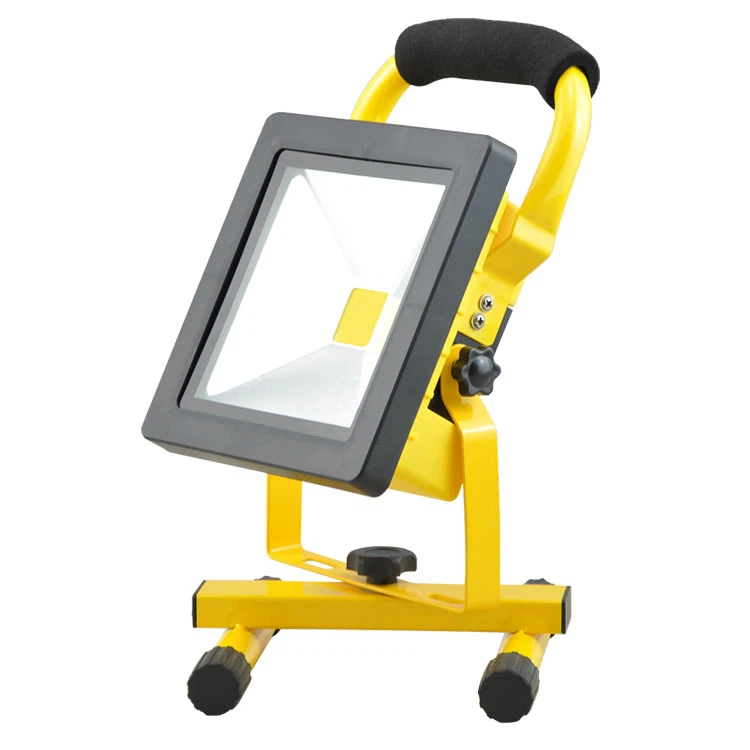
Table 1: Comparative Analysis: Traditional HID vs. Modern LED Apron Floodlights
|
Feature |
High-Pressure Sodium (HID) Floodlight |
Modern LED Floodlight |
|---|---|---|
|
Typical System Efficacy |
80-120 lm/W |
113-150+ lm/W |
|
Energy Savings Potential |
Baseline |
54% - 76% reduction |
|
Lifespan (L70) |
10,000 - 24,000 hours |
50,000 - 100,000 hours |
|
Instant On/Off & Dimming |
No (requires warm-up/cooldown) |
Yes |
|
Controllability |
Limited (basic on/off) |
High (granular dimming & zoning) |
|
Beam Control |
Less precise, more spill light |
Excellent, highly directional |
|
Maintenance Cycle |
Frequent |
Infrequent |
How to Achieve Optimal Illumination: Standards, Simulation, and Angulation
Merely installing LED floodlights is insufficient. Achieving optimal illumination that meets stringent safety standards requires careful design. International Civil Aviation Organization (ICAO) Annex 14 and national standards like China's MH/T 6108-2014 define key metrics for apron lighting: minimum horizontal illuminance (Eh), vertical illuminance (Ev), and horizontal uniformity (U) . However, as Xing's research argues, these general metrics may not suffice for (refined evaluation) of specific operational zones.
To address this, the study proposes six additional evaluation indicators for five critical apron working areas: Aircraft Guidance Line Front, Baggage Loading, Passenger Boarding Bridge Connection, Fuel Hydrant Refueling, and Aircraft Towing paths, plus a count of over-illuminated grids. Using professional lighting simulation software like DIALux evo, designers can model different LED flood light mounting heights and beam angles to find the optimal configuration. For instance, simulation for a 7-lamp LED high mast showed that adjusting the tilt (X-axis) and pan (Y-axis) angles of individual fixtures significantly impacts the illuminance distribution across these key zones. An optimal angle (e.g., 75° tilt / 30° pan for the primary fixture) was identified to maximize coverage in critical areas while minimizing over-lit zones that waste energy and can cause glare for workers and pilots. This simulation-led approach ensures the LED flood lighting system is designed for performance, not just compliance.
Table 2: Key Apron Lighting Standards and Proposed Refined Indicators
|
Indicator |
Symbol |
Typical Requirement (Major Int'l Airport) |
Purpose |
|---|---|---|---|
|
Horizontal Illuminance |
Eh, avg |
≥ 30 lux |
General ground visibility for personnel |
|
Vertical Illuminance |
Ev, avg |
≥ 30 lux |
Visibility of aircraft fuselage for pilots |
|
Horizontal Uniformity |
U (Emin/Eavg) |
≥ 0.25 |
To avoid dark spots and excessive contrast |
|
Baggage Area Illuminance |
Eh,BL |
Proposed Refined Indicator |
Safety for loading/unloading operations |
|
Aircraft Towing Path Illuminance |
Ev,AT |
Proposed Refined Indicator |
Safe movement of aircraft into/out of stand |
Implementing Intelligent Control Strategies for LED Floodlight Systems
The true potential of intelligent LED floodlight control is unlocked through sophisticated, layered control strategies that move beyond simple timers. An integrated system should combine several methods to balance reliability, efficiency, and responsiveness.
Scheduled Time-Based Control: The foundational layer, synchronized with astronomical clocks for accurate sunrise/sunset timing, automates basic on/off cycles, eliminating manual intervention for daily cycles.
Photocell (Luminance) Control: This layer adds responsiveness to environmental conditions. Multiple photometric sensors placed across the apron measure ambient light. If luminance falls below a set threshold (e.g., 30 lux) due to sudden fog, storms, or early dusk, the system overrides the schedule to activate lights, ensuring continuous safety.
Flight-Linked Dynamic Control: This is the core of energy-saving intelligence. By integrating with the Airport Operational Database (AODB), the smart LED floodlight system can illuminate stands based on real-time flight schedules. Research demonstrates "combination lighting" modes where subsets of floodlights on a mast are activated. For example:
Mode 1 (Full): All 7 LED floodlights on for active stand operations (30 mins before arrival until 60 mins after arrival/departure).
Mode 2 (Medium): 4-5 lights on for adjacent stands or pre-/post-flight periods, maintaining safe baseline illumination (~30 lux).
Mode 3 (Low): Only 2-3 lights on for stands with no scheduled activity overnight, providing minimal security lighting.
This strategy can drastically reduce energy use during low-traffic periods without compromising operational safety.
Emergency Manual Override: A vital failsafe, allowing personnel to take direct control in unforeseen circumstances or during system maintenance.
A master control logic prioritizes these strategies (e.g., manual override > flight-linked > photocell > scheduled) to resolve conflicts and ensure robust, fail-safe operation of the intelligent apron lighting control system.
How Can Predictive Fault Diagnosis Improve System Reliability?
A lighting system is only as good as its reliability. Traditional fault diagnosis in apron flood lighting is reactive-waiting for a lamp to fail and then dispatching maintenance crews for time-consuming troubleshooting. This poses a safety risk and is inefficient. Modern systems leverage the data-rich environment of intelligent LED floodlights, which are often equipped with controllers monitoring voltage, current, power, power factor, and internal temperature.
Advanced fault diagnosis models, such as the Deep Neural Network (DNN) optimized with an Improved Particle Swarm Optimization (PSO) algorithm proposed in the research, can analyze this real-time operational data. The model is trained on historical data to recognize patterns associated with common faults: integrated circuit failure, main power circuit issues, distribution box overheating, switchgear faults, and lamp drive short circuits. By continuously monitoring, the model can diagnose faults, often predictively, and alert maintenance teams to the specific issue and location before it leads to a complete blackout. Furthermore, incorporating external environmental data (e.g., temperature, humidity) into the model was shown to improve diagnostic accuracy, as some faults are environmentally correlated. This shift from reactive to predictive maintenance enhances safety, reduces downtime, and optimizes maintenance resources.
Industry Common Challenges and Intelligent LED-Based Solutions
Challenge 1: High Energy Consumption and Cost. Traditional HID systems, often running all night at full power, are massive energy drains.
Solution: The high efficacy of LED floodlights coupled with flight-linked dynamic dimming control reduces base energy use by 50-70%. The system only delivers full light where and when it is needed.
Challenge 2: Inflexible and Inefficient Control. Manual switching or rigid timers cannot adapt to weather changes or varying flight schedules, leading to either unsafe low-light conditions or wasteful over-illumination.
Solution: A multi-layered intelligent control strategy integrating time, luminance, and real-time flight data ensures the right light levels are provided dynamically and automatically.
Challenge 3: Slow Fault Response and High Maintenance Cost. Failures are discovered late, troubleshooting is lengthy, and preventive maintenance is scheduled blindly.
Solution: Data-driven fault diagnosis models (e.g., AI/ML-based) enable predictive maintenance. The system alerts staff to specific, impending faults, allowing for quick, targeted repairs that prevent outages and reduce overall maintenance costs.
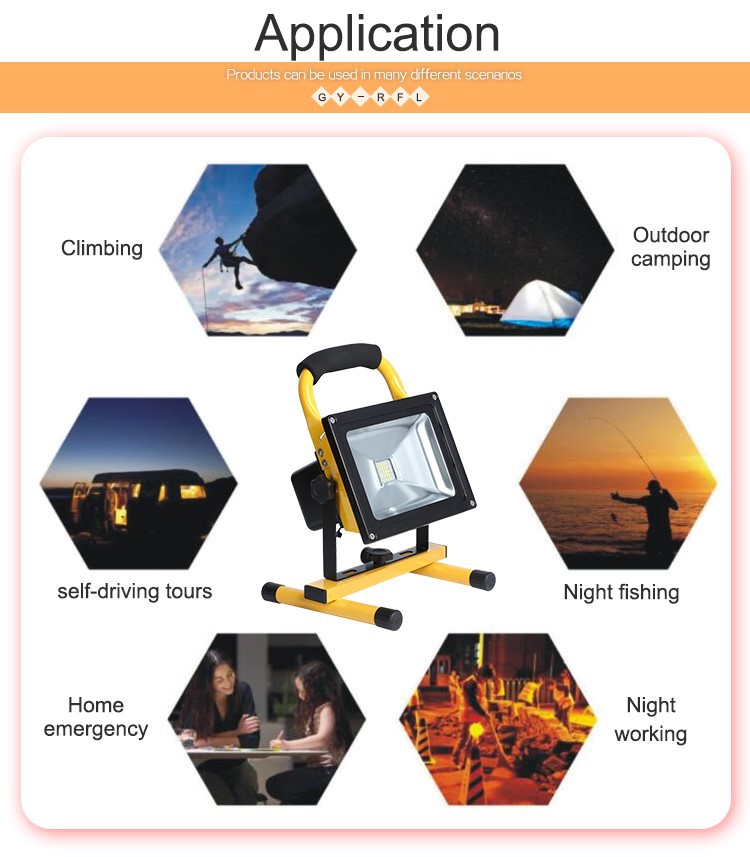
Conclusion and Future Outlook
The evolution from static, energy-intensive HID systems to intelligent, LED-based apron flood lighting represents a significant leap forward for airport ground operations. By leveraging the inherent efficiency and controllability of LED floodlights, and integrating them with sophisticated, data-driven control strategies and fault diagnosis algorithms, airports can simultaneously achieve higher safety standards, substantial operational cost savings, and reduced environmental impact. This aligns perfectly with the global vision for "Smart Airports."
Future research and development will likely focus on even deeper integration, such as using computer vision to detect actual apron activity for real-time lighting adjustment, or applying digital twin technology to simulate and optimize the entire lighting ecosystem. Furthermore, standardization of data interfaces and communication protocols (like for the Internet of Things) will be crucial for creating interoperable and scalable smart airport lighting solutions. The intelligent LED floodlight system is no longer just a source of light; it has become an active, data-generating component of the airport's critical operational infrastructure.
References & Further Reading
Xing, Z. (2023). Study on Control Strategy and Fault Diagnosis of Apron Flood Lighting [Master's thesis, Civil Aviation University of China].
International Civil Aviation Organization (ICAO). Annex 14 to the Convention on International Civil Aviation - Aerodromes, Volume I - Aerodrome Design and Operations.
Civil Aviation Administration of China. *MH/T 6108-2014: Technical Requirements for Apron Flood Lighting of Civil Airports*.
Ratnaweera, A., Halgamuge, S. K., & Watson, H. C. (2004). Self-organizing hierarchical particle swarm optimizer with time-varying acceleration coefficients. IEEE Transactions on Evolutionary Computation, 8(3), 240-255.
de Bakker, C., Aries, M., Kort, H., & Rosemann, A. (2017). Occupancy-based lighting control in open-plan office spaces: A state-of-the-art review. Building and Environment, 112, 308-321.





