

Introduction
The continuous or sporadic presence of flammable gases, vapours, dust, or combustible fibres characterises high-risk locations, including chemical plants, oil refineries, oil rigs, gas storage facilities, and mining activities. Even the tiniest electrical spark, extreme heat, or mechanical friction may ignite nearby combustible materials in these settings, resulting in disastrous explosions, flames, or hazardous spills. These catastrophes result in significant financial losses and long-term operational interruptions in addition to posing an immediate risk to the lives of on-site personnel and causing extensive damage to facilities, equipment, and the environment. In high-risk regions, lighting is an essential infrastructure that gives workers the vision they need to carry out maintenance, emergency response, and operating duties. However, since they may produce sparks, excessive heat, or delicate components that may serve as fire sources, standard lighting solutions are unable to satisfy the stringent safety requirements of these situations. Explosion-proof LED (Light-Emitting Diode) lighting has become a specialised and dependable solution that provides steady, high-quality illumination while removing igniting threats. In contrast to conventional lighting technologies (like incandescent, fluorescent, or high-pressure sodium lamps), explosion-proof LED lighting combines cutting-edge solid-state lighting technology with exacting explosion-proof design, guaranteeing adherence to stringent safety regulations and offering numerous operational and financial advantages. In order to provide professional insights for safety managers, facility engineers, and enterprise decision-makers, this article uses a thesis-like structure with three-level headings, methodically examines the fundamental value of explosion-proof LED lighting in ensuring safety in high-risk areas, elaborates on its compliance with safety regulations, durability, energy efficiency, productivity improvement, and cost-saving advantages, and integrates technical principles, industry standards, and real-world application scenarios. The objective is to explain why explosion-proof LED lighting has emerged as a crucial safety element in high-risk regions and how it assists businesses in striking a balance between cost management, efficiency, and safety.
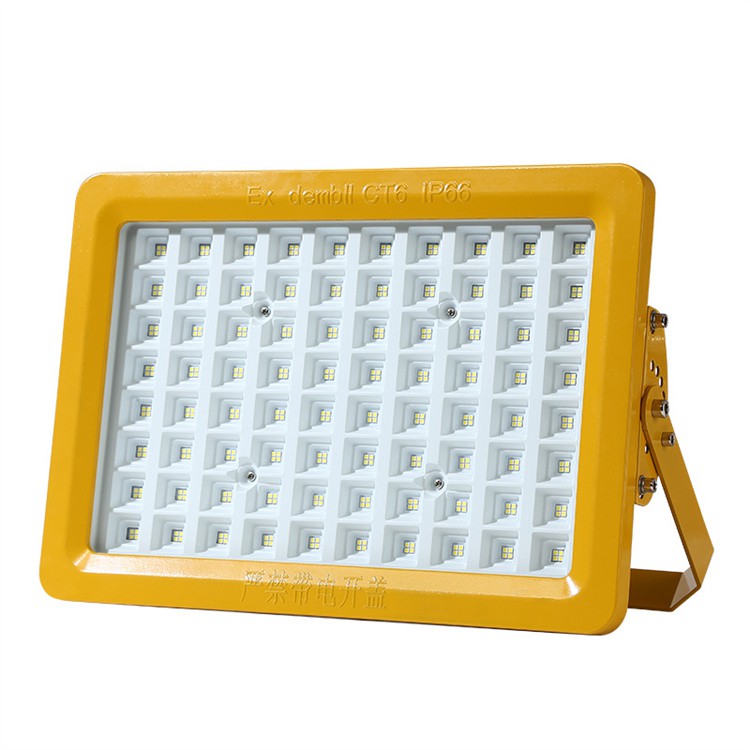
Background and Significance of Explosion-Proof LED Lighting in High-Risk Areas
Although high-risk industrial settings are essential to the growth of the world economy, they present serious safety risks. Over 40% of industrial accidents in high-risk regions are linked to hazardous or insufficient lighting, with electrical ignition from lighting equipment being one of the main causes of explosions and fires, according to statistics from the International Society of Automation (ISA). Global regulatory agencies have been stepping up their safety oversight of high-risk regions in recent years, and in order to reduce the danger of igniting, lighting equipment is subject to stricter regulations. Even though it satisfies fundamental safety requirements, traditional explosion-proof lighting has intrinsic drawbacks such high energy consumption, a short service life, low durability, and subpar illumination quality that make it unable to completely satisfy the contemporary safety and operational requirements of high-risk environments. These issues have been resolved by the widespread use of explosion-proof LED lights. As a solid-state lighting technology, LEDs offer built-in benefits including minimal heat production, no delicate parts, and great energy efficiency that are ideal for high-risk regions' operating and safety needs. Furthermore, explosion-proof LED lighting can meet the highest national and international safety standards thanks to the integration of thermal management systems, intelligent control technologies, and explosion-proof enclosure design, offering a dependable safety guarantee for high-risk operations. In addition to being a crucial step in ensuring worker safety, preventing industrial accidents, and adhering to regulations, encouraging the use of explosion-proof LED lighting is also a vital strategy for lowering operating expenses, increasing productivity, and achieving sustainable growth.
Overview of Explosion-Proof LED Lighting: Definition, Working Principle, and Safety Design
In order to properly comprehend the safety value and all-encompassing advantages of explosion-proof LED lighting in high-risk regions, it is first important to elucidate its fundamental definition, operational concept, and essential safety design. Explosion-proof LED lighting is a kind of lighting that is specifically designed to stop combustible materials in the surrounding area from being ignited by internal electrical or thermal ignition. In order to provide a comprehensive safety protection system that guarantees safe operation in high-risk areas, its design incorporates LED light sources with explosion-proof casings, thermal management systems, and safety control components.
Definition and Core Functional Positioning
Lighting equipment that satisfies national and international explosion-proof safety requirements and is appropriate for use in high-risk locations where flammable gases, vapours, dust, or combustible fibres may be present is known as explosion-proof LED lighting. Its primary functions are to: (1) support the regular operation of high-risk regions with steady, high-quality lighting; and (2) prevent explosions and fires by removing all possible sources of ignition, such as sparks, excessive heat, or mechanical friction. Explosion-proof LED lighting is essential safety equipment in high-risk regions because, in contrast to traditional lighting, it takes a "preventive" design to essentially remove the circumstances for ignition rather than just "withstand" explosions.
Core Working Principle
The combination of LED photoelectric conversion technology and explosion-proof safety design forms the foundation of the operation of explosion-proof LED lighting. On the one hand, LED chips use the semiconductor photoelectric effect to transform electrical energy into light energy. They have a high photoelectric conversion efficiency (up to 170 lm/W) and little heat loss, which significantly lowers the danger of thermal fire. The thermal management system regulates the fixture's surface temperature to below the ignition temperature of nearby flammable materials; the safety control system finds and removes electrical faults (such as short circuits, overcurrent, and overvoltage) that could cause sparks; and the explosion-proof enclosure is made to withstand internal explosions (if any) and prevent the spread of flames or hot gases to the external environment.
Key Safety Design Features
The safety of explosion-proof LED lighting in high-risk areas relies on three core design features, which together form a multi-layered safety protection system:
Explosion-Proof Enclosure Design: The enclosure is made of high-strength materials such as aluminum alloy, stainless steel, or cast iron, with precision machining to ensure a tight seal (usually IP66 or higher waterproof and dustproof rating). Common enclosure types include flameproof (Ex d) and increased safety (Ex e), which can contain internal explosions or prevent the generation of sparks and excessive heat.
Thermal Management System: Equipped with high-efficiency heat sinks (made of aluminum alloy or copper) to quickly dissipate the small amount of heat generated by LED chips, ensuring that the surface temperature of the fixture does not exceed the minimum ignition temperature (MIT) of flammable substances in the environment (typically below 100°C for most high-risk areas).
Solid-State Structure: Unlike traditional lighting with fragile glass bulbs and filaments, LED lighting adopts a solid-state design with no moving parts or fragile components, eliminating the risk of mechanical ignition caused by bulb breakage or filament damage.
Compliance with Safety Regulations: The Core Safety Guarantee for High-Risk Areas
The most fundamental and fundamental advantage of explosion-proof LED lighting is compliance with safety requirements, which is also the main prerequisite for lighting equipment in high-risk locations. To guarantee that equipment can function securely in high-risk areas, government agencies and business associations worldwide have developed stringent safety requirements for explosion-proof lighting. Strict adherence to these standards is used in the design and testing of explosion-proof LED lighting, which helps businesses minimise legal risks, lower the risk of accidents, and safeguard worker and facility safety.
Key International and National Safety Standards
Explosion-proof LED lighting must comply with relevant international and national safety standards to be legally used in high-risk areas. The main standards include:
International Standards: IEC 60079 (International Electrotechnical Commission) specifies the general requirements for explosion-proof electrical equipment, including enclosure design, temperature limits, and ignition protection; ATEX 2014/34/EU (European Union) is a directive governing explosion-proof equipment, requiring compliance with safety requirements for use in EU member states; UL 913 (North American) specifies the safety requirements for intrinsically safe equipment, ensuring that electrical circuits do not generate sparks that can ignite flammable substances.
National Standards: GB 3836 (China) aligns with IEC standards and specifies the technical requirements for explosion-proof electrical equipment in domestic high-risk areas; ANSI/UL 844 (United States) and CSA C22.2 No. 213 (Canada) are regional standards for explosion-proof lighting in North America.
These standards classify high-risk areas based on the type and concentration of flammable substances (e.g., Zone 0/1/2 for gas environments, Zone 20/21/22 for dust environments) and specify the corresponding explosion-proof ratings and technical requirements for lighting equipment. Explosion-proof LED lighting is tested and certified in accordance with these standards, ensuring that it is suitable for specific high-risk environments.
The Value of Compliance for Enterprises
Compliance with safety regulations through the use of explosion-proof LED lighting brings significant value to enterprises operating in high-risk areas:
Avoiding Legal Risks and Fines: Non-compliant lighting equipment may lead to severe fines, legal sanctions, or even suspension of operations by regulatory bodies. For example, in the European Union, enterprises that use non-ATEX-certified explosion-proof lighting in high-risk areas may face fines of up to 10% of annual turnover. Explosion-proof LED lighting with formal certification ensures compliance, helping enterprises avoid these risks.
Minimizing Accident Risks: Safety standards are formulated based on a large number of accident cases and technical research, and compliance ensures that explosion-proof LED lighting can effectively eliminate ignition risks. This minimizes the probability of explosions, fires, and other accidents, protecting the lives of employees and the integrity of equipment and facilities.
Enhancing Corporate Reputation: Compliance with safety regulations reflects an enterprise's commitment to safety and social responsibility, enhancing its reputation among customers, partners, and regulatory bodies. This is particularly important for enterprises in industries such as oil, chemical, and mining, where safety is a key factor in cooperation and market competition.
Durable and Long-Lasting: Reducing Maintenance Risks and Replacement Costs
High-risk areas are often characterized by harsh environmental conditions, including extreme temperatures, high humidity, corrosive substances, dust, and strong vibrations-all of which can damage conventional lighting equipment, leading to frequent failures, unplanned downtime, and increased maintenance risks. Explosion-proof LED lighting is specifically designed to withstand these harsh conditions, featuring excellent durability and a long service life, which not only reduces replacement and maintenance costs but also avoids safety risks caused by equipment failure.
Material and Structural Design for Harsh Environments
Explosion-proof LED lighting adopts high-quality materials and robust structural design to adapt to the harsh conditions of high-risk areas:
Corrosion Resistance: The enclosure is made of corrosion-resistant materials such as 304 stainless steel or aluminum alloy with anti-corrosion powder coating, which can resist damage from corrosive gases (such as sulfur dioxide, chlorine gas), saltwater (for offshore oil rigs), and chemical liquids, ensuring long-term stable operation in chemical plants and oil refineries.
Extreme Temperature Resistance: The LED chips and drivers are selected for high and low-temperature stability, and the thermal management system is optimized to ensure that the fixture can operate reliably within a wide temperature range (-40°C to 60°C). This makes it suitable for use in cold storage facilities, desert oil fields, and other areas with extreme temperatures.
Shock and Vibration Resistance: The solid-state design of LEDs and the shock-absorbing mounting structure of the enclosure enable the fixture to withstand vibrations of up to 10G and shocks of up to 50G, adapting to the high-vibration environment of mining operations and oil rigs.
Dust and Waterproof Protection: With an IP66 or higher ingress protection rating, the fixture can completely prevent dust ingress and resist low-pressure water jets, ensuring normal operation in dusty mining environments or rainy outdoor high-risk areas.
Long Service Life and Reduced Maintenance Requirements
The service life of explosion-proof LED lighting is significantly longer than that of traditional explosion-proof lighting. Traditional incandescent explosion-proof lamps have a service life of only 1,000–2,000 hours, while fluorescent models last 8,000–10,000 hours. In contrast, high-quality explosion-proof LED lighting has a service life of 50,000–100,000 hours-equivalent to 5–10 years of continuous operation (based on 12 hours of daily use).
This long service life reduces the frequency of fixture replacement, which is critical in high-risk areas where maintenance and replacement work is often time-consuming, costly, and risky (requiring workers to enter dangerous areas). Additionally, explosion-proof LED lighting has a simple structure and high stability, requiring minimal maintenance-only regular cleaning of the enclosure and occasional inspection of electrical connections. This not only reduces maintenance costs but also minimizes the safety risks associated with maintenance activities (such as sparks generated during disassembly and assembly).
Energy-Efficient: Reducing Operational Costs and Environmental Impact
Energy efficiency is another important advantage of explosion-proof LED lighting in high-risk areas. High-risk areas often require 24-hour continuous lighting, resulting in high energy consumption and operational costs. Explosion-proof LED lighting, with its high energy efficiency, not only reduces energy bills but also reduces carbon emissions, helping enterprises achieve energy conservation, emission reduction, and sustainable development goals-while indirectly enhancing safety by reducing the load on the power supply system.
High Energy Efficiency and Energy Savings
Compared to conventional lighting technologies, LED lighting offers a much improved luminous efficiency. A 20W explosion-proof LED light, for instance, may provide the same brightness (luminous flux) as a 40W fluorescent or 100W incandescent explosion-proof bulb. Because explosion-proof LED lighting uses 50–80% less energy than conventional types, businesses may save a substantial amount of money on electricity. Using a medium-sized chemical plant with 500 explosion-proof lighting fixtures as an example, switching from conventional 100W incandescent lamps to 20W explosion-proof LED models would result in an annual electricity consumption reduction of 360,000 kWh (based on 24 hours of daily use), saving about $36,000 (at $0.10/kWh). The yearly energy savings may reach hundreds of thousands of dollars, greatly lowering operating expenses for large-scale, high-risk businesses (such oil refineries with thousands of fixtures).
Reduced Carbon Emissions and Environmental Protection
The reduced energy consumption of explosion-proof LED lighting directly translates to lower carbon emissions. Most industrial electricity is generated from fossil fuels (such as coal, oil, and natural gas), so reducing electricity use reduces the amount of fossil fuel burned and the resulting carbon dioxide emissions. For example, the 360,000 kWh of electricity saved annually by the chemical plant mentioned above would reduce carbon emissions by approximately 270 tons (based on 0.75 kg of CO₂ per kWh of thermal power), contributing to global carbon neutrality goals.
Furthermore, explosion-proof LED lighting does not contain harmful substances such as mercury (found in fluorescent lamps) or lead, making it environmentally friendly during production, use, and disposal. This reduces the environmental impact of lighting waste, aligning with the sustainable development strategies of modern enterprises.
Increases Productivity: Enhancing Work Safety and Operational Efficiency
In high-risk areas, the quality of lighting directly affects the safety and productivity of workers. Poor lighting can lead to eye strain, reduced visibility, and human error-all of which increase the risk of accidents and reduce work efficiency. Explosion-proof LED lighting provides brighter, more uniform, and higher-quality illumination, which not only improves work safety but also enhances productivity, creating additional value for enterprises.
High-Quality Illumination Improves Visibility and Safety
Explosion-proof LED lighting uses high-quality LED chips and optical design to provide uniform, glare-free illumination with high color rendering index (CRI ≥ 80). High CRI ensures that workers can accurately identify the color of objects (such as chemical reagents, equipment indicators, and safety signs), which is critical for quality control, equipment inspection, and emergency response in high-risk areas. Uniform illumination eliminates shadows and blind spots, ensuring that workers can clearly see potential hazards (such as spills, obstacles, or equipment malfunctions), reducing the risk of accidents.
In contrast, traditional explosion-proof lighting often has uneven illumination, glare, or low brightness, which can cause eye fatigue and reduce visibility-especially during long-hour shifts. Explosion-proof LED lighting's high-quality illumination reduces eye strain, improves concentration, and helps workers maintain a high level of alertness, further enhancing work safety.
Stable Illumination Reduces Operational Downtime
Explosion-proof LED lighting has high stability and a low failure rate, ensuring continuous, stable illumination. In high-risk areas, lighting failure can lead to operational downtime-for example, if lighting in a chemical plant's production workshop fails, workers must stop operations to avoid accidents, resulting in economic losses. The long service life and low failure rate of explosion-proof LED lighting minimize unplanned downtime, ensuring the continuity of operations and improving overall productivity.
Lowers Insurance Costs: Reducing Financial Risks for Enterprises
Enterprises operating in high-risk areas face high insurance costs due to the high risk of explosions, fires, and other accidents. Insurance companies determine premiums based on the level of safety risk of the enterprise-enterprises with better safety measures and lower accident risks are eligible for lower insurance premiums. Explosion-proof LED lighting, as an effective safety measure to reduce accident risks, is recognized by insurance companies, helping enterprises lower insurance costs and reduce financial risks.
The Connection Between Explosion-Proof LED Lighting and Insurance Premiums
Insurance companies assess the safety risk of high-risk enterprises by evaluating the safety equipment and measures they adopt. Explosion-proof LED lighting, by eliminating ignition risks and reducing the probability of explosions and fires, significantly reduces the insurance risk of enterprises. Many insurance companies offer premium discounts of 10–20% for enterprises that use certified explosion-proof LED lighting in high-risk areas, as they recognize the role of this equipment in preventing accidents.
Long-Term Financial Benefits
The reduction in insurance costs, combined with energy savings and reduced maintenance costs, brings significant long-term financial benefits to enterprises. For example, a large oil refinery with an annual insurance premium of $500,000 can save $50,000–$100,000 annually by using explosion-proof LED lighting and obtaining a 10–20% premium discount. Over the service life of the lighting (5–10 years), the cumulative savings from insurance costs alone are considerable, further improving the economic benefits of investing in explosion-proof LED lighting.
Conclusion and Outlook
In high-risk areas such as chemical plants, refineries, and oil rigs, ensuring safety is the top priority of enterprise operations, and explosion-proof LED lighting has become an essential safety feature that cannot be replaced. It not only ensures compliance with strict safety regulations, eliminating legal risks and accident risks, but also provides comprehensive benefits such as durability, energy efficiency, productivity improvement, and insurance cost reduction-helping enterprises achieve a balance between safety, efficiency, and cost control.
The core value of explosion-proof LED lighting lies in its ability to fundamentally eliminate ignition risks while delivering stable, high-quality illumination, which addresses the core pain points of traditional lighting in high-risk areas. Its compliance with international and national safety standards ensures legal operation; its durable design adapts to harsh environments and reduces maintenance risks; its energy efficiency reduces operational costs and environmental impact; its high-quality illumination enhances work safety and productivity; and its role in reducing accident risks helps lower insurance costs.
With the continuous advancement of LED technology and explosion-proof design, the performance of explosion-proof LED lighting will be further improved. Future developments will focus on integrating intelligent technologies (such as IoT remote monitoring, automatic fault diagnosis, and adaptive dimming) to enhance the safety and manageability of the lighting system. Additionally, the integration of renewable energy sources (such as solar power) with explosion-proof LED lighting will further reduce energy dependence and carbon emissions, providing a more sustainable safety solution for remote high-risk areas.
In conclusion, investing in explosion-proof LED lighting is a strategic decision for enterprises operating in high-risk areas. It not only protects the lives of employees, equipment, and facilities but also brings significant economic and environmental benefits, laying a solid foundation for the sustainable development of enterprises. As safety regulations become increasingly strict and the concept of sustainable development becomes more deeply rooted, explosion-proof LED lighting will play an increasingly important role in ensuring safety in high-risk areas.
About Our Company

Our firm prides itself on owning its own factory, guaranteeing complete control over the production process and the quality of our goods. We are not only agents; we are manufacturers committed to offering our clients the most competitive rates available. We invite consumers to evaluate our samples first, as we are assured that the quality and pricing of our items are self-evident. Our dedication to excellence and client satisfaction compels us to consistently perform at our best and provide superior quality products.
Our address
3rd Floor, 5th Building, Hebei Industrial Park, Hualian Community, Longhua District, Shenzhen, China





