

Introduction
The presence of flammable gases, vapours, dust, or combustible materials characterises hazardous work settings, such as oil refineries, chemical plants, mining activities, gas storage facilities, and pharmaceutical production workshops. Worker safety, equipment integrity, and environmental security are seriously threatened in such circumstances since even the tiniest ignition source may cause catastrophic explosions, fires, or poisonous leaks. As a crucial part of operational safety in these environments, lighting must adhere to stringent safety regulations to remove ignition hazards and provide sufficient illumination to enable productive and secure work operations. Conventional explosion-proof lighting options, like incandescent, fluorescent, or high-pressure sodium lamps, have long been utilised in dangerous settings but have a number of inherent drawbacks, including high energy consumption, short service life, poor durability, and excessive heat generation, all of which compromise operational effectiveness and safety. Explosion-proof LED lighting has become a ground-breaking solution that redefines performance and safety in dangerous work situations thanks to the development of LED (Light-Emitting Diode) technology and the ongoing improvement of explosion-proof design requirements. The main advantages of explosion-proof LED lighting-safety, durability, energy efficiency, and design flexibility-are methodically examined in this essay, which also explains how these benefits solve the particular difficulties of hazardous workplaces. This essay offers expert views for safety managers, facility engineers, and industry decision-makers using a thesis-like format with three-level titles, emphasising why explosion-proof LED lighting has emerged as the best option for contemporary hazardous work situations.

Background and Significance of Explosion-Proof LED Lighting Popularization
A large percentage of industrial activities globally involve hazardous work situations, and lighting safety is a major concern for businesses and regulatory agencies everywhere. The International Electrotechnical Commission (IEC) reports that dangerous lighting equipment or insufficient illumination account for more than 30% of industrial accidents in hazardous situations, with lighting system ignition being the primary cause of explosions and fires. While adhering to fundamental safety regulations, conventional explosion-proof lighting fails to strike a balance between durability, efficiency, and safety, which leads to high operating costs, frequent maintenance, and possible safety flaws. These issues are addressed by the growing popularity of explosion-proof LED lights. As a solid-state lighting technology, LEDs offer built-in benefits including excellent shock resistance, minimal heat production, and high energy efficiency, all of which are ideal for hazardous conditions. Furthermore, explosion-proof LED lighting can meet the highest international safety standards (like IECEx, ATEX, and UL Class I/II/III) thanks to the integration of sophisticated explosion-proof enclosure design and intelligent control systems, guaranteeing safe operation in even the most dangerous circumstances. In addition to being a crucial step in ensuring worker safety and preventing industrial accidents, encouraging the use of explosion-proof LED lighting is also a crucial strategy for lowering energy consumption, operating expenses, and achieving sustainable growth in the industrial sector.
Overview of Explosion-Proof LED Lighting: Definition, Classification, and Safety Standards
Clarifying the fundamental definition, categorisation, and safety requirements of explosion-proof LED lighting is essential to properly appreciating its advantages. Explosion-proof LED lighting is a kind of lighting that is specifically designed to stop combustible materials in the surrounding area from being ignited by internal electrical or thermal ignition. By integrating LED light sources with thermal management systems, safety control components, and explosion-proof enclosures, the device's design ensures that any potential ignition source-such as sparks, excessive heat, or electrical arcs-is contained inside, reducing the possibility of explosions and fires.
Definition and Core Design Principles
Lighting equipment that satisfies explosion-proof requirements and is appropriate for use in dangerous locations with flammable gases, vapours, dust, or fibres is known as explosion-proof LED lighting. First, containment-the enclosure is built to withstand the pressure of an internal explosion and stop flames or hot gases from spreading to the external environment-and second, temperature control-the device is built to keep the surface temperature of the enclosure and internal components below the ignition temperature of the surrounding flammable substances-are two of its fundamental design principles. In contrast to conventional explosion-proof lighting, LED-based systems use the low heat production of LEDs to further lower the danger of ignition, and their solid-state construction removes the possibility of glass shattering or filament breaking, which are major causes of ignition in incandescent or fluorescent lamps.
Classification of Hazardous Areas and Corresponding Explosion-Proof Ratings
Hazardous areas are classified based on the type, concentration, and frequency of flammable substances, and explosion-proof LED lighting must be matched to the appropriate area classification to ensure safety. The main international classification systems include:
ATEX (European Standard): Divides hazardous areas into Zone 0 (permanently explosive atmosphere), Zone 1 (occasionally explosive atmosphere), and Zone 2 (rarely explosive atmosphere) for gas/vapor environments; and Zone 20 (permanently explosive dust atmosphere), Zone 21 (occasionally explosive dust atmosphere), and Zone 22 (rarely explosive dust atmosphere) for dust environments.
IECEx (International Electrotechnical Commission Standard): Aligns with ATEX classification and is widely adopted globally, ensuring cross-border compatibility of explosion-proof equipment.
UL/CSA (North American Standard): Classifies hazardous areas into Class I (flammable gases/vapors), Class II (combustible dust), and Class III (combustible fibers), with Divisions 1 (permanently/occasionally hazardous) and 2 (rarely hazardous) for each class.
Explosion-proof LED lighting is rated according to these classifications, with common ratings such as Ex d (flameproof enclosure), Ex e (increased safety), Ex i (intrinsically safe), and Ex t (powder-filled), ensuring that the device is suitable for specific hazardous environments.
Key Safety Standards for Explosion-Proof LED Lighting
Explosion-proof LED lighting must comply with strict international and national safety standards to ensure reliable performance in hazardous environments. Key standards include:
IEC 60079: The core international standard for explosion-proof electrical equipment, specifying requirements for enclosure design, temperature limits, and ignition protection.
ATEX 2014/34/EU: The European directive governing explosion-proof equipment, requiring compliance with safety requirements for use in EU member states.
UL 913: The North American standard for intrinsically safe equipment, specifying requirements for electrical circuits and components to prevent ignition.
GB 3836 (China National Standard): The national standard for explosion-proof electrical equipment, aligning with IEC standards and applicable to domestic hazardous environments.
Compliance with these standards ensures that explosion-proof LED lighting can operate safely in hazardous environments, eliminating ignition risks and protecting workers and equipment.
Safety Benefits: Reducing Ignition Risks and Ensuring Operational Safety
Explosion-proof LED lighting's outstanding safety performance, which directly tackles the fundamental danger of explosions and fires, is its main advantage in hazardous work situations. With minimal heat production, dependable enclosure design, and sophisticated safety controls, LED-based lighting systems lower ignition hazards as compared to conventional explosion-proof lighting, making the workplace safer for workers.
Low Heat Generation: Eliminating Thermal Ignition Risks
The minimal heat production of explosion-proof LED lighting is one of its most important safety benefits. With surface temperatures often higher than the ignition point of flammable gases (such methane, propane, and gasoline), traditional incandescent lamps pose a serious danger of thermal fire since they convert more than 90% of electrical energy into heat. LED lighting, on the other hand, converts 80–90% of electrical energy into light energy with less heat loss because to its high photoelectric conversion efficiency (up to 170 lm/W). The goal of explosion-proof LED lighting is to keep the enclosure's surface temperature below the combustible materials' minimum ignition temperature (MIT), which is usually less than 100°C in most hazardous gas settings. This removes the possibility of thermal ignition, even while operating continuously for an extended period of time. For instance, an explosion-proof LED flood lamp with a surface temperature of 85°C is much below the MIT of crude oil vapours (150°C) at an oil refinery (Zone 1 hazardous area), guaranteeing safe operation even in the presence of flammable vapours.
Explosion-Proof Enclosure Design: Containing Potential Ignition Sources
Explosion-proof LED lighting features a robust enclosure designed to withstand internal explosions and prevent the spread of flames or hot gases to the external environment. The enclosure is typically made of high-strength materials such as aluminum alloy, stainless steel, or cast iron, with precision machining to ensure a tight seal (IP66 or higher waterproof and dustproof rating). Common enclosure designs include:
Flameproof Enclosure (Ex d): Designed to contain the pressure and flames of an internal explosion, preventing them from igniting the external explosive atmosphere. The enclosure is constructed to withstand pressures of up to 10 bar, with flame paths that cool and extinguish flames before they escape.
Increased Safety Enclosure (Ex e): Enhances the safety of electrical components by preventing sparks, arcs, or excessive heat, reducing the risk of ignition. This design is commonly used in Zone 2 hazardous areas.
The combination of LED's low heat generation and explosion-proof enclosure design creates a double layer of safety, eliminating both thermal and electrical ignition risks.
No Fragile Components: Reducing Mechanical Ignition Risks
Traditional explosion-proof lighting (such as incandescent or fluorescent lamps) uses fragile components such as glass bulbs and filaments, which can shatter or break due to vibration, impact, or temperature changes-creating sparks that can ignite flammable substances. Explosion-proof LED lighting adopts a solid-state design, with no glass bulbs, filaments, or moving parts, making it highly resistant to shock, vibration, and impact.
LED chips are encapsulated in a rugged epoxy resin or silicone material, and the enclosure is designed to withstand mechanical stress (such as drops, collisions, or vibrations) common in hazardous environments (e.g., mining operations, construction sites, or oil rigs). This eliminates the risk of mechanical ignition, ensuring that the lighting remains operational even in harsh conditions.
Intelligent Safety Controls: Enhancing Operational Safety
Advanced explosion-proof LED lighting systems are equipped with intelligent safety controls that further reduce risks and enhance operational safety. These controls include:
Over-Temperature Protection: Automatically reduces power or shuts down the light if the internal temperature exceeds a safe threshold, preventing overheating and thermal ignition.
Short-Circuit Protection: Detects short circuits in the electrical circuit and cuts off power to prevent sparks and arcs.
Surge Protection: Protects the light from voltage surges (common in industrial environments) that could damage components and create ignition sources.
Remote Monitoring: Allows safety managers to monitor the status of the lighting system in real time, identifying potential faults (such as overheating or component failure) before they pose a safety risk.
Durability Benefits: Adaptability to Harsh Hazardous Environments
Hazardous work environments are characterized by harsh conditions, including extreme temperatures, high humidity, dust, corrosive substances, and strong vibrations-all of which can damage traditional lighting equipment and reduce its service life. Explosion-proof LED lighting is specifically designed to withstand these conditions, ensuring long-term reliable operation and reducing maintenance costs.
Resistance to Extreme Temperatures
Hazardous environments such as oil refineries, mining operations, and chemical plants often experience extreme temperatures-ranging from -40°C in cold storage facilities or arctic mining sites to 60°C in desert oil fields. Traditional lighting equipment (such as fluorescent lamps) often fails in these conditions, with bulbs cracking or drivers overheating. Explosion-proof LED lighting is designed to operate reliably within a wide temperature range (-40°C to 60°C), thanks to its solid-state design and advanced thermal management systems.
LED chips are selected for their high-temperature stability, and the enclosure is designed to dissipate heat efficiently (using heat sinks made of aluminum alloy or copper). This ensures that the light remains operational even in extreme temperature conditions, reducing the risk of equipment failure and unplanned downtime.
Resistance to Moisture, Dust, and Corrosion
Hazardous environments often have high humidity, dust, or corrosive substances (such as chemicals, saltwater, or acid fumes), which can damage the internal components of lighting equipment. Explosion-proof LED lighting features a high IP (Ingress Protection) rating (typically IP66 or IP67), ensuring complete protection against dust ingress and low-pressure water jets. The enclosure is also treated with anti-corrosion coatings (such as powder coating or chrome plating) to resist damage from corrosive substances.
For example, in a chemical plant where corrosive gases are present, an explosion-proof LED light with a stainless steel enclosure and anti-corrosion coating can operate reliably for years, while traditional lighting would corrode and fail within months. In a mining operation with high dust levels, the IP66 rating prevents dust from entering the enclosure, ensuring that the LED chips and driver remain clean and functional.
Resistance to Shock and Vibration
Shock and vibration are common in hazardous environments such as mining, construction, and oil rigs. Traditional lighting equipment is highly susceptible to damage from these forces, with bulbs breaking or internal components loosening. Explosion-proof LED lighting's solid-state design makes it highly resistant to shock and vibration-withstand vibrations of up to 10G and shocks of up to 50G, according to industry standards.
The LED chips are firmly encapsulated, and the driver is mounted on shock-absorbing materials to reduce the impact of vibration. This ensures that the light remains operational even in high-vibration environments, reducing maintenance costs and unplanned downtime.
Long Service Life: Reducing Maintenance and Replacement Costs
Explosion-proof LED lighting has a significantly longer service life than traditional explosion-proof lighting. Traditional incandescent explosion-proof lamps have a service life of 1,000–2,000 hours, while fluorescent models last 8,000–10,000 hours. In contrast, high-quality explosion-proof LED lighting has a service life of 50,000–100,000 hours-equivalent to 5–10 years of continuous operation (based on 12 hours of daily use).
This long service life reduces the frequency of replacement and maintenance, which is critical in hazardous environments where maintenance work is often time-consuming, costly, and risky (requiring workers to enter dangerous areas). Reduced maintenance also means fewer opportunities for human error or ignition risks during maintenance activities.
Energy Efficiency and Environmental Benefits: Reducing Costs and Carbon Footprint
In addition to safety and durability, explosion-proof LED lighting offers significant energy efficiency and environmental benefits, helping enterprises reduce operational costs and achieve sustainable development goals. The high energy efficiency of LEDs not only lowers electricity bills but also reduces carbon emissions and resource waste.
High Energy Efficiency: Reducing Electricity Costs
LED lighting has a much higher luminous efficiency than traditional lighting methods. For example, a 20W explosion-proof LED light can provide the same brightness as a 100W incandescent explosion-proof lamp or a 40W fluorescent explosion-proof lamp. This means that explosion-proof LED lighting consumes 50–80% less energy than traditional models, resulting in significant electricity savings for enterprises.
For a large-scale oil refinery with 1,000 explosion-proof lighting fixtures, replacing traditional 100W incandescent lamps with 20W LED models would reduce annual electricity consumption by 600,000 kWh (based on 12 hours of daily use), resulting in savings of approximately $60,000 (at $0.10/kWh). These savings are particularly significant for enterprises operating in hazardous environments, where lighting is often required 24 hours a day.
Reduced Carbon Emissions: Supporting Sustainable Development
The reduced energy consumption of explosion-proof LED lighting directly translates to lower carbon emissions. Most industrial electricity is generated from fossil fuels (such as coal, oil, and natural gas), so reducing electricity use reduces the amount of fossil fuel burned and the resulting carbon dioxide emissions. For example, the 600,000 kWh of electricity saved annually by the oil refinery mentioned above would reduce carbon emissions by approximately 450 tons (based on 0.75 kg of CO₂ per kWh of thermal power), contributing to global carbon neutrality goals.
Furthermore, explosion-proof LED lighting does not contain harmful substances such as mercury (found in fluorescent lamps) or lead, making it environmentally friendly during production, use, and disposal. This reduces the environmental impact of lighting waste, supporting circular economy principles.
Reduced Maintenance and Waste: Lowering Environmental Footprint
The long service life of explosion-proof LED lighting reduces the number of fixtures that need to be replaced, resulting in less waste. Traditional explosion-proof lighting requires frequent replacement, leading to a large amount of waste (such as glass bulbs, filaments, and plastic components) that can be harmful to the environment. In contrast, explosion-proof LED lighting produces minimal waste, as it only needs to be replaced once every 5–10 years.
Additionally, the reduced maintenance requirements of explosion-proof LED lighting mean fewer maintenance activities, which reduces the use of tools, materials, and transportation-further lowering the environmental footprint of the enterprise.
Design Flexibility: Enhancing Safety and Productivity
Explosion-proof LED lighting offers greater design flexibility than traditional explosion-proof lighting, allowing it to be tailored to the specific needs of different hazardous work environments. This flexibility enhances work safety and productivity by providing targeted, high-quality illumination where it is needed most.
Directional Lighting: Reducing Glare and Minimizing Shadows
LED lighting can be designed to provide directional illumination, allowing light to be focused precisely on work areas, equipment, or pathways. This eliminates glare (a common problem with traditional lighting) and minimizes shadows, ensuring that workers have clear visibility of their surroundings. Glare can cause eye fatigue and reduce visibility, increasing the risk of accidents, while shadows can hide hazards (such as spills, obstacles, or equipment malfunctions).
For example, in a chemical plant's production workshop, explosion-proof LED spotlights can be installed to focus light on critical equipment (such as valves, pipes, and gauges), ensuring that workers can perform inspections and maintenance safely and accurately. In a mining tunnel, explosion-proof LED strip lights can be installed along the walls to provide uniform, shadow-free illumination, improving visibility for miners and reducing the risk of falls or collisions.
Adjustable Light Intensity and Color Temperature
Advanced explosion-proof LED lighting systems allow for adjustable light intensity and color temperature, adapting to changing lighting conditions and work requirements. For example, in a facility that operates 24 hours a day, the light intensity can be reduced during low-activity periods to save energy, while increasing during high-activity periods to ensure safety. Color temperature can also be adjusted-warm white (3000K) for comfort in long-hour work environments, and cool white (5000K–6000K) for high-visibility tasks (such as inspections or precision work).
This adjustability ensures that the lighting system is responsive to the needs of the work environment, enhancing both safety and productivity. For example, in a pharmaceutical manufacturing facility, cool white light can be used during quality control inspections to ensure accurate color recognition, while warm white light can be used in break areas to reduce eye fatigue.
Versatile Installation Options
Explosion-proof LED lighting is available in a variety of forms, including flood lights, spotlights, strip lights, and panel lights, with versatile installation options (wall-mounted, ceiling-mounted, pole-mounted, or portable). This allows the lighting to be installed in any location within a hazardous environment, even in hard-to-reach areas.
Portable explosion-proof LED lights are particularly useful for maintenance work or temporary work areas, providing safe, high-quality illumination where fixed lighting is not available. For example, in an oil rig's maintenance platform, portable explosion-proof LED lights can be used to illuminate specific areas during repairs, ensuring that workers have clear visibility while working at height.
Conclusion and Outlook
Explosion-proof LED lighting has emerged as a superior solution for hazardous work environments, offering a comprehensive range of benefits that address the core challenges of safety, durability, efficiency, and flexibility. Its low heat generation, explosion-proof enclosure design, and intelligent safety controls significantly reduce ignition risks, protecting workers and equipment from explosions and fires. Its durability ensures reliable operation in harsh conditions, reducing maintenance costs and unplanned downtime. Its energy efficiency reduces electricity costs and carbon emissions, supporting sustainable development. Its design flexibility enhances work safety and productivity by providing targeted, adaptable illumination.
As global industrial safety standards become increasingly strict and enterprises focus more on sustainability and cost reduction, the adoption of explosion-proof LED lighting will continue to grow. Future developments in explosion-proof LED technology will focus on further improving energy efficiency, enhancing intelligent controls (such as IoT integration for remote monitoring and management), and expanding application scenarios (such as high-pressure or high-corrosion environments). Additionally, the integration of renewable energy sources (such as solar power) with explosion-proof LED lighting will further reduce carbon emissions and improve energy independence in remote hazardous areas.
In conclusion, explosion-proof LED lighting is not just a replacement for traditional explosion-proof lighting-it is a transformative technology that redefines safety, efficiency, and sustainability in hazardous work environments. By adopting explosion-proof LED lighting, enterprises can ensure the safety of their workers, reduce operational costs, and contribute to a greener, more sustainable future.
About Our Company
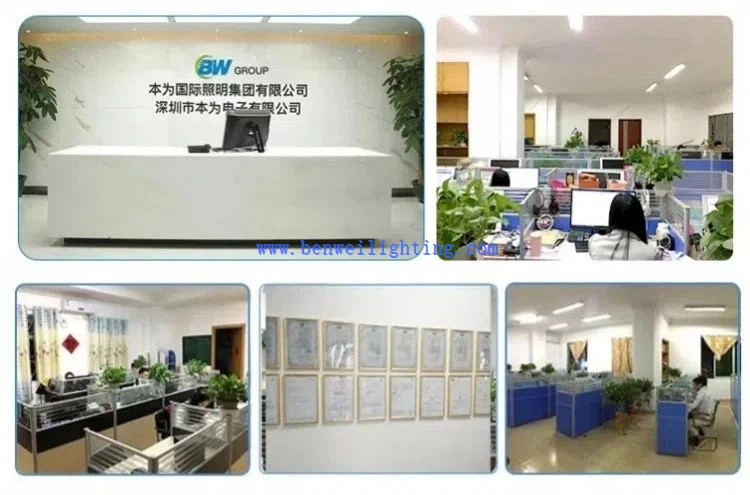
Our firm prides itself on owning its own factory, guaranteeing complete control over the production process and the quality of our goods. We are not only agents; we are manufacturers committed to offering our clients the most competitive rates available. We invite consumers to evaluate our samples first, as we are assured that the quality and pricing of our items are self-evident. Our dedication to excellence and client satisfaction compels us to consistently perform at our best and provide superior quality products.
Our address
3rd Floor, 5th Building, Hebei Industrial Park, Hualian Community, Longhua District, Shenzhen, China





