

Everything You Need to Know About Recessed Lighting

Whether you refer to it as recessed lighting, downlighting, pot lighting, or can lighting, it has become more and more common recently. And for good reason: it's simple to mix with other lighting styles to provide a layered aesthetic and enhance the ambiance of any space.
It's possible to create a well-lit room in your house with recessed lighting, but it's also simple to do it incorrectly, especially if you don't plan to use a professional (such an electrician or handyman) or do any preliminary planning on your own. Hence, what precisely is recessed lighting and how does it operate? We're available to assist you with these inquiries and others.

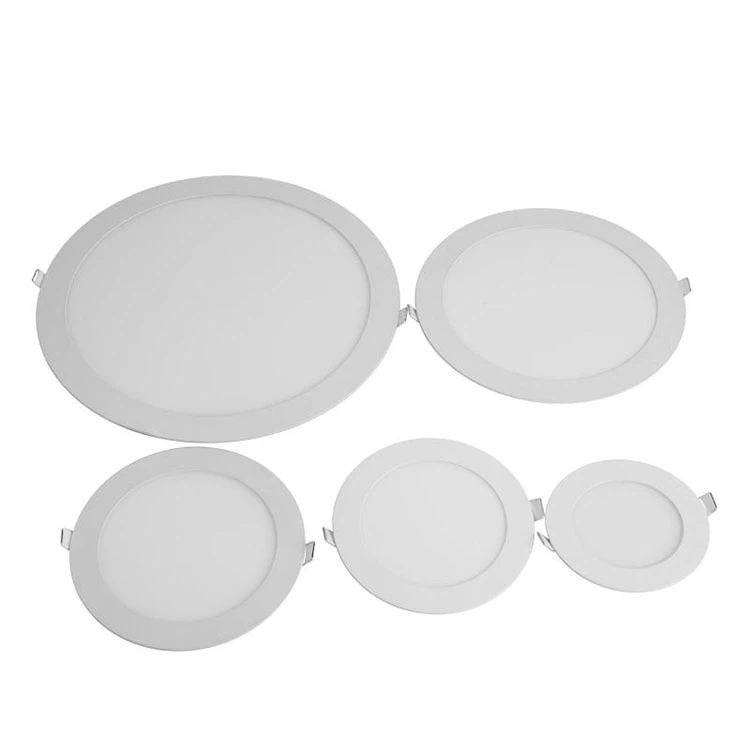
Recessed lighting: What Is It?
Recessed lighting fixtures are those spherical holes with an illumination source that are typically seen in ceilings. Recessed lights offer light without a visible fixture, in contrast to flush mount lamps, flush mount chandeliers, and chandeliers that are intended to be seen.
This kind of lighting may be utilised for ambient, job, and accent lighting in a variety of residential and commercial situations. Recessed lighting is a great option for spaces where there isn't enough room for hanging lights since it's stylish and simple to hide. Also, it's a well-liked option for illumination in closets, kitchens, living rooms, and most recently, outdoors.
A recessed light fixture consists of three components:
- Frame – a mounting frame placed between joists to secure the light in the ceiling.
- Housing – a cylindrical metal can that houses the light bulb and other parts of the fixture, hiding them inside the ceiling. This is where the term ‘can light’ comes from. Housings are available in a number of different sizes to accommodate different types of lighting.
- Trim – the most visible part of the fixture, the trim is inserted in the housing and impacts the overall appearance of the light fixture and light quality. They are made in a number of materials and colours. Keep reading to learn more about housing and trim.
How to selectg Recessed Lighting?
When choosing recessed lighting, there are a lot of factors to take into account after deciding why, how, and where you want it. These factors include:
- What you want to light
- What fixture size and housing type you want
- Whether you want a diffused or spotlight
- Light bulb type
- Trim
Yet safety should be your top priority before you think about any of these other things. Regarding recessed lighting safety, there are two aspects to consider:
Fixtures. Airtight or insulation-compatible lighting fixtures should be used in recessed lighting.
Count of fixtures and circuits.
Fixture that is airtight or compatible with insulation (AT)
The first light source, a can, was terribly ineffective. You could frequently determine who in your neighbourhood had recessed lighting fixtures because the escaping heat would produce ice dams or circular spots of melted snow on their roofs in the winter. Recessed lighting fittings are unsealed and cannot be covered by insulation due to the risk of fire. Manufacturers created insulation-compatible (IC) and airtight (AT) fittings to address this problem.
Indeed, the only thing you need to consider in terms of safety is whether the ceiling will be insulated. You will require an airtight, IC-rated container if the answer is yes. If not, you might use a canister that is not IC rated. Here's the distinction:
- Insulation Compatible (IC) means that it is safe for the housing can to be in direct contact with insulation. Your recessed lighting can must be IC compatible if it will be in contact with insulation, otherwise it can be a fire hazard.
- Non-IC rated fixtures have to be protected by a cover that keeps the insulation at least three inches away from the housing, and are usually only used when there is another level of finished rooms above the ceiling they are being installed in.
- Airtight (AT) fixtures are especially important if the lights are being installed on a top floor or ceiling that connects directly to the roof. AT fixtures keep warm air generated by the light bulb from flowing through the fixture and out the roof, cutting down on waste and saving money on energy bills.
Lighting Circuits and Fixture Count
Because recessed fixtures are hard-wired, their installation calls for the knowledge and expertise of a qualified electrician. Licensed experts may provide guidance on your lighting design based on what is practical for your house and what you desire in terms of aesthetics.
The maximum wattage of the lighting you choose will have a significant impact on how many recessed fixtures your space can support. A balance between the quantity and kind of fixtures, as well as the kind of light bulbs, is required because a circuit can only transport so much watts. Due to their extremely low wattage, LED bulbs are a great option for recessed lighting since you can utilise more low-wattage fittings while still being able to power the lamps: Non-dimmable versus dimmable lights
After factoring in what's realistic, you'll need to examine what looks nice and what will serve your needs. To get the desired effect, pay attention to the beam angle of the light bulbs you choose:
A focused spotlight and light pools may be created with a restricted beam angle.
Wide beam angles produce wider, more evenly distributed beams that provide continuous ambient lighting with minimal to no shadows.
If you're still unsure, it's a good idea to remember that the space between lights should be half as tall as the ceiling.

Selecting Housing and Trim
The enjoyable part now is choosing the lamp's design. There are two primary components that make up a recessed lighting fixture:
The metal can, or "rough-in," is the housing. The mounting frame and bars are also included.
The trim, which is the most noticeable part of the recessed lighting fixture and serves as a decorative element, is available in a range of colours and materials.
These elements must be taken into account simultaneously because they must fit together properly and because they each have various requirements that will affect your choice. Let's look more closely:
The Residence
There are certain restrictions on the housing size options because of how recessed lighting is implemented. The housing must be compact enough to fit comfortably between the ceiling joists and to sit securely in the plenum.
Although most housings for domestic usage are made to fit in most homes, there are shallower and deeper choices that are also frequently available, and they normally come in a variety of diameters. Whatever diameter you choose will depend on the size and height of the ceiling, as well as how the room will be used and how you want it to look.
It's Trim
The trim or "finishing," which is the most noticeable component of a recessed lighting fixture, influences the aesthetics of a space by influencing how the light appears overall. Trim comes in a variety of sizes, shapes, hues, and materials to suit practically any personal preference.
It's simple enough to select the colour and material you desire, but it's crucial to comprehend how the fixture's size and design will affect how the light seems and functions.
Which Kind of Lighting Bulb Do You Wish to Use?
Recessed lighting fixtures have a distinct variety of sockets, which is one of the most crucial factors to keep in mind when choosing a light bulb. Make sure to double verify what your fixture takes before purchasing your bulbs because some use the standard screw cap while others need a pin base. It should be easy to select a bulb with the desired colour temperature, brightness, and beam angle together with a cap as most types of light bulbs can be obtained with a variety of base sizes.
When purchasing bulbs for recessed lighting, bear the following additional considerations in mind:
The sort of light bulb you should choose will often depend on its intended function (colour temperature). Warm lighting is ideal for lounging and reading while working and finishing activities calls for a cooler colour temperature.
Halogen, incandescent, and even CFL bulbs are among the alternatives for actual bulb types, but LED bulbs are the most energy-efficient choice since they are more widely accessible in a wider range of colour temperatures than other lights.
Dimmable - Because recessed lighting fixtures are permanently installed and frequently serve as general illumination, it's a good idea to ensure sure the bulbs are dimmable so you may change the brightness to fit your needs.
The shape of the light bulb is important since recessed lighting is frequently designed to be seamless. You don't want the bulb to protrude out of the housing. Often, this entails choosing a smaller bulb or a bulb made especially for recessed lighting fixtures, such a PAR16 or GU10 bulb.
Radiant Recessed Lighting
Recessed lighting adds value and style to your home, as well as elegance and depth to your lighting design. Redecorate any room with this subtle and sophisticated way to upgrade your lighting without cluttering up floor space with fixtures.
Shop our full selection of recessed lighting compatible l downlight fittings.





