

Introduction: The Thermodynamic Challenge of Modern LED Lighting
The transition from traditional halogen and incandescent lighting to LED technology has been hailed as the ultimate solution for energy efficiency. However, this transition has introduced a new set of engineering challenges that are frequently overlooked by lower-tier manufacturers.
The Paradox of LED Efficiency and Heat
It is a common misconception that LEDs produce no heat. While it is true that LEDs convert a significantly higher percentage of electrical energy into visible light (up to 80%, compared to just 20% for halogen), the remaining energy is still converted into heat. Because the light is generated at the semiconductor junction-a microscopic point-the heat is concentrated in an incredibly small area. If this heat is not rapidly extracted, the junction temperature skyrockets.
The Catastrophic Effects of Heat on LED Performance
When an LED work light operates in a high-heat environment without adequate thermal management, several degradation mechanisms occur:
Lumen Depreciation: As junction temperatures rise, the light output drops drastically. A poorly cooled LED will become noticeably dimmer within a fraction of its expected lifespan.
Color Shift: Excessive heat causes the phosphor coating on the LED chip to degrade, leading to an undesirable shift in color temperature (often towards a harsh, sickly blue or green).
Premature Failure: Sustained high temperatures melt the soldered connections within the chip, causing the entire fixture to short out and fail completely.
The Engineering Solution: Fast Heat Dissipation
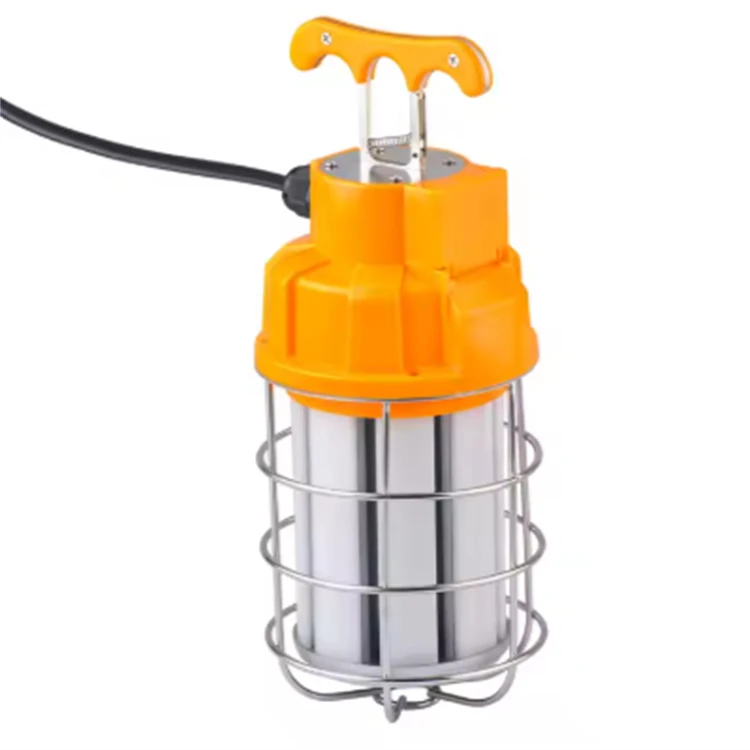
To ensure absolute reliability in demanding job sites, our Heavy-Duty LED Work Lights are engineered with a multi-layered Fast Heat Dissipation architecture. By combining the immense thermal conductivity of an aluminum alloy body, the open-air convective design of the thickened lamp-chimney, and the low thermal resistance of the 2835 LED chip, we have created a self-sustaining cooling system that allows the lights to operate flawlessly under extreme pressure.
Material Science: The Aluminum Alloy Heat Sink
The foundation of any effective thermal management system is the material used to construct the housing. In the case of our LED work lights, the choice of material is a strategic engineering decision.
The Superior Thermal Conductivity of Aluminum
The core body of the fixture is constructed from a high-grade Aluminum Alloy. Aluminum was selected not only for its impressive strength-to-weight ratio-making the lights highly portable-but primarily for its exceptional thermal conductivity. Thermal conductivity is the property of a material to conduct heat. Aluminum rapidly absorbs the concentrated heat generated by the internal LED chips and spreads it across the entire surface area of the housing. In essence, the entire aluminum body acts as a massive heat sink, pulling destructive heat away from the delicate electronic components.
Surface Spray Coating: Enhancing Thermal Radiation
A common concern with coated metals is that the coating may act as an insulator. However, our specialized Surface Spray Coating is engineered differently. While it provides a rust-proof, impermeable barrier against moisture, concrete dust, and industrial chemicals, it also enhances the thermal emissivity of the fixture. Thermal emissivity is the ability of a surface to radiate heat. The industrial-grade coating actually increases the rate at which the aluminum body radiates the absorbed heat into the surrounding ambient air, supplementing the conductive cooling process.
Structural Rigidity Under Thermal Stress
Unlike plastic housings, which can warp, melt, or become brittle under extreme heat, the aluminum alloy maintains its structural integrity. Whether the light is deployed in a freezing outdoor site or a sweltering manufacturing plant, the aluminum body will not deform, ensuring the internal electronic components and the protective wire cage remain perfectly aligned.
Architectural Engineering: The Convective Airflow System
While the material absorbs the heat, the physical design of the fixture must efficiently expel it. The Fast Heat Dissipation architecture relies heavily on the principles of fluid dynamics and thermodynamics.
The Open-Air Thickened Lamp-Chimney
The fixture is encased in a heavy-gauge metal wire cage, known as the thickened lamp-chimney. While its primary function is to provide impact resistance and prevent violent impact and unintentional falling, it serves a crucial secondary thermal function: it creates an open, unrestricted environment for airflow. Standard enclosed work lights trap heat inside the glass or plastic lens. Our cage design allows 100% of the ambient air to directly contact the aluminum heat sink.
The Chimney Effect and Convective Draft
The design of the fixture takes advantage of a thermodynamic principle known as the "chimney effect" or stack effect.
Heat Generation: The 2835 LED chips generate heat, which is rapidly transferred to the aluminum body.
Air Warming: The aluminum body warms the air immediately surrounding it.
Upward Convection: Because hot air is less dense than cool air, it naturally rises. The warm air escapes through the top ventilation slots of the fixture.
Continuous Draft: As the hot air exits the top, it creates a low-pressure zone at the bottom of the fixture. This draws in cooler, denser ambient air through the bottom vents.
This continuous, self-sustaining convective draft ensures that a constant flow of fresh, cool air is passing over the aluminum heat sink, radically reducing the internal temperature of the light even during 12-hour continuous operation.
Optimized Airflow Geometry
The internal arrangement of the LED panels has also been meticulously designed to minimize air resistance. The vertical orientation of the panels allows the hot air to rise smoothly between them, preventing heat pockets from forming. The bottom-mounted fan mechanism (visible in the design) further accelerates this airflow, ensuring that even in areas with low ambient air movement, the internal cooling cycle remains highly active.
Optoelectronic Efficiency: The 2835 LED Chip
The heat dissipation system is highly effective, but the amount of heat generated is ultimately determined by the light source itself.
Low Thermal Resistance Packaging
The illumination is powered by high-light 2835 LED chips. The 2835 package is renowned in the optoelectronics industry for its low thermal resistance. The chip is mounted directly onto a metal-core printed circuit board (PCB), which acts as a direct thermal bridge between the LED junction and the aluminum housing. This eliminates the thermal bottlenecks found in cheaper, inferior LED packages, allowing heat to transfer out of the chip faster than it can accumulate.
High Luminous Efficacy
Because the 2835 chip is so efficient, it generates a massive amount of lumens while consuming minimal amperage. This means less electricity is wasted as heat. By utilizing multiple vertical panels densely populated with these chips, the light string achieves a brilliant, 360-degree light dispersion pattern. The light wraps around scaffolding, vehicle engines, and structural supports, eliminating harsh shadows-all while maintaining a remarkably low thermal footprint.
Performance Under Pressure: Real-World Durability
The true test of any engineering design is its performance in adverse, high-pressure conditions. Our Fast Heat Dissipation system is built to thrive where other lights fail.
Extreme Ambient Temperatures
In environments like steel mills, foundries, or outdoor construction sites during peak summer, the ambient temperature can exceed 100°F (38°C). In such conditions, the cooling mechanisms of standard lights fail entirely. Because our system relies on aggressive convective airflow and expansive surface area, the fixture can maintain optimal junction temperatures even when the ambient air is already hot. The fast heat dissipation ensures the light remains cool to the touch, eliminating the risk of severe burns for workers who must handle the fixture.
High-Dust and Enclosed Environments
In enclosed garages, attics, or dusty construction zones, the air is often thick with particulates. These particulates can coat the heat sink, acting as an insulating blanket. However, the vertical geometry and the open-cage design of our lights prevent dust from settling heavily on the cooling surfaces. The continuous upward draft of air helps to passively clear light dust, ensuring the cooling system functions effectively even in dirty environments.
Vibration and Kinetic Shock
Job sites are high-vibration environments. Industrial machinery, pneumatic tools, and heavy vehicles generate constant kinetic energy. Unlike fragile glass bulbs or brittle plastic housings that crack under thermal stress and vibration, the solid-state nature of the 2835 chips and the rigid aluminum alloy body are entirely immune to vibration. The fast heat dissipation system ensures that the internal soldered connections do not weaken due to heat cycling, guaranteeing reliable operation even when suspended from vibrating scaffolding.
Financial Impact: Calculating the Return on Investment (ROI)
For procurement officers and business owners, the advanced engineering of these lights translates directly into financial savings. The Fast Heat Dissipation system is a core pillar of a highly favorable Total Cost of Ownership (TCO).
Maximizing Lifespan and Eliminating Replacements
By keeping the LED junction temperature cool, we prevent the primary cause of LED failure. Where a poorly cooled LED light may last only a few thousand hours before dimming significantly or failing, our thermally managed lights will deliver peak lumen output for over 50,000 hours. This eliminates the cycle of frequent replacement. The cost savings from not having to purchase new fixtures, coupled with the labor savings of not having to install them, are substantial.
Energy Efficiency and Grid Management
Because the thermal management system is so efficient, there is no need to "overdrive" the electrical input to maintain brightness. The 2835 chips operate at peak efficiency, consuming up to 80% less energy than halogen equivalents. For a job site using a 10-light string for 12 hours a day over a six-month project, the electricity savings alone will often cover the initial purchase price of the fixtures. Furthermore, the lower amperage draw reduces the strain on temporary power grids, minimizing the risk of tripping breakers and costly downtime.
Mitigating Workplace Liability and Insurance Costs
Heat is a major fire hazard on construction sites and in garages. Traditional halogen lights operate at surface temperatures exceeding 500°F, capable of igniting sawdust, oil, and combustible debris. Our LED work lights remain cool to the touch, drastically reducing the risk of accidental fires and burns. A safer workplace leads to lower insurance premiums and protects the enterprise from the devastating liability of workplace injury claims.
Conclusion: The Ultimate in Thermal Reliability
The Heavy-Duty LED Work Light String is not merely a piece of equipment; it is an engineered solution to the most persistent challenges faced in industrial lighting. Our commitment to Fast Heat Dissipation is evident in every layer of the design-from the high thermal conductivity of the aluminum alloy body and the rust-proof surface spray coating, to the convective airflow of the thickened lamp-chimney and the low thermal resistance of the 2835 LED chips.
By choosing our lighting solution, you are investing in a system that stays cool under pressure, ensuring brilliant, uninterrupted illumination, unparalleled durability, and a massive return on investment.
Strategic Recommendations for Buyers:
Prioritize Thermal Design: Always examine the heat sink material and airflow architecture of any LED work light. Do not settle for enclosed plastic housings that trap heat.
Scale with Customization: Take advantage of our 5-light and 10-light string options, as well as customizable plug specifications, to build a lighting infrastructure that perfectly matches your site's spatial and electrical constraints.
Invest in Durability: The rust-proof aluminum body and impact-resistant cage guarantee that these lights will withstand the violent impact and unintentional falling common to job sites.
How To Cooperate With Us?
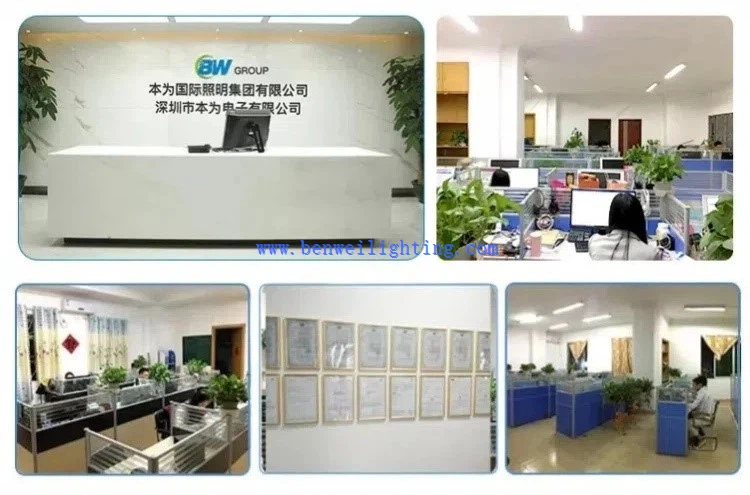
Having its own factory gives our firm complete control over the production process and the quality of our goods, which we take great pride in. We are manufacturers, not only brokers, committed to offering our clients the lowest costs. We invite consumers to evaluate our samples first since we are certain that the cost and quality of our items are evident. Our dedication to excellence and client happiness motivates us to consistently provide superior products.
Our address
3rd Floor, 5th Building, Hebei Industrial Park, Hualian Community, Longhua District, Shenzhen, China





