

Growing plants indoors can be challenging. It might be difficult to provide plants with enough light to grow properly when there is less natural light available. This could be aided by LED grow lights. Because these lights provide the spectrum of light needed by plants for photosynthesis and growth, it is possible to grow plants indoors with them. In this post, we will demonstrate how to build an LED grow light system.
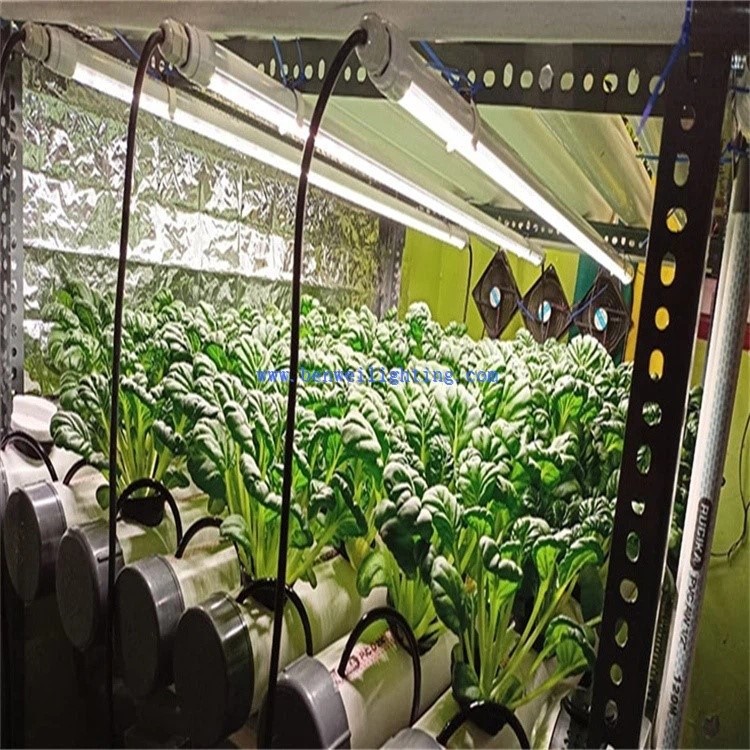
Decide where you want to develop.
Before you can start building your LED grow light system, you need to estimate your grow space. This can help you determine the number of lights you'll need and the intensity at which to place them. As a general guideline, aim for about 50 watts per square foot of grow area. Therefore, a 4 by 4 foot grow space would need about 800 watts of LED lights.
Decide which LED grow lights to use.
The industry offers a wide range of LED grow lights in different spectrums and intensities. When selecting the best LED grow lights, you need to consider the type of plants you are growing. Different plant species require different light spectrums and intensities. Among the popular brands of LED grow lights are Viparspectra, Roleadro, and Mars Hydro.
Build your structure
Once you have your LED grow lights, you will need to build a frame to hold them. This might be as simple as utilising PVC tubing and fittings to construct a sturdy framework that can sustain the lights. Make sure the framework is strong enough to hold the weight of the lights and that it can be easily moved if needed.
Configure the grow lights with LEDs.
It's time to install your LED grow lights. The initial step should be to install the lights on the frame. Make sure they are the right height and distance apart for your plants. Most LED grow lights come with hooks or brackets to make hanging them easy. Make sure the lights are turned on after situating them.
Incorporate materials that are reflecting.
To get the most out of your LED grow lights, surround the grow area with shiny materials. By reflecting more light back onto the plants, this will increase the intensity of the light. Two great materials for reflection are mylar and white paint.
Set your timer.
To ensure that your plants receive the right amount of light, you should program your LED grow lights to run on a timer. When setting your timer, keep in mind that most plants require 12 to 16 hours of light per day. Don't forget to give your plants a period of darkness each day so they can rest and recover.
Pay attention to your plants.
Checking on your plants frequently is essential after setting up your LED grow light system. Make sure they are getting adequate light, and adjust the height and intensity of the lamps as needed. Additionally, keep an eye on the temperature and humidity levels in your growing space as these factors may affect how your plants develop.
In conclusion, setting up an LED grow light system is an excellent way to cultivate plants indoors. Anyone with the required equipment and basic understanding may build an LED grow light system. Selecting the best LED grow lights for your plants, building a sturdy frame, accurately attaching the lights, adding reflecting material, setting a timer, and closely monitoring your plants are all that are required. You can grow contented, healthy plants inside by keeping these tips in mind.
If you are interested, feel free to contact us https://www.benweilighting.com/contact-us.https://www.benweilighting.com/contact-us.





