

How Can I Ensure That I Am Using My Germicidal UV Tube Light Safely and Effectively?
Germicidal UV tube lights have become increasingly popular for their ability to kill bacteria, viruses, and other harmful microorganisms. However, while they are effective for disinfection, they can also be risky if not used properly. In this article, we will guide you on how to use your germicidal UV tube light safely and effectively.
In recent years, germicidal UV tube lights have emerged as one of the most reliable, chemical-free disinfection solutions for residential, commercial, medical, and industrial spaces. Unlike traditional disinfectants such as alcohol and disinfectant sprayers that require manual wiping and may leave chemical residues, UV germicidal tubes eliminate invisible threats in the air and on surface areas through physical sterilization technology. They can efficiently destroy the DNA and RNA structure of various bacteria, viruses, mold spores, and other harmful microorganisms, rendering them unable to reproduce and infect. This efficient and environmentally friendly disinfection method makes UV tube lights widely used in homes, hospitals, schools, offices, laboratories, and public service areas. Nevertheless, ultraviolet germicidal light belongs to high-energy short-wave ultraviolet radiation. Its powerful sterilization capability also means that improper operation and uncontrolled use will bring irreversible harm to the human body and indoor environment. Therefore, mastering standardized, safe, and effective use methods is the premise of giving full play to the disinfection advantages of germicidal UV tube lights.
Choose the right wavelength
Germicidal UV tube lights use ultraviolet light at wavelengths between 200 and 280 nm to kill microorganisms. The most effective wavelength for disinfection is 254 nm, which is commonly used in many germicidal tubes. Ensure that your tube light emits the right wavelength and that it is compatible with the application you intend to use it for.
The disinfection performance of germicidal UV tube lights is completely determined by their ultraviolet wavelength range, which is the core factor affecting sterilization efficiency. The ultraviolet band between 200 and 280 nm is defined as UVC short-wave ultraviolet, which is the only ultraviolet waveband with direct germicidal and sterilization capabilities. Other longer-wave ultraviolet bands such as UVA and UVB cannot destroy microbial genes and have no effective disinfection effect. Within the UVC effective sterilization range, 254 nm is recognized as the golden sterilization wavelength in the industry. This specific wavelength can accurately penetrate the cell walls of bacteria and viruses, destroy their internal genetic material structure, and completely block their replication and infection ability, achieving thorough and efficient sterilization.
Most formal and qualified germicidal UV tube lights on the market are calibrated to emit stable 254 nm ultraviolet light, which is suitable for daily disinfection of indoor air, desktop surfaces, household appliances, and public facility surfaces. When purchasing and using UV tube lights, users must carefully check the product parameter labels to confirm the output wavelength of the tube. It is necessary to avoid buying inferior UV lights with inaccurate wavelength, which either have poor sterilization effect or produce excessive harmful radiation. At the same time, users need to match the wavelength performance with actual usage scenarios. Conventional 254 nm UV tubes are perfectly suitable for daily household and conventional public space disinfection, meeting daily sterilization and purification needs, so as to ensure that the equipment performance matches the application scenario and achieve the best disinfection effect.
Wear protective gear
Exposure to UV light can be dangerous to your eyes and skin, leading to skin burns and eye damage. Always wear protective gear such as goggles, gloves, long-sleeved shirts and pants, and a face mask if required. Ensure that the gear provides sufficient protection from the UV light.
Short-wave UVC ultraviolet light used by germicidal UV tube lights has strong penetrating and damaging properties. Different from the harmless long-wave ultraviolet rays in sunlight, direct or indirect exposure to UVC light will cause acute damage to human skin and eyes in a short time, which is irreversible. In terms of skin damage, short-term exposure will cause symptoms similar to sunburn, such as skin redness, swelling, pain and peeling. Long-term or repeated exposure will damage skin cell tissues, accelerate skin aging, and even induce potential skin health risks. For eye tissues which are more delicate, UV light will burn the corneal epithelium, cause photokeratitis, and lead to eye pain, tearing, photophobia and blurred vision.
Therefore, personal protective equipment is a must-have safety barrier during the operation of germicidal UV tube lights. Users need to wear full set of standardized protective gear before turning on the UV disinfection equipment. Professional UV protective goggles can completely block short-wave ultraviolet radiation and protect corneal health. Rubber or latex protective gloves avoid direct contact of skin with UV light. Long-sleeved shirts and long pants fully cover the skin of the limbs and torso to prevent exposed skin from being irradiated. In closed and long-time disinfection scenarios, a professional protective face mask can be worn to strengthen facial protection. It is important to note that ordinary daily glasses and cotton masks cannot resist ultraviolet radiation. Users must select special UV-proof protective supplies to ensure that all exposed body parts are fully protected and avoid any radiation damage.
Don't look directly at the light
Avoid direct exposure to the UV light. Looking directly at the light can damage your eyesight and cause discomfort in the eyes. Always position the light in a way that it doesn't shine directly on you or anyone nearby.
Direct gazing at the working germicidal UV tube light is one of the most common and dangerous operational mistakes in daily use. The high-energy short-wave ultraviolet light emitted by the tube will instantly stimulate and burn the eye cornea and conjunctiva. Even short-term direct viewing will cause obvious eye discomfort such as dryness, stinging and continuous tearing. Long-time direct exposure will lead to severe corneal injury, decreased vision and even temporary visual impairment, which seriously endangers eye health. Unlike visible light, ultraviolet radiation is invisible to the naked eye, and people are easily negligent in protection during operation.
In addition to not actively looking directly at the light source, users need to scientifically plan the placement angle and position of the UV tube light. During the disinfection operation, adjust the irradiation direction of the tube to avoid direct light towards human activity areas, walking channels and working positions. For fixed-installation UV tube lights on the ceiling and wall, ensure that the light diffuses downward and covers the space evenly without direct light reflection to the human eye. During the whole working period of the UV lamp, try to avoid personnel staying in the disinfection space. If temporary operation is required, keep your head down and avoid eye contact with the light source at all times, and ensure no nearby personnel are exposed to direct UV irradiation.

Use in well-ventilated areas
Germicidal UV tube lights produce ozone gas, which can be harmful when inhaled. Use the light in a well-ventilated area or install an air purifier to eliminate the ozone gas. Avoid using the light in confined spaces or areas without proper ventilation.
While realizing high-efficiency sterilization, germicidal UV tube lights will produce a by-product called ozone gas during operation. Ultraviolet light with a wavelength lower than 254 nm will decompose oxygen molecules in the air and generate ozone through chemical reaction. Appropriate concentration of ozone can assist in air disinfection and remove indoor peculiar smells, but excessive ozone inhalation will cause great harm to the human respiratory system. High-concentration ozone will irritate the throat, trachea and lung tissues, causing cough, throat itching, chest tightness and other discomfort, and long-term inhalation will affect respiratory health.
Therefore, ventilation management is essential for the safe use of UV germicidal lamps. Users must carry out UV disinfection in well-ventilated open or semi-open spaces. Before turning on the lamp, open indoor doors, windows and ventilation fans to ensure smooth air circulation, which can timely discharge the generated ozone and avoid excessive indoor ozone concentration. For closed rooms and small confined spaces such as cabinets, storage rooms and bathrooms with poor air fluidity, it is forbidden to turn on UV tube lights for disinfection. If disinfection is required in relatively closed spaces, auxiliary equipment such as an air purifier with ozone purification function can be installed to effectively decompose and eliminate residual ozone gas, purify indoor air, and eliminate hidden dangers of respiratory health caused by ozone accumulation.
Follow manufacturer instructions
Read and follow the manufacturer's instructions carefully before using the germicidal UV tube light. The instructions will provide valuable information on usage, safety precautions, and maintenance. Failure to follow the instructions could result in accidents or damage to the equipment.
Each brand and model of germicidal UV tube light has independent design parameters, performance characteristics and usage specifications. The manufacturer's official instruction manual is the most authoritative and targeted usage guide, covering all key information including equipment parameter introduction, standard operation steps, safe use range, taboo scenarios, daily maintenance methods and fault handling measures. Many users only rely on empirical operation and ignore the product manual after purchasing the equipment, which is prone to irregular operation, resulting in reduced disinfection efficiency and even safety accidents.
Before the first use of the germicidal UV tube light, users must carefully read the full content of the instruction manual, master the standard power-on and power-off steps, single disinfection duration, effective irradiation distance and applicable space range. At the same time, strictly abide by the safety taboo prompts in the manual, clarify the prohibited usage scenarios and wrong operation methods. In the daily use and maintenance process, all operations must be carried out in accordance with the manufacturer's guidelines. Any unauthorized operation that does not conform to the instructions may not only cause equipment burnout, tube aging and performance damage, but also lead to ultraviolet radiation leakage, excessive ozone concentration and other safety hazards, threatening personal safety and indoor environmental safety.
Keep away from children and pets
Germicidal UV tube lights are not toys. Keep them out of reach of children and pets to prevent accidental exposure to the UV light. Store the lights in a secure place after use.
Children and pets are the most vulnerable groups in the process of using germicidal UV tube lights. Young children lack safety awareness and are curious about luminous equipment. They are likely to touch, hold or stare at the working UV tube light mistakenly, resulting in direct UV irradiation on skin and eyes. Pets such as cats and dogs also have the habit of staring at light sources and touching luminous objects, and accidental exposure will also cause physical damage. It is worth emphasizing that germicidal UV tube lights are professional disinfection equipment, not entertainment toys, and must never be used for children's play or pet interaction.
During the use of the equipment, place the UV tube light in a high position or a closed area that children and pets cannot touch, and isolate the disinfection space to avoid accidental entry. After each disinfection operation and equipment use, timely turn off the power, remove and store the UV tube light in a fixed secure storage position such as a high cabinet and closed storage box. Avoid random placement on the ground, desktop and other accessible positions, completely eliminate the risk of accidental contact and exposure of children and pets, and build a comprehensive safety protection barrier for family use.
Regular maintenance
Ensure that your germicidal UV tube light is well maintained to maximize its effectiveness and lifespan. Clean the tube light regularly, replace the bulbs when necessary, and follow any other maintenance guidelines provided by the manufacturer.
The long-term disinfection efficiency and service life of germicidal UV tube lights depend entirely on daily standardized maintenance. In the process of indoor disinfection, the surface of the UV tube will continuously accumulate dust, oil smoke, water vapor and floating impurities in the air. These attachments will cover the tube surface, block ultraviolet light emission, greatly reduce the transmittance of UV light, and directly lead to the decline of sterilization effect. In severe cases, uneven heat dissipation of the tube will be caused, accelerating the aging and damage of the lamp tube.
Therefore, regular cleaning and maintenance are essential. Users need to cut off the power and cool down the equipment completely, then wipe the tube surface with a clean soft cloth regularly to remove surface dust and stains and keep the tube light transparent and clean. UV tube lights have a fixed service life. With the increase of use time, the internal lamp bead performance will decay, the ultraviolet output wavelength will drift, and the disinfection ability will decline. Users need to regularly check the working state of the tube and replace aging bulbs in a timely manner according to the manufacturer's service life guidelines and actual use effect. In addition, strictly implement other professional maintenance specifications provided by the manufacturer to ensure that the equipment is always in the best working state, maintain efficient and stable disinfection performance, and extend the overall service life of the germicidal UV tube light.
Germicidal UV tube lights are an excellent tool for disinfection when used safely and effectively. Ensure that you have the right protective gear, use the light in well-ventilated areas, follow manufacturer instructions, and keep it out of reach of children and pets. Regular maintenance will help prolong the lifespan of your tube light and ensure that it remains effective.
To sum up, germicidal UV tube lights provide efficient, convenient and residue-free sterilization and disinfection solutions for modern families and public spaces, effectively protecting people's health from harmful microorganisms. However, its unique high-energy radiation characteristics determine that safety must be the primary premise of use. From selecting the correct 254 nm golden disinfection wavelength, wearing full protective gear, avoiding direct light viewing, and ventilating during operation, to abiding by official operating specifications, isolating children and pets, and adhering to daily maintenance, every standardized operation link complements each other and constitutes a complete safe and efficient use system. Only by strictly implementing all safety and maintenance specifications can we give full play to the maximum disinfection effect of UV tube lights, avoid all potential safety hazards, and let professional germicidal equipment serve life and health safely for a long time.
How To Cooperate With Us?
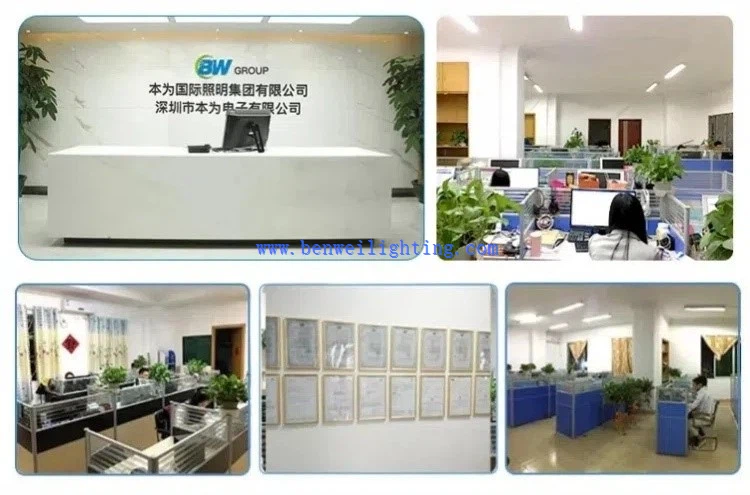
Our firm prides itself on owning its own factory, guaranteeing complete control over the production process and the quality of our goods. We are not only agents; we are manufacturers committed to offering our clients the most competitive rates available. We invite consumers to evaluate our samples first, as we are assured that the quality and pricing of our items are self-evident. Our dedication to excellence and client satisfaction compels us to consistently perform at our best and provide superior quality products.
Our address
3rd Floor, 5th Building, Hebei Industrial Park, Hualian Community, Longhua District, Shenzhen, China





