

Introduction: Necessity and Technical Challenges of Cleaning Wall‑Washing Lights
Wall‑washing luminaires produce uniform vertical illumination that significantly enhances wall texture and spatial layering. However, due to their typical mounting on or near walls, their diffusers and reflectors gradually accumulate dust, grease, and airborne fibers. This accumulation leads to decreased luminous flux, uneven light distribution, and accelerated material aging from localized heat buildup. Common household cleaning methods-such as direct spray of detergents or abrasive wiping-can scratch diffusers, corrode coatings, or create electrical hazards. This article provides a systematic, reproducible cleaning protocol covering power isolation, part disassembly, wet cleaning, dry dusting, and reassembly. The procedure is compatible with most common wall‑washer materials (glass, acrylic, polycarbonate, and metal finishes) and prioritizes both operational safety and material integrity.

Pre‑Cleaning Preparation and Risk Assessment
Tool and Material Checklist
To ensure a non‑destructive and efficient cleaning process, prepare the following specialized items:
| Category | Recommended Materials | Prohibited |
|---|---|---|
| Cleaning agent | Neutral dish detergent (pH 6–8) or dedicated acrylic cleaner | Ammonia, alcohol, bleach, abrasive particles |
| Soft cleaning tools | Microfiber cloth, natural sponge, soft‑bristle toothbrush (used) | Steel wool, nylon brush, rough rag |
| Soaking container | Plastic basin or sink lined with soft cloth | Metal basin (may scratch diffuser edges) |
| Drying tools | Clean microfiber cloth, compressed air can (for crevices) | Heat gun, paper towels (leave lint) |
| Safety gear | Insulated rubber gloves, safety glasses, voltage tester | - |
Environmental and Safety Assessment
Luminaire surface temperature: Allow at least 15–20 min after power‑off before touching to avoid burns or thermal shock cracking.
Mounting height: For lights above 2.5 m, use a stable ladder or scaffold on a dry, slip‑resistant floor.
Electrical environment: Verify correct polarity at the wall switch and that the circuit is protected by an RCD (≤30 mA trip current).
Power Isolation and Electrical Safety Confirmation (Level‑1 Critical Step)
Main Circuit Breaker Operation
Identify the circuit breaker or fuse serving the wall‑wash lights and set it to "OFF". Never rely solely on a wall toggle switch-internal switch faults may leave the circuit energized.
If the luminaire is plugged into a wall outlet, unplug the cord and keep the plug away from water.
Voltage Verification
Use a non‑contact voltage tester or a digital multimeter (AC voltage mode) to confirm zero voltage at:
Metal luminaire housing (if grounded)
Diffuser edge and body connection points
Switch junction box (if exposed)
Proceed only after confirming absence of voltage.
Systematic Removal of the Diffuser Cover
Identifying Fastener Type
| Fastener Type | Typical Features | Removal Procedure |
|---|---|---|
| Screw‑fixed | Visible cross/flat/hex screws | Use matched screwdriver counter‑clockwise; place screws in magnetic parts tray |
| Snap‑clips | No screws, elastic clips around perimeter | Use plastic spudger (or fingernail) to pry evenly; avoid metal tools |
| Magnetic | Magnets embedded in diffuser; pulls off easily | Pull vertically outward from any corner; prevent magnet impact shattering |
| Twist‑lock | Diffuser rotates (e.g., 15°) to release | Rotate per housing markings while pulling downward |
Important: For waterproof wall‑washers (bathroom or outdoor) with gaskets, note the gasket orientation before removal. After cleaning, inspect gasket for hardening or cracks.
Documenting Internal Layout
Before proceeding, take a photo of the interior to record:
Position and quantity of lamps or LED modules
Arrangement of reflectors or lenses
Any removable dust screens or grilles
Soaking and Wet Cleaning of Diffuser
Detergent Preparation Standard
Warm water (30–40 °C) mixed with neutral detergent at 1:500 to 1:1000 dilution; stir until barely foaming.
For acrylic (PMMA) or polycarbonate (PC) diffusers: Never use alcohol or acetone-they cause stress cracking (crazing). Use dedicated plastic cleaner or soft water only.
For glass diffusers: More chemical‑resistant, but avoid high‑alkali cleaners that may corrode frosted or colored coatings.
Soaking Parameters
Soaking time: 3–10 minutes, depending on soil level. Exceeding 15 minutes may cause water ingress into laminated glass or corrode metal edges.
Gently agitate the container during soaking to accelerate grease dissolution.
Soil Removal Technique
Use a sponge or microfiber cloth in linear strokes (not circular) to minimize scratches.
For stubborn deposits in grooves or textured surfaces, use a soft toothbrush dipped in cleaning solution with very light back‑and‑forth action.
Never use blades or any hard scrapers.
Rinsing and Drying Procedure
Rinsing
Use running purified or filtered water (avoid tap water with calcium/magnesium deposits) to thoroughly rinse both sides of the diffuser until no slipperiness remains.
Check all corners-screw counterbores, clip slots-for detergent residue.
Drying Methods
| Drying Method | Suitable Materials | Precautions |
|---|---|---|
| Air drying | All materials | Place tilted on lint‑free cloth in dust‑free area; 30–60 min needed |
| Blotting with soft cloth | Glass or high‑hardness PC | Gently press with microfiber cloth to absorb water; do not wipe |
| Compressed air blow | Complex shapes or gasket grooves | Pressure ≤0.3 MPa, distance ≥15 cm to avoid impact damage |
Strictly prohibited: Microwave, oven, or hairdryer on hot setting-these cause thermal deformation or cracking.
Dry Cleaning of Lamps and Internal Optical Components
Lamps (Replaceable Type)
For halogen, incandescent, or small LED lamps: Gently rotate a dry microfiber cloth over the glass envelope to remove fingerprints and loose dust.
No wet or liquid contact-thermal shock can cause bulb rupture or electrical leakage.
If a bulb is blackened or the filament is aged, replace it with a new bulb of identical wattage and base type while power is off.
LED Modules and Reflectors
Use a low‑static dusting brush or a cotton swab moistened with very little 75% isopropyl alcohol (for metal reflectors only) to carefully remove dust from optical lenses. Do not use alcohol on plastic lenses.
Never touch the LED chip surface or reflective aluminum coating-finger oils cause uneven light distribution and localized overheating.
For stubborn tobacco tar, use an alcohol‑free optical cleaning wipe in a single pass.
Internal Heatsink and Driver Enclosure
Use a vacuum cleaner with soft brush attachment to remove dust from heatsink fins, preserving long‑term thermal performance.
Wipe the driver enclosure surface with a dry cloth only; do not allow liquid near any opening.
Reassembly and Functional Verification
Pre‑Assembly Checks
Diffuser is completely dry and free of lint.
Gasket (if any) is clean and untwisted.
All screws, clips, or magnets are present and undamaged.
Reassembly Operation
Align diffuser with the housing locating slots-insert one side first, then press the other (for snap‑clips) or screw in clockwise (for twist‑lock).
For screw‑fixed types, use a hand screwdriver with torque approximately 0.3–0.5 N·m. Do not overtighten-avoid stripping threads or deforming the diffuser.
Power‑On Test
After ensuring all tools are clear of the luminaire:
Close the circuit breaker or reinsert the plug.
Turn on the wall switch and observe normal illumination without flicker or abnormal noise.
Check for light leakage or uneven gaps around the diffuser edge; readjust if necessary.
Recommended Cleaning Frequency and Long‑Term Maintenance
| Environment Type | Recommended Interval | Additional Measures |
|---|---|---|
| Living room, bedroom (low dust) | Every 6–8 months | Daily dusting with feather duster or electrostatic cloth |
| Kitchen, dining room (grease) | Every 2–3 months | Use stronger degreasing detergent (e.g., 1:300 orange oil cleaner) and extended rinsing |
| Bathroom, basement (high humidity) | Every 4 months | Check gasket aging; keep area ventilated for 2 h after cleaning before powering on |
| Street‑facing or high‑pollution area | Every 3 months | Consider anti‑static coating on diffuser to reduce dust adhesion |
Conclusion
Cleaning wall‑washing luminaires is not merely a "remove – wipe – replace" task; it is a comprehensive maintenance operation involving electrical safety, chemical‑material compatibility, and optical surface protection. Following the step‑by‑step protocol presented here-from power isolation and voltage verification, to type‑specific disassembly, neutral‑detergent soaking, precision dry cleaning, and standardized reassembly-will maximize the prevention of scratches, cracks, water ingress, and electrical incidents, while restoring original luminous efficacy. Users are advised to keep a printed copy of this protocol near the distribution panel and to record cleaning dates and any observed anomalies for long‑term maintenance history. Through scientific upkeep, wall‑washing luminaires can maintain stable performance for 5–10 years, continuously delivering their core value of enriching spatial atmosphere.
About Our Company
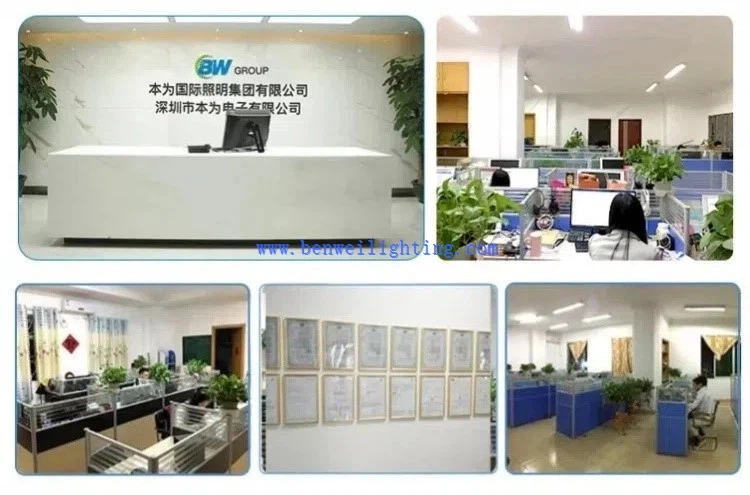
How To Cooperate With Us?
Our firm prides itself on owning its own factory, guaranteeing complete control over the production process and the quality of our goods. We are not only agents; we are manufacturers committed to offering our clients the most competitive rates available. We invite consumers to evaluate our samples first, as we are assured that the quality and pricing of our items are self-evident. Our dedication to excellence and client satisfaction compels us to consistently perform at our best and provide superior quality products.
Our address
3rd Floor, 5th Building, Hebei Industrial Park, Hualian Community, Longhua District, Shenzhen, China





