

If you've been researching red light therapy (RLT) for skin rejuvenation, muscle recovery, or pain relief, you've probably noticed the overwhelming number of devices on the market-from handheld wands and facial masks to full-body panels. With so many options, it's easy to feel confused: How do you tell a high-quality, effective RLT device from a cheap knockoff? The key isn't just picking the most popular brand or the lowest price tag-it's understanding the critical factors that directly impact results. In this guide, we'll break down exactly what to look for when choosing the best red light therapy device for your needs, so you can invest wisely and get the most out of your RLT journey.
Focus on Wavelength: The Foundation of Effective RLT
The most important factor in choosing a red light therapy device is its wavelength-and not all wavelengths are created equal. RLT works by delivering specific light frequencies that penetrate the skin and stimulate mitochondrial function, the "powerhouses" of your cells, to boost energy production and promote healing. The two most clinically proven wavelengths for at-home use are:
660 nm (Red Light): This visible red wavelength penetrates 2–8 mm into the skin's dermal layer, making it ideal for skin health-think reducing fine lines, improving texture, fading sun spots, and stimulating collagen production. It's perfect if your primary goal is anti-aging or skin rejuvenation.
850 nm (Near-Infrared Light): This invisible wavelength penetrates deeper (10–40 mm) into muscles, joints, and tissues, making it best for muscle recovery, reducing chronic pain, and easing inflammation from conditions like osteoarthritis. It's a must-have if you're an athlete or dealing with deep tissue discomfort.
Avoid devices that only offer a single wavelength unless you have a very specific goal. The best devices combine both 660 nm and 850 nm, giving you versatility to address multiple needs-from skin care to pain relief-with one device.
Check Irradiance & Power Density: Avoid Wasting Time on Weak Devices
Irradiance (measured in mW/cm²) refers to how much light energy the device delivers per square centimeter-and it's make-or-break for effectiveness. A device with low irradiance means you'll have to spend hours per session to get results, which most people don't have the patience for. Conversely, a device with too high irradiance (without proper safety features) can cause skin irritation.
For at-home use, look for devices with an irradiance of 50–150 mW/cm². This range balances effectiveness and safety: it delivers enough energy to stimulate cellular repair without overheating the skin. Avoid devices that don't list their irradiance-this is a red flag that the manufacturer is hiding weak performance.
Power density (closely related to irradiance) also matters: higher power density means the device can cover more area or work faster. For example, a full-body panel with 100+ LEDs will have higher power density than a small handheld wand, making it better for full-body treatments.
Consider Treatment Area: Match the Device to Your Goals
Your RLT goals should dictate the treatment area of the device. There's no "one-size-fits-all" here-choosing the right size will save you time and ensure you're targeting the right areas:
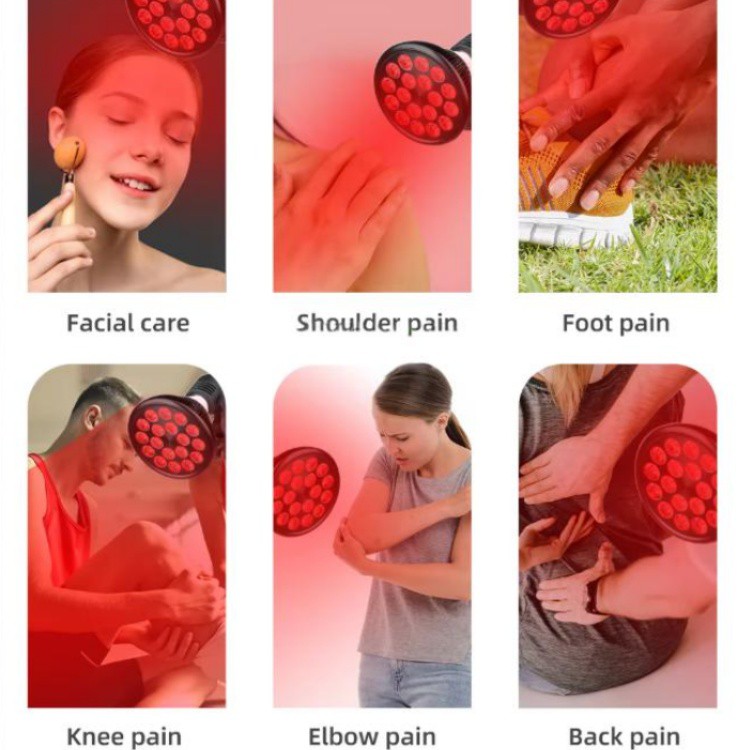
Handheld Wands: Small, portable, and ideal for spot treatments (e.g., acne, small scars, localized pain like a stiff neck). Great for travel but inefficient for full-face or full-body use.
Facial Masks: Designed to cover the face and neck, these are perfect for anti-aging, acne, and skin tone improvement. Look for masks that fit comfortably and cover the entire face (forehead to jawline) for consistent results.
Full-Body Panels: The most versatile option, these large panels can treat your entire body at once-great for muscle recovery, full-body anti-aging, or chronic pain. They're ideal if you want to maximize convenience and results.
Pro tip: If you're unsure, start with a device that matches your top priority (e.g., a facial mask for skin, a panel for recovery) - you can always add a smaller device later for spot treatments.
Prioritize Build Quality & Safety Certifications
A high-quality RLT device should last 5–10 years, so don't cut corners on build quality. Look for devices made with durable materials (e.g., aluminum frames for panels, medical-grade plastic for masks) and LEDs that have a long lifespan (50,000+ hours) [4]. Cheap devices often use low-quality LEDs that dim over time, reducing effectiveness.
Safety certifications are non-negotiable. Look for devices with FDA Class II Medical Device certification and ETL/UL electrical safety certifications [5]. These certifications ensure the device is safe to use, emits the correct wavelengths, and meets strict quality standards. Avoid devices with no certifications-they may emit harmful UV light or inconsistent wavelengths.
Don't Overlook User-Friendliness & Practicality
Even the best RLT device won't help you if you don't use it consistently. Look for features that make daily use easy:
Timer Function: Most effective RLT sessions last 10–20 minutes [7]-a built-in timer ensures you don't overdo it or underdo it.
Adjustable Settings: The ability to switch between wavelengths (660 nm/850 nm) or adjust intensity lets you customize treatments for different needs (e.g., lower intensity for sensitive skin).
Portability & Storage: If you're short on space, choose a foldable panel or compact handheld device. If you plan to use it in multiple rooms, look for lightweight options with easy setup.
User reviews can be helpful here-look for feedback about how easy the device is to set up and use. If multiple reviews mention a confusing interface or flimsy design, it's probably best to avoid that model.
Summary
Choosing the best red light therapy device boils down to 5 key factors: wavelength (prioritize 660 nm + 850 nm), irradiance (50–150 mW/cm²), treatment area (match to your goals), build quality/safety certifications, and user-friendliness. By focusing on these factors, you'll avoid wasting money on ineffective devices and find one that fits your needs-whether you're targeting skin, muscle recovery, or pain relief.
Remember: The best RLT device is the one you'll use consistently. Don't get swayed by fancy marketing or overly high prices-stick to the science and your specific goals.
Still unsure which red light therapy device is right for you? Our team of RLT experts is here to help. Whether you're looking for a facial mask for anti-aging, a full-body panel for recovery, or a handheld wand for spot treatments, we can recommend the best option based on your goals and budget. Contact us today to get a personalized recommendation-let's help you start your journey to healthier skin, less pain, and better recovery with the perfect RLT device.
www.benweilighting.com/professional-lighting/uv-black-light/660nm-red-led-therapy-light.html
Our address
No. 5-3 Niujiao Road, Yanchuan Community, Yanluo Subdistrict, Bao'an District, Shenzhen
benwei10@benweilighting.com






