

Introduction: The Hidden Crisis of LED Track Light Service Life
Market Status of LED Track Light Application
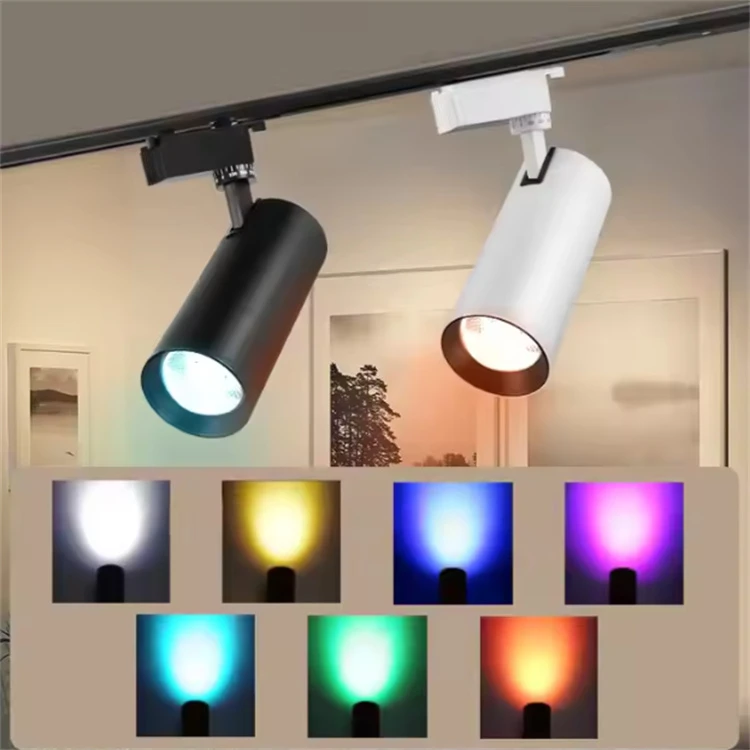
With the upgrading of global commercial lighting and interior decoration standards, LED track lights have replaced traditional halogen track lights and fluorescent spotlights in most application scenarios. Their core advantages of 360° horizontal rotation, 90° vertical angle adjustment, high CRI light output, and flexible track installation make them the preferred choice for commodity display, artwork lighting, and space atmosphere creation. In retail stores, exhibition halls, and clothing boutiques, track lights usually maintain 10–16 hours of continuous daily operation, putting forward extremely high requirements for the long-term stability and durability of lamps.
However, market research shows that a large number of low-cost LED track lights on the market have prominent aging problems after 3,000–5,000 hours of use, including obvious brightness dimming, color temperature deviation, lamp body flickering, and even chip burnout. For commercial users, frequent lamp replacement and maintenance not only increase operating costs but also affect display effects and brand image. For a long time, users have attributed these problems to poor chip quality or unstable driving power, but the core root cause is unreasonable heat dissipation structure design.
Core Misunderstanding of LED Lifespan Cognition
Most merchants mark the lifespan of LED track lights as 50,000 hours or 10 years in product parameters, but this data is tested under laboratory constant temperature and ideal heat dissipation conditions. In actual commercial and home use environments, affected by heat accumulation, the actual service life of most ordinary track lights is only 1/3 or even 1/5 of the theoretical value. Many users mistakenly believe that LED lights generate little heat and have no high-temperature operation risks, ignoring the physical characteristics of LED semiconductor light sources: LEDs only convert 20%–30% of electric energy into visible light, and the remaining 70%–80% of electric energy is converted into heat energy. If the heat cannot be dissipated in time, it will continue to accumulate inside the lamp body, triggering a series of aging chain reactions and completely destroying the long-term use performance of the track light.
Working Principle: The Inherent Correlation Between Heat and LED Track Light Lifespan
Heat Generation Mechanism of COB LED Track Lights
The high-quality track light focused on in this article adopts advanced COB (Chip on Board) integrated light source technology, which is different from traditional SMD patch light sources. The COB light source integrates multiple LED chips on a single aluminum substrate, realizing integrated light emission and uniform heat distribution. Although COB technology optimizes the concentrated heat problem of single-point light sources, high-power concentrated lighting will still generate continuous heat during long-term operation. The core heat-generating components of the track light include the LED chip, constant-current driving power supply, and circuit substrate. Among them, the LED chip junction temperature is the most critical parameter affecting lifespan.
In the closed and narrow internal space of the track light, heat cannot naturally circulate and dissipate. Without professional thermal conduction and heat dissipation structure design, the internal temperature of the lamp body will continue to rise during continuous operation, directly acting on the core semiconductor chip and electronic components, accelerating material aging and performance attenuation.
Junction Temperature: The Core Index Determining Lamp Lifespan
LED chip junction temperature (Tj) refers to the operating temperature of the semiconductor core, which is the core measurement standard for judging LED working status and service life. According to the Arrhenius equation and IES LM-80 international industry test standards, the aging speed and luminous attenuation rate of LED chips are positively correlated with junction temperature changes. Industry authoritative test data confirms a crucial rule: for every 10°C increase in LED junction temperature, the luminous attenuation rate doubles, and the effective service life of the lamp is reduced by nearly 50%.
The standard safe operating junction temperature of commercial LED track lights is below 85°C. When the junction temperature exceeds 105°C, the chip will suffer irreversible damage: the phosphor layer ages rapidly, the semiconductor carrier activity decreases, the luminous flux drops sharply, and the color rendering index and color temperature stability are completely destroyed. For ordinary low-quality track lights with plastic shells and thin iron heat dissipation structures, the internal junction temperature can easily exceed 110°C after 2 hours of continuous operation, leading to rapid light decay and premature failure.
Thermal Aging Chain Reaction of Track Lights
Poor heat dissipation will trigger a progressive aging chain reaction inside the track light, which is the fundamental reason for the sharp shortening of service life. First, high temperature accelerates the aging of the LED chip phosphor layer, resulting in color shift and reduced light uniformity, making the displayed goods and artwork appear distorted in color. Second, high temperature increases the internal resistance of the chip, reduces luminous efficiency, and causes the lamp to become dimmer over time. Third, long-term high-temperature operation will age the electrolytic capacitor of the constant-current driving power supply, resulting in unstable current output, frequent flickering, and intermittent lighting failure. Finally, continuous heat accumulation will accelerate the aging and deformation of internal structural accessories, causing poor contact of the track connector and loose rotation hinge, completely scrapping the lamp in advance.
Comparative Analysis: Heat Dissipation Defects of Ordinary Track Lights VS Premium COB Track Lights
Heat Dissipation Defects of Low-Quality Ordinary Track Lights
Most low-cost track lights on the market pursue low production costs and adopt backward heat dissipation designs, which are unable to adapt to long-term high-load operation scenarios. First, they use plastic shells or ultra-thin iron sheet heat dissipation structures with extremely low thermal conductivity, which cannot conduct internal heat outwards in time, resulting in serious heat accumulation inside the lamp body. Second, the heat dissipation area is small and the structure is single, lacking professional grooved heat dissipation and air convection design, resulting in static internal heat and unable to form effective heat circulation. Third, the light source substrate is made of low-quality aluminum or even non-heat-conducting insulating materials, which cannot transfer chip heat to the shell heat sink efficiently.
Aiming at the aging test of ordinary track lights, after 3,000 hours of continuous operation, the luminous attenuation rate exceeds 20%, the color temperature deviation is greater than 300K, and the effective service life is only 8,000–12,000 hours. In actual commercial use, such lamps need to be replaced frequently, bringing high maintenance costs and poor lighting effects to users.
Professional Thermal Dissipation Design Advantages of Premium COB Track Lights
The high-performance COB track light launched by our brand adopts industry-leading integrated thermal management design, thoroughly solving the heat accumulation pain point of traditional track lights and fundamentally extending the service life of the lamp. First, the whole lamp is made of thickened die-cast aviation-grade aluminum alloy material, which has ultra-high thermal conductivity, 30%–50% higher heat dissipation efficiency than ordinary aluminum and plastic materials, and can quickly conduct the heat generated by the COB chip to the whole lamp body.
Second, the rear of the lamp body adopts an intensive grooved heat dissipation structure, which greatly increases the effective heat dissipation area by more than 60% compared with smooth shell lamps. The grooved structure forms a natural air convection channel, uses the hot air rising principle to realize active heat dissipation, continuously discharges internal heat, and effectively controls the chip junction temperature below 75°C during long-term continuous operation, far lower than the industry safety threshold.
Third, the product adopts an isolated heat dissipation structure design, separating the COB light source heat source from the driving power supply. It avoids the superposition of heat generated by the chip and the power supply, prevents local overheating of key components, and ensures the stable operation of electronic components for a long time. In addition, the high-fit integrated substrate bonding process eliminates the heat conduction gap between the chip and the heat sink, reduces thermal resistance, and realizes zero-delay heat conduction.
Lifespan and Light Attenuation Data Comparison
Based on the same 12-hour daily continuous operation scenario and IES LM-80 standard aging test, the data difference between premium COB track lights and ordinary track lights is extremely obvious. The ordinary track light has a luminous retention rate of only 78% after 3,000 hours of operation, and the lifespan is less than 15,000 hours. In contrast, our premium COB track light maintains a luminous flux retention rate of more than 92% after 25,000 hours of continuous operation, and the effective rated service life reaches 30,000–40,000 hours. The overall service life is 3–4 times that of ordinary products, and the long-term light attenuation is extremely low, realizing long-term stable high-brightness and high-color-rendering lighting output.
Derivative Value of Excellent Heat Dissipation Performance
Long-Term Stability of Lighting Effect
Excellent heat dissipation system ensures that the track light will not have color shift, dimming, and flickering problems during long-term use. For commercial retail and art display scenarios, stable high-CRI light output can truly restore the original color of goods and artworks, improve display grade and customer shopping experience. Low luminous attenuation performance ensures that the lamp can maintain the factory-level lighting effect for many years, avoiding the display quality decline caused by light aging.
Reduction of Later Operation and Maintenance Costs
For enterprise users and commercial space operators, the service life of lamps directly determines the long-term lighting cost. Although low-quality track lights have low upfront purchase costs, frequent replacement, maintenance, and after-sales problems bring high hidden costs. The premium COB track light with excellent heat dissipation performance has ultra-low aging rate and failure rate, which can reduce lamp replacement frequency by more than 70% and save a lot of labor and material maintenance costs for users in the whole life cycle.
Improvement of Product Safety and Durability
Long-term high-temperature operation will accelerate the aging of lamp internal lines and insulating layers, easily causing short circuits, electric leakage, and sparking risks. The professional heat dissipation design controls the operating temperature of the lamp body within a safe range, effectively protecting internal lines, driving power supply, and chip components. At the same time, the low-temperature working environment avoids the aging and deformation of the aluminum alloy shell and rotating hinge structure, ensures the flexibility and firmness of 360° rotation and 90° angle adjustment, and makes the whole lamp have stronger structural durability.
Professional Purchasing Suggestions for LED Track Lights
Prioritize Heat Dissipation Structure and Material
When purchasing LED track lights, users should not only focus on parameters such as power and color temperature but also take heat dissipation performance as the core purchasing standard. It is necessary to prioritize products with die-cast aluminum alloy integrated heat dissipation shells and grooved convection heat dissipation structures, and avoid plastic shells and thin iron sheet heat dissipation products. High-quality heat dissipation materials and structural design are the fundamental guarantee for long service life of track lights.
Focus on Light Source and Heat Isolation Design
COB integrated light source is more suitable for long-term high-load operation than traditional SMD light sources due to uniform heat distribution. At the same time, it is necessary to confirm whether the product adopts heat source isolation design to avoid the mutual influence of chip heat and power supply heat, reduce the overall operating temperature of the lamp body, and further delay component aging.
Verify Official Aging and Lifespan Test Data
Users should prioritize products with official IES LM-80 aging test reports and real luminous attenuation data, rather than believing in exaggerated theoretical lifespan parameters. Real long-term light retention rate data can truly reflect the heat dissipation level and durability of the product, which is the most intuitive basis for judging product quality.
Conclusion
Heat dissipation performance is the core determinant of the service life, stability, and whole-life value of LED track lights, and it is also the essential difference between high-quality commercial lighting products and low-cost inferior products. LED track lights rely on semiconductor chips for light emission, and high temperature is the biggest enemy of LED aging. Poor heat dissipation will trigger a series of problems such as accelerated light attenuation, color shift, component failure, and premature scrapping, which greatly reduce the use value of lighting equipment.
The premium COB LED track light with professional aviation-grade aluminum heat dissipation structure and convection heat dissipation design perfectly solves the industry pain point of heat accumulation. It efficiently controls the chip junction temperature, realizes ultra-low luminous attenuation and ultra-long service life, and maintains stable and high-quality lighting effect for a long time. For commercial lighting engineers, space designers, and end consumers who pursue high cost performance and long-term stability, selecting track light products with excellent heat dissipation performance is the key to realizing low maintenance, high-efficiency, and high-quality lighting solutions. In the long-term use cycle, excellent heat dissipation design can bring higher economic benefits and better user experience, which is the core value of professional commercial lighting equipment.
How To Cooperate With Us?
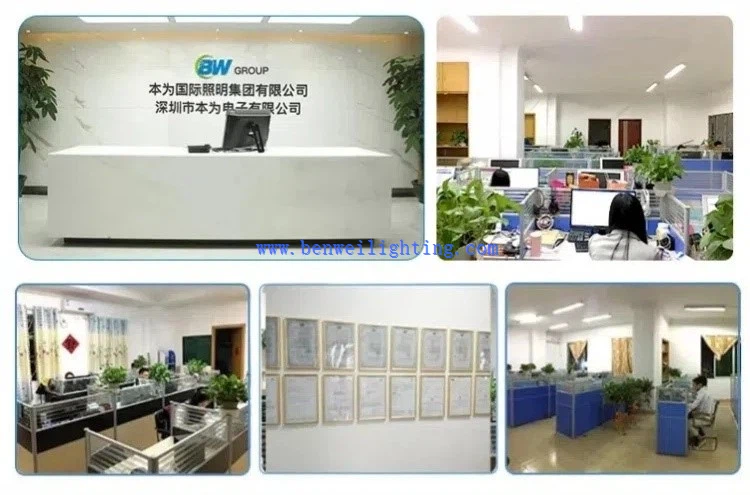
We are happy to have total control over the manufacturing process and the calibre of our products since we have our own facilities. Since we are producers rather than just brokers, we are dedicated to providing our customers with the best pricing. Since we are certain that the price and quality of our products are clear, we invite customers to see our samples first. Our commitment to quality and customer satisfaction drives us to continuously provide top-notch goods.
Our address
3rd Floor, 5th Building, Hebei Industrial Park, Hualian Community, Longhua District, Shenzhen, China





