

Now chicken coop lights are for more than illumination. LED chicken illumination is quietly changing poultry farming. This change is due to precision light control and a deep grasp of poultry's physiological systems.
Biological spectral regulation
Poultry eyes see light differently than humans. Their behavior and endocrine functions are affected by their eyes' wavelength sensitivity. LED technology can produce exact spectra, such as blue-green light to stimulate chicks and feed them, or red light to calm older chickens and affect their reproductive maturity rhythm. It regulates chicken hypothalamic rhythms by light signals, not just brightness. Farmers can precisely intervene in chicken flock growth by using LED lamps with varying spectra.
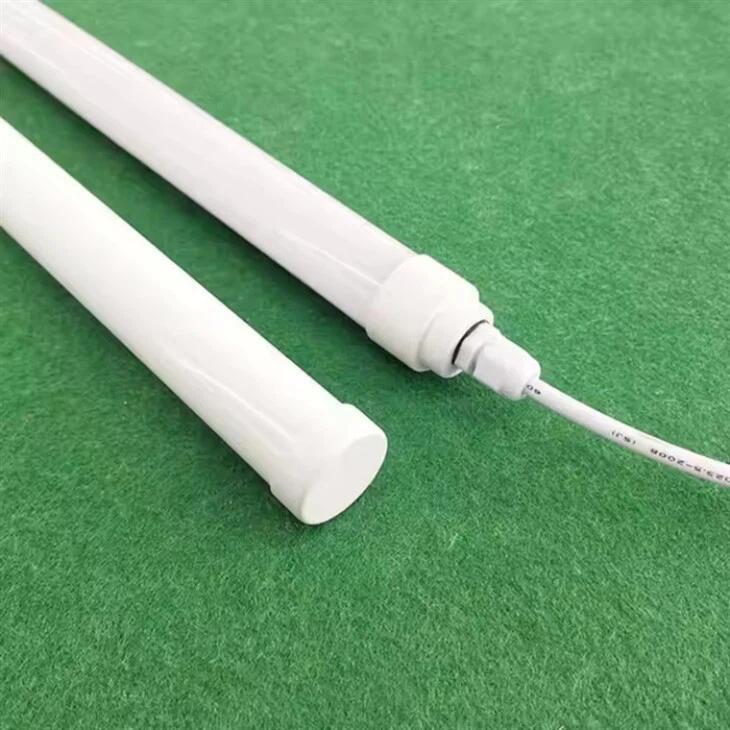
The production benefits of light management
A steady lighting regimen with the right spectrum can boost egg production and feed conversion. In egg-laying chicken production, 14–16 hours of particular spectrum lighting can maintain reproductive system function. LED lighting' customizable capability simulates natural sunrise and sunset, preventing flock stress from rapid light changes. Stress reduction directly reduces feather pecking. LED light's directional irradiation lowers light waste and concentrates energy in the feeding and activity areas, improving flock behavior.
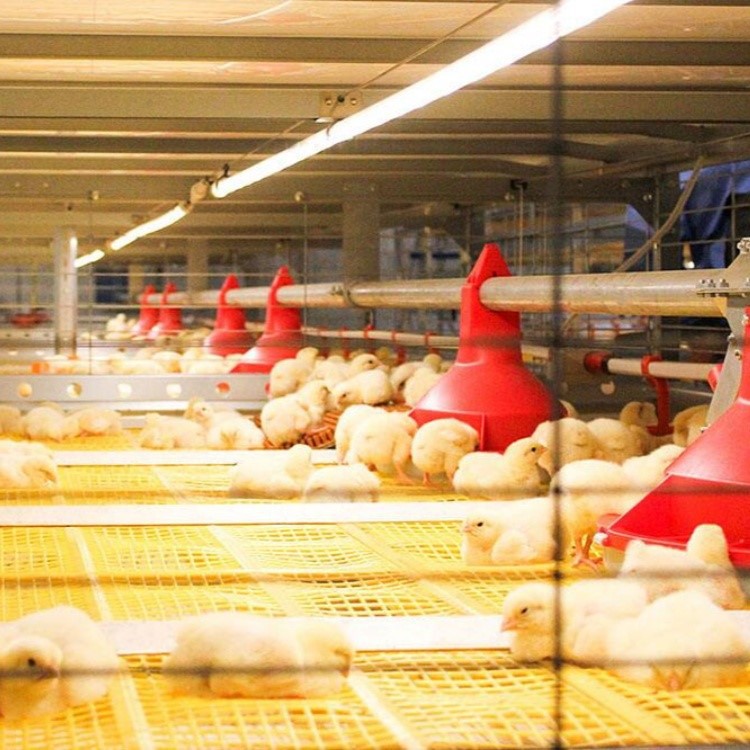
LED chicken-raising lamps symbolize the shift from experience-based to data-driven poultry production. Energy savings of 50% and exceptional environmental control precision make it valuable to farmers. Agriculture becomes more efficient when light is controlled. This transition shows that even in modern agriculture, basic element innovation can optimize the production system.
For more details about our offerings, please contact us at bwzm18@ledbenweilighting.com.
FAQ
Q: How do LED chicken-raising bulbs outperform incandescent and fluorescent lamps?
A: The main benefits are precise spectrum regulation, energy savings, and long service life. LED lamps emit a spectrum tailored for fowl visual and physiological properties, affecting feeding, growth, and egg-laying. LED lamps may run for over 30,000 hours and use 50% less electricity than traditional lamps at the same brightness, lowering operating costs and replacement frequencies.
Q: Why is spectrum crucial for chicken farming? The color temperature of light is chosen how?
A: Poultry eyes see light differently. Specific spectra directly regulate pituitary gland hormone output, affecting sexual maturity, egg production, and daily behavior. For instance, cool-toned light (rich in blue-green light, with a higher color temperature like 5000K - 6500K) can stimulate chicks and broilers, while warm-toned light (rich in red light, with a lower color temperature like 2700K - 3000K) helps laying hens relax and maintain peak egg production. Modern LED chicken lighting lets farmers choose or alter the spectrum for each chicken's growth stage.





