Introduction to Operational Lifespan of UV Germicidal Lamp Bulbs
Functional Value and Operational Characteristics of UV Disinfection Bulbs
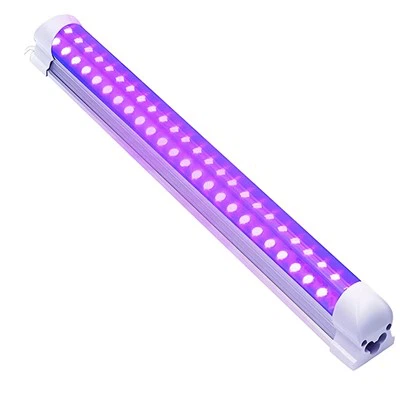
Ultraviolet germicidal lamp bulbs are core functional components of physical disinfection systems, widely deployed in residential interiors, commercial office spaces, medical environments and public sanitation areas. By emitting effective UVC-band ultraviolet radiation, qualified UV bulbs destroy the genetic structure of bacteria, viruses and fungi, achieving non-residual physical sterilization, air purification and surface sanitization. Unlike conventional decorative lighting bulbs that take luminous brightness as the main performance index, UV germicidal bulbs take ultraviolet radiation intensity and microbial inactivation efficiency as core operational indicators. With continuous electrified operation, internal lamp tube materials and electronic components will produce natural aging attenuation, leading to gradual decline of germicidal performance. Timely replacement and standardized maintenance are critical prerequisites to sustain long-term and stable disinfection efficacy of UV lamp systems.
Necessity of Scientific Replacement Cycle Management
Most users judge the service state of UV bulbs merely by visible luminous phenomena, which easily leads to delayed replacement and potential disinfection failure. After long-term operation, UV bulbs can still maintain visible blue-white light emission, but their internal ultraviolet radiant energy will decay significantly, resulting in insufficient germicidal dose and incomplete microbial inactivation. Long-term service of aging UV bulbs will not only reduce indoor sanitation level but also induce potential safety risks such as tube cracking and circuit short circuit. Therefore, establishing standardized replacement cycle specifications and systematic maintenance mechanisms is essential to guarantee the operational effectiveness and safety of UV disinfection equipment.
Research Framework and Core Research Objectives
This paper systematically analyzes multi-dimensional influencing factors affecting the actual service lifespan of UV germicidal bulbs, sorts out the standard replacement cycle range of mainstream commercial UV bulbs, summarizes intuitive aging failure characteristics for user identification, and proposes targeted daily maintenance optimization strategies. The research aims to provide scientific quantitative criteria and operable technical guidelines for users to realize standardized replacement and efficient maintenance of UV lamp bulbs, so as to maintain continuous disinfection performance and extend the comprehensive service life of UV disinfection systems.
Multi-Dimensional Influencing Factors of UV Lamp Bulb Service Lifespan
Product Quality and Industrial Manufacturing Standards
Factory manufacturing quality is the decisive intrinsic factor determining the theoretical lifespan of UV lamp bulbs. High-grade industrial-grade UV bulbs adopt high-purity vacuum quartz glass tubes and high-stability tungsten filament electrodes, with precise internal gas filling ratio and sealed packaging technology. Such standardized products feature stable ultraviolet radiation output, slow light attenuation rate and long theoretical service cycle. In contrast, low-cost inferior UV bulbs use ordinary glass materials and simplified production processes, with uneven internal components and poor sealing performance. These defective products are prone to early luminous attenuation, tube oxidation and air leakage, resulting in greatly shortened effective service life and unstable disinfection performance.
Daily Operating Frequency and Usage Habits
Manual usage modes and cumulative operating duration directly affect the actual aging speed of UV bulbs. Frequent short-time startup and shutdown will cause instantaneous current impact on internal electrodes, accelerating electrode loss and shortening effective lifespan. Continuous long-hour overload operation will lead to excessive temperature accumulation inside the lamp tube, aggravating material fatigue and radiation attenuation. Standardized intermittent operation with reasonable startup interval can effectively reduce component loss and maintain stable working state of UV bulbs, while irregular random usage will significantly increase bulb failure probability.
External Environmental Operating Conditions
Indoor environmental temperature, humidity and air cleanliness constitute external interference factors for UV bulb lifespan. High-humidity closed environments easily cause moisture erosion on lamp tube joints and electrode parts, inducing metal oxidation and poor contact. Excessively high or low ambient temperature will deviate from the optimal working temperature range of UV bulbs, reducing photoelectric conversion efficiency and accelerating aging. In addition, dusty and oil-fume polluted environments will cause continuous contaminant accumulation on bulb surfaces, affecting heat dissipation efficiency and accelerating local material aging, thus indirectly shortening the overall service cycle of UV germicidal bulbs.
Quantitative Calibration of Standard Replacement Cycle for UV Lamp Bulbs
Conventional Replacement Cycle of Ordinary Commercial UV Bulbs
Based on industrial test data and manufacturer unified specifications, ordinary civilian UV germicidal bulbs with conventional quality standards have a standardized effective service cycle of 9 to 12 months under daily standardized intermittent use. Within this cycle, the ultraviolet radiation intensity of the bulb can be maintained above 80% of the initial rated value, which meets the conventional indoor microbial inactivation dose standard. After exceeding 12 months, the internal radiation attenuation speed increases exponentially, and the effective germicidal rate drops significantly, failing to meet daily sanitization requirements, thus requiring mandatory replacement.
Extended Service Cycle of High-Quality Brand UV Bulbs
High-end brand industrial-grade UV bulbs with optimized material formulas and precision manufacturing processes have outstanding anti-aging performance and stable radiation output capability. Under standardized usage and complete daily maintenance, the effective service lifespan can reach 18 to 24 months. Such high-spec bulbs maintain more than 85% stable ultraviolet output in long-term operation, with low attenuation rate and long replacement cycle, which are suitable for high-frequency continuous disinfection scenarios such as commercial spaces and medical environments.
Manufacturer Calibration Standard and Installation Record Management
The theoretical lifespan marked by official manufacturers is the most authoritative replacement basis for UV bulbs. Users shall establish independent UV equipment usage ledgers, accurately record the installation date, daily startup duration and cumulative service time of each bulb. It is necessary to strictly follow the official recommended replacement cycle instead of relying on subjective visual judgment. Regular cycle replacement according to official standards can fundamentally avoid disinfection failure caused by performance attenuation of aging bulbs and ensure long-term stable operation of UV disinfection systems.
Visual Failure Characteristics and Emergency Replacement Judgment Criteria
Attenuation of Luminous and Radiation Performance
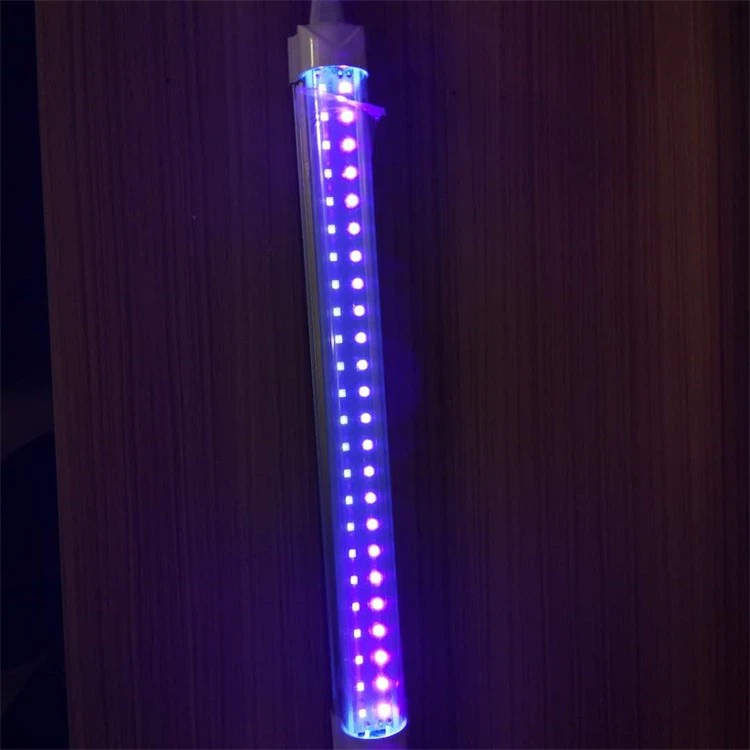
Insufficient and inconsistent luminous output is the core early warning signal of UV bulb aging failure. When the bulb shows dim luminous brightness, intermittent flickering and unstable light emission during startup, it indicates that internal electrode aging and radiation attenuation have occurred. Even if the bulb can light up normally, its effective UVC germicidal radiation dose has been severely reduced, resulting in incomplete sterilization and reduced purification efficiency, which belongs to the key replacement early warning state.
External Structural Damage and Abnormal Discoloration
Structural damage and surface discoloration are intuitive failure signs requiring immediate replacement. Long-term thermal accumulation and environmental erosion will cause yellowing, blackening and oxide precipitation on the lamp tube surface. In severe cases, fine cracks, tube body deformation and sealing interface damage will appear. Damaged UV bulbs have poor internal airtightness, which leads to rapid failure of radiation performance. Meanwhile, structural cracks will induce electric leakage, tube burst and other safety hazards, requiring immediate shutdown replacement to eliminate potential risks.
Daily Maintenance Strategies for Lifespan Extension and Efficacy Stabilization
Regular Surface Cleaning and Contaminant Removal
Dust, floating fibers and oil fume contaminants accumulated on the surface of UV bulbs will form opaque barrier layers, reducing ultraviolet transmittance and blocking normal heat dissipation of the lamp tube. Long-term uncleaned contamination will lead to decreased luminous efficiency, uneven heat distribution and accelerated local aging. Users need to carry out regular power-off cleaning, use dry lint-free soft cloth to wipe the lamp tube surface thoroughly, completely remove surface attachments, maintain maximum ultraviolet penetration efficiency and stable heat dissipation performance, so as to sustain the germicidal efficacy and delay bulb aging speed.
Standardized Operating Habit Optimization
Optimizing daily operating rules is an effective invisible maintenance measure. Avoid frequent instantaneous startup and shutdown operations to reduce current impact loss of internal electrodes. Match reasonable single disinfection duration according to space area, avoid long-term uninterrupted overload operation. Maintain dry and clean operating environment, reduce high-temperature and high-humidity working conditions, and minimize external environmental erosion damage to UV bulbs.
Regular Performance Inspection and State Monitoring
Establish periodic inspection mechanism to regularly check the luminous state, surface structure and wiring stability of UV bulbs. Timely discover early aging phenomena such as light flickering, dimness and local discoloration, and arrange replacement in advance. Cooperate with installation record ledger management to realize predictive replacement before the end of the effective lifespan, ensuring zero attenuation of long-term disinfection performance.
Conclusion
Core Research Summary
The effective service lifespan and replacement cycle of UV germicidal lamp bulbs are jointly determined by product manufacturing quality, daily operating habits and external environmental conditions. Ordinary standard UV bulbs have a scientific replacement cycle of 9 to 12 months, while high-quality industrial-grade bulbs can extend the effective service life to 18 to 24 months. Visible light attenuation, unstable luminescence, tube discoloration and structural cracks are key failure features that require immediate replacement. Standardized daily cleaning, optimized operating habits and complete usage record management can effectively delay bulb aging, stabilize ultraviolet germicidal performance and extend comprehensive service life.
Practical Application Suggestions
To maintain optimal disinfection efficacy and operational safety of UV lamp systems, users shall take the manufacturer's official lifespan standard as the core basis, establish complete installation and usage records, and implement regular cycle replacement. Combined with standardized daily maintenance and real-time operating state monitoring, users can avoid disinfection failure and potential safety hazards caused by aging and failed UV bulbs. Scientific replacement and maintenance management can not only ensure efficient physical sterilization and indoor environmental purification effect, but also maximize the service value of UV germicidal bulbs, realizing long-term stable and safe operation of indoor disinfection systems.

How To Cooperate With Us?
Having its own factory gives our firm complete control over the production process and the quality of our goods, which we take great pride in. We are manufacturers, not only brokers, committed to offering our clients the lowest costs. We invite consumers to evaluate our samples first since we are certain that the cost and quality of our items are evident. Our dedication to excellence and client happiness motivates us to consistently provide superior products.
Our address
3rd Floor, 5th Building, Hebei Industrial Park, Hualian Community, Longhua District, Shenzhen, China