

Introduction: The Core Value of Slow Light Degradation for LED Downlights
The Practical Hazards of Fast Light Degradation in Traditional Downlights
In the current indoor lighting market, many low-priced recessed LED downlights adopt simplified structural design, inferior chip materials, and non-standard driving solutions to reduce production costs. Such products often have extremely fast luminous attenuation speed in actual operation. After 10,000–20,000 hours of cumulative use, their luminous flux will drop sharply by more than 40%, accompanied by obvious problems such as light yellowing, local dark spots, and stroboscopic flickering. For commercial spaces such as shopping malls, office buildings, and hotels that require long-term continuous lighting, fast light degradation will directly lead to the decline of overall lighting environment quality, failure to meet national and international commercial lighting illuminance standards, and affect customer experience and office comfort. For residential users, fast light decay means frequent lamp replacement, troublesome disassembly and installation, and invisible increase in household lighting costs. In addition, severe light degradation is often accompanied by increased power consumption and heat loss, forming a vicious cycle of "dimmer light, higher energy consumption, faster aging", which greatly shortens the overall service life of lamps.
The Industrial Significance of Slow Light Degradation Lighting Technology
Slow light degradation is not a single parameter optimization, but a comprehensive performance improvement of LED downlights in terms of light source, heat dissipation, drive, structure, and protection. High-quality recessed LED downlights with slow light decay can maintain ultra-high lumen retention rate in long-term continuous operation, realize long-term stable output of brightness, color temperature, and color rendering, and effectively avoid lighting quality attenuation caused by lamp aging. For engineering procurement and bulk purchasers, slow light decay products can reduce later maintenance and replacement costs by more than 70%, improve the overall durability of lighting projects, and extend the service cycle of engineering lighting systems. For terminal users, it ensures long-term consistent lighting effects, realizes energy-saving and low-loss operation, and achieves the dual goals of stable lighting and cost savings. Therefore, mastering the selection logic of slow light degradation recessed LED downlights is the key to purchasing high-value, long-life, and high-stability indoor lighting products.

The Working Principle and Root Causes of LED Downlight Light Degradation
Basic Definition of LED Luminous Degradation
LED light degradation refers to the irreversible gradual attenuation of luminous flux of LED light sources after long-term electrical operation. Different from the sudden damage and burnout of traditional incandescent lamps and energy-saving lamps, LED light decay is a slow aging process. The industry uniformly uses L-value standards to measure the light decay performance of lamps, among which L70 and L80 are the most authoritative evaluation indicators. L70 means that the lamp can maintain more than 70% of the initial luminous flux after the rated working hours, and L80 means that the lumen retention rate is higher than 80%. The slower the light degradation speed, the higher the lumen retention rate, the longer the effective service life of the lamp, and the more stable the lighting performance. Ordinary inferior downlights often fail to reach the L70 standard after 20,000 hours, while high-quality slow-decay downlights can maintain L80 ultra-high lumen retention rate for a long time.
Core Factors Causing Accelerated Light Degradation
The light degradation of recessed LED downlights is mainly caused by three core factors: chip aging, overheating damage, and driving instability. First, inferior LED chips have low luminous efficiency and poor anti-aging ability. The crystal structure is easy to age and damage under long-term current impact, resulting in reduced light output and accelerated light decay. Second, heat accumulation is the biggest killer of LED light sources. LED chips will generate a lot of heat during operation. If the heat dissipation structure is unreasonable and heat cannot be exported in time, the long-term high-temperature working environment will accelerate the aging of chips and packaging glue, directly leading to sharp attenuation of luminous flux. Third, the non-isolated inferior driver has unstable current and voltage output. Voltage fluctuation and current surge will cause frequent impact on LED chips, resulting in continuous damage to chip performance and gradual acceleration of light decay speed. In addition, poor dust-proof and anti-corrosion performance of lamps will cause dust and moisture to invade the interior, affect heat dissipation and circuit stability, and indirectly aggravate light degradation.
Key Selection Standards for Slow Light Degradation Recessed LED Downlights
High-Quality SMD Chip Configuration: The Foundation of Slow Light Decay
The light source chip is the core component that determines the light degradation performance of LED downlights. High-performance slow-decay recessed downlights must adopt high-quality SMD 2835 professional lighting chips, which have the advantages of high luminous efficiency, pure light color, strong anti-aging ability, and stable photoelectric performance. Different from low-cost inferior chips with uneven crystal particles and poor heat resistance, high-quality SMD chips are precisely packaged with high-purity silica gel, which can effectively resist current impact and high-temperature aging. In terms of performance data, qualified slow light decay chips can ensure that the lumen retention rate remains above 92% after 3,000 hours of continuous operation, and the light decay is controlled within 30% even after 50,000 hours of long-term use, far exceeding the industry average level. At the same time, this type of chip has excellent color rendering stability, with no obvious color temperature drift and color deviation in the whole life cycle, ensuring consistent lighting effect. When purchasing, users must focus on confirming the chip model and luminous attenuation parameters, and avoid choosing products with unknown light sources and unmarked decay data.
Die-Cast Aluminum Integrated Heat Dissipation Structure: The Core of Controlling Light Decay
Heat dissipation performance is the decisive factor affecting the light decay speed of LED downlights, and more than 80% of accelerated light degradation of lamps is caused by poor heat dissipation. Excellent slow light decay downlights adopt thickened integrated die-cast aluminum heat sink structure, which is different from the thin stamping aluminum and plastic composite heat dissipation structure of ordinary inferior products. The integrated die-cast aluminum forms a dense and efficient heat conduction network, which can quickly export the heat generated by LED chips and drivers to the outside of the lamp body, effectively reducing the internal working temperature of the lamp. The high thermal conductivity of aluminum material ensures that the temperature difference inside and outside the lamp body is controlled within a reasonable range, avoiding chip aging and luminous attenuation caused by long-term high-temperature operation. This structural design can reduce the working temperature of the light source by 15–20℃ compared with ordinary downlights, fundamentally delay the aging speed of LED chips and packaging materials, and realize ultra-low light decay operation. In addition, the integrated die-cast aluminum structure has high structural strength, anti-oxidation and anti-corrosion, and will not deform or fail after long-term use, ensuring long-term stable heat dissipation effect.
Isolated Wide-Voltage Stable Driver: The Guarantee of Long-Term Low Decay
The driving system is the power control core of LED downlights, and unstable drive is an important invisible cause of accelerated light decay. High-quality slow light degradation recessed downlights are equipped with professional isolated wide-voltage drivers, supporting 85–265V global universal voltage input, adapting to complex voltage environments in different regions and engineering scenarios. The built-in intelligent IC constant-current control circuit can output stable and constant current, avoid current surge and voltage fluctuation impact on LED chips, and ensure that the light source works in a safe and stable electrical state for a long time. Compared with non-isolated drivers that are prone to stroboscopic, overheating and burnout, isolated drivers have lightning protection and anti-interference functions, low power loss, high power factor, and no reactive power waste. It can effectively avoid chip performance damage caused by electrical instability, greatly reduce the light decay rate caused by electrical problems, and lay a solid foundation for long-term stable lighting of lamps. At the same time, the driver has ultra-low heat generation, which will not cause additional heat accumulation inside the lamp, further cooperating with the heat dissipation system to control light degradation.
Professional Protection Grade and Structural Optimization: Auxiliary Anti-Decay Design
Structural protection and mechanical design are important auxiliary factors to maintain slow light decay of downlights. High-quality slow-decay recessed LED downlights reach IP40 professional dust-proof protection level, which can effectively block solid foreign objects and dust larger than 1mm from entering the lamp body. Long-term dust accumulation inside the lamp will block the heat dissipation channel, cause heat accumulation, and accelerate chip aging and light decay. IP40 dust-proof design keeps the internal heat dissipation structure and light source cavity clean at all times, ensures unobstructed heat conduction, and avoids luminous attenuation caused by dust pollution. In terms of optical structure, the nano light-conducting panel is adopted to realize uniform light output, reduce light energy loss, and avoid local overheating caused by uneven light concentration. The upgraded reinforced spring buckle structure ensures stable embedded installation, firm clamping, no loose falling off, and avoids lamp body displacement and circuit failure caused by mechanical vibration, ensuring long-term stable operation of the lamp and indirectly delaying light degradation.
Performance Advantages and Practical Value of High-Performance Slow Light Decay Downlights
Ultra-Long Service Life and Ultra-Low Maintenance Loss
Benefiting from high-quality chips, efficient heat dissipation, stable drive and professional protection design, high-performance slow light decay recessed LED downlights achieve a rated service life of up to 50,000 hours. Calculated by daily use, it can maintain stable lighting for more than 10 years, which is 3–5 times the service life of ordinary downlights. In the whole life cycle, the lumen retention rate is always maintained at a high level, with no obvious brightness attenuation and color shift. For commercial engineering projects and large-scale building lighting, this ultra-long life and slow decay performance can completely solve the pain points of frequent lamp replacement and high maintenance costs of traditional downlights, greatly reduce the later operation and maintenance investment of lighting projects, and improve the overall economic benefit of lighting systems. For residential users, it realizes one-time installation and ten-year stable use, eliminating the trouble of frequent replacement and installation.
Low Energy Loss and High Energy-Saving Benefit
Slow light decay design is also accompanied by excellent low energy consumption performance. High-quality LED light sources convert more than 85% of electric energy into visible light energy, and the heat energy loss is extremely low, which is far better than incandescent lamps and ordinary energy-saving lamps. Ordinary downlights with fast light decay need to increase power or add lamps to compensate for brightness attenuation in the later stage, resulting in secondary energy consumption waste. Slow light decay downlights maintain stable luminous efficiency in the whole life cycle, no need for power compensation, and can save more than 75% of electricity bills compared with traditional lighting products. While ensuring long-term stable lighting effect, it realizes efficient energy saving and low loss, conforms to green building energy-saving standards, and has high practical value for energy-saving renovation of various buildings.
Stable Lighting Quality and High Scene Adaptability
Slow light decay downlights have always maintained excellent lighting quality in long-term use. The nano light-conducting panel realizes soft and uniform light output, no glare, no hot spots, no stroboscopic flicker, effectively protecting human eye health. High-color-rendering chips ensure accurate color restoration, no color temperature drift and color distortion after long-term use, and are suitable for high-demand lighting scenes such as commercial display, hotel guest rooms, office lighting, and home decoration. Whether it is long-term continuous lighting in commercial spaces or intermittent daily lighting in families, it can maintain consistent and high-quality lighting effects, avoid the decline of space decoration grade and lighting experience caused by lamp aging and light decay, and greatly improve the overall quality and durability of indoor lighting systems.
Practical Purchasing and Use Suggestions for Slow Light Degradation Downlights
Avoid Low-Price Inferior Products and Focus on Core Decay Resistance Parameters
In the market competition, many low-priced downlights attract consumers with low prices, but they cut corners in chip quality, heat dissipation structure, and driver configuration, resulting in serious light decay problems. When purchasing slow light degradation recessed LED downlights, users should not only focus on the initial brightness and price, but take lumen retention rate, service life, heat dissipation structure, driver type, and protection grade as the core evaluation standards. Prioritize products with clear L80 light decay certification, 50,000-hour long-life marking, integrated die-cast aluminum heat dissipation, and isolated wide-voltage drive, which can fundamentally avoid the risk of fast light decay.
Match Installation Scenarios to Optimize Long-Term Decay Resistance
Different installation scenarios have different requirements for lamp light decay performance. For closed ceiling spaces and long-term continuous lighting commercial scenes, it is necessary to select high-standard die-cast aluminum heat dissipation and IP40 dust-proof products to avoid heat accumulation and dust accumulation accelerating light decay. For residential daily lighting scenes, stable slow decay products can reduce household maintenance costs and ensure long-term comfortable lighting. At the same time, standard installation must be carried out according to the product specifications to avoid installation errors such as excessive ceiling clamping and blocked heat dissipation channels, so as to ensure that the lamp gives full play to slow light decay performance.
Regular Simple Maintenance to Extend Anti-Decay Service Life
Although high-quality slow light decay downlights have ultra-high stability, daily simple maintenance can further delay aging and extend service life. Regularly clean the surface dust of the lamp body to keep the heat dissipation channel unobstructed; avoid long-term overvoltage operation of the lamp; regularly check the circuit connection stability to avoid current fluctuation. Simple daily maintenance can maintain the optimal working state of the lamp, make the slow light decay performance more durable, and maximize the service value of the product.
Conclusion
Slow light degradation is the core embodiment of the high quality and long-term value of recessed LED downlights, and it is also the key index to distinguish high-end durable lighting products from inferior disposable products. The light decay speed of downlights is comprehensively determined by chip quality, heat dissipation structure, driving performance, and structural protection. High-quality slow light decay recessed LED downlights adopt high-performance SMD chips, integrated die-cast aluminum efficient heat dissipation system, isolated wide-voltage stable driver, and IP40 professional dust-proof structure, which fundamentally solve the problem of rapid luminous attenuation of traditional downlights. It has ultra-long 50,000-hour service life, ultra-low energy loss, long-term stable lighting quality, and extremely low later maintenance cost, which can meet the long-term and high-standard lighting needs of residence, commerce, engineering and other scenarios. In the selection process, users should abandon the single price-oriented purchasing concept, focus on the core anti-light-decay configuration and performance parameters, and select professional and reliable slow light degradation downlights, so as to realize long-term stable, energy-saving and high-value indoor lighting, and create a durable and high-quality lighting environment.
How To Cooperate With Us?
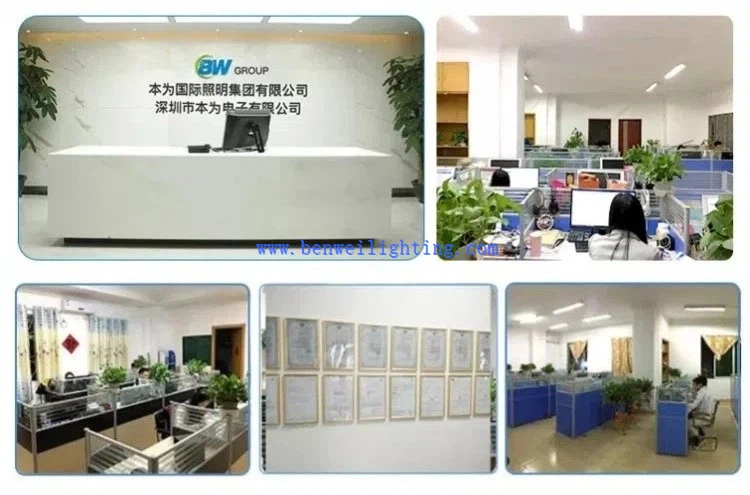
Since we have our own facilities, we are pleased to have complete control over the production process and the quality of our goods. We are committed to giving our clients the finest prices since we are manufacturers rather than just brokers. We encourage buyers to see our samples first since we are certain that the cost and calibre of our items are transparent. Our dedication to excellence and client happiness motivates us to consistently provide superior products.
Our address
3rd Floor, 5th Building, Hebei Industrial Park, Hualian Community, Longhua District, Shenzhen, China





