

Introduction: The Unpredictable Nature of Modern Storms
Severe weather events are no longer a rare anomaly; they are becoming a stark reality of our changing climate. From unprecedented hurricanes and crippling ice storms to sudden, violent thunderstorms that knock out local power grids for days, the modern home faces unprecedented environmental threats. When a severe weather warning is issued, the immediate instinct for any responsible homeowner is to rush to the grocery store for bottled water and non-perishable food. However, in the frantic scramble to secure basic sustenance, the most critical element of disaster preparation is frequently overlooked: reliable, sustainable illumination.
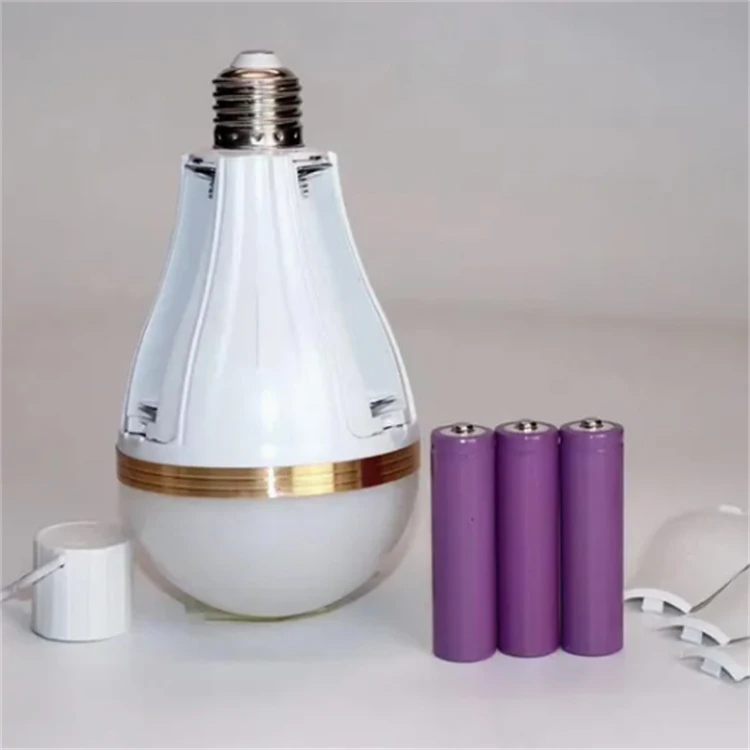
When the grid collapses and your neighborhood is plunged into absolute darkness, you are not just losing the convenience of flipping a switch. You are losing safety, security, and the ability to navigate your own home. Candles and traditional flashlights are relics of a bygone era, inadequate to handle the multifaceted challenges of a modern blackout. This is where the paradigm shifts. By integrating advanced technology with practical disaster planning, a new standard in emergency preparedness has emerged. The ultimate solution lies in a single, transformative device: the rechargeable LED emergency bulb. Specifically, when preparing your home for the worst, you need to focus on a comprehensive checklist centered around the reliability of a 3-battery emergency bulb system.
This article serves as your definitive, professional guide to severe weather preparedness. By the end of this comprehensive checklist, you will understand not only why traditional lighting fails, but how a sophisticated 18W rechargeable LED emergency bulb-equipped with a robust 3-battery power system-is the most critical investment you can make for your family's safety.
The Critical Flaw in Traditional Emergency Lighting
To understand the necessity of an advanced emergency bulb, we must first analyze the inherent failures of conventional lighting sources during a crisis. When the power goes out, many households default to candles. While culturally romanticized, open flames pose a severe fire hazard, particularly during a storm when windows may be broken, drafts are prevalent, and the use of water for other purposes is common. Furthermore, a candle provides extremely poor luminous efficacy, creating dim, flickering shadows that strain the eyes and offer no real safety, especially if you need to navigate stairs or tend to a frightened child.
Flashlights, while safer than open flames, present their own logistical nightmares. They are notorious for being misplaced precisely when needed most. They require specific batteries that are often dead because they have been sitting in a drawer for two years. More importantly, flashlights require at least one hand to operate. During a severe weather event, you need both hands free to secure windows, gather supplies, or carry children.
Finally, standard household light bulbs are completely useless without grid electricity. They offer zero contingency. Therefore, the foundational step in your severe weather preparation checklist is to bridge the gap between everyday lighting and emergency illumination. You need a device that functions flawlessly as an everyday bulb but seamlessly transitions into a high-powered, independent light source the moment the power dies. This is precisely where the rechargeable LED emergency bulb enters the equation, fundamentally altering how we approach residential disaster planning.
Why the 3-Battery System is the Gold Standard for Blackouts
When evaluating emergency lighting, capacity is king. The difference between surviving a short-term power flicker and enduring a multi-day, grid-down catastrophe comes down to battery capacity and power management. While some emergency bulbs on the market utilize 2-cell battery configurations, a 3-battery emergency bulb system represents the pinnacle of disaster resilience.
The logic behind this is both simple and profound: more power equates to longer runtimes and sustained brightness. When a severe ice storm knocks out power for five days, a 2-battery system might leave you completely in the dark by the third night. A 3-battery configuration, however, provides the extended operational window necessary for long-term survival. This is not just about keeping the lights on; it is about maintaining psychological morale during a crisis. Darkness breeds fear and anxiety; sustained light breeds hope and order.
Furthermore, the 3-battery emergency bulb system offers unparalleled operational flexibility. Because these premium systems are designed with a replaceable battery compartment, you are not limited by a sealed, proprietary internal battery that degrades over time. You can store additional standard batteries (based on the system's specifications) alongside your emergency kit. If a storm approaches, you simply ensure your 3-battery setup is fully charged. If the storm lingers beyond expectations, you can easily swap in fresh batteries to continue illuminating your home. This modular approach to energy security is what separates professional-grade preparedness from amateur planning.
The Ultimate 3-Battery Emergency Bulb Checklist: Performance and Capabilities
Once you have committed to upgrading your emergency kit with a 3-battery system, you must evaluate the specific performance metrics of the bulb itself. A professional-grade emergency bulb is not merely a battery backup; it is a sophisticated piece of technology. When building your checklist, pay close attention to the following crucial elements, which our 18W Rechargeable LED Emergency Bulb perfectly embodies.
First, evaluate the luminous efficacy and light quality. You need an 18W high-intensity LED chipset. This provides an incredibly bright, powerful light that can illuminate an entire room, not just a small corner. However, brightness should not come at the cost of eye safety. A superior bulb will feature a high-transmittance PC lampshade. This advanced polycarbonate material diffuses the light, ensuring it is soft, comfortable, and completely free from the harsh glare that causes eye strain, even after hours of continuous use. The light must be bright enough to read by, prepare food by, and administer first aid by, yet gentle enough not to cause headaches in confined spaces.
Second, examine the interaction design. In a true emergency, panic and disorientation are your enemies. Fumbling for a small power button in the pitch black is a significant design flaw. The most advanced emergency bulbs utilize an intuitive touch-sensitive lamp holder. Simply touching the base of the bulb instantly activates the light. This touch technology is not just a luxury; it is a vital safety feature. It allows you to reach out in the dark and instantly summon light, providing immediate reassurance and visibility.
Third, consider the socket compatibility and power supply. A severe weather event does not discriminate based on your home's wiring. A versatile emergency bulb must offer universal compatibility, featuring both E27 and B22 base options. Crafted with high-conductivity aluminum nickel-plated material, the base ensures a secure, reliable connection to your existing fixtures, preventing flickering or connection drops. During normal times, it operates as a standard everyday bulb. The moment the grid fails, the internal IC driver instantly switches to the 3-battery power supply, providing seamless, uninterrupted illumination.
Finally, assess the multi-functionality of the design. A true survival tool must adapt to any environment. The inclusion of a durable hanging hook transforms the bulb from a stationary ceiling light into a portable, high-powered camping lantern. Whether you are evacuating to an attic, setting up a makeshift shelter in a tent, or navigating an outdoor perimeter to check for storm damage, the multi-use capability of a single lamp ensures you are never without a reliable light source.
Evaluating Lifespan, Luminous Decay, and Long-Term Costs
In the realm of emergency preparedness, reliability over time is just as critical as immediate performance. A severe weather plan is an investment in your future safety, and you must evaluate the lifespan and long-term costs of your equipment. The 3-battery emergency bulb is designed with an extraordinary lifespan, boasting over 50,000 hours of operational longevity. To put this into perspective, if you used this bulb for 3 hours every single night, it would last over 45 years. This extreme longevity is made possible by a high-quality IC driver and premium thermal management systems.
Effective heat dissipation is the silent hero of LED longevity. Poorly designed bulbs trap heat, which rapidly degrades the LED chips and causes premature failure. A professional-grade emergency bulb utilizes an integrated IC driver that regulates power flow and manages thermal output, ensuring the bulb remains cool to the touch even during extended use. This rigorous heat management dramatically reduces light decay-the gradual dimming of an LED over time. With this advanced technology, the bulb will maintain its brilliant, super-bright output for tens of thousands of hours without fading.
Moreover, a critical component of your financial checklist is the replaceable battery design. Many inferior emergency lights on the market utilize sealed, non-replaceable batteries. Once these internal batteries inevitably degrade and lose their capacity to hold a charge (usually within 2 to 3 years), the entire unit becomes useless electronic waste. The 3-battery emergency bulb system, however, completely eliminates this planned obsolescence. By utilizing a replaceable battery compartment, you can simply swap out old batteries for new ones. This sustainable design not only drastically reduces long-term waste but also ensures that your emergency light remains fully functional for decades. The minimal cost of replacing three standard batteries every few years is a negligible price to pay for absolute, lifelong emergency readiness.
Protection Grade and Durability: Surviving the Storm
Severe weather brings more than just darkness; it brings water, debris, and structural hazards. Your emergency lighting must be as resilient as your home's foundation. This is where protection grades and physical durability come into play. When evaluating an emergency bulb, you must look for an IP44 rating.
The IP (Ingress Protection) code is an international standard that rates the degree of protection provided against the intrusion of solid objects and water. An IP44 rating is specifically engineered for harsh environments. The first digit (4) indicates protection against solid objects larger than 1mm, such as wires, screws, and most importantly, storm debris and dust. The second digit (4) indicates protection against water splashing from any direction. During a hurricane, driving rain and roof leaks are common. An IP44-rated bulb is splash-resistant, ensuring that accidental water exposure will not cause a short circuit or catastrophic failure. It provides the structural integrity required to operate safely in damp basements, garages, or leaky attics during the worst of the storm.
Beyond the IP rating, the physical construction of the bulb must be evaluated. The housing is constructed from a high-impact ABS (Acrylonitrile Butadiene Styrene) combined with a PC (Polycarbonate) cover. This sophisticated composite material is incredibly robust, offering superior resistance to accidental drops, impacts from falling debris, and crushing. Unlike traditional glass bulbs, which can shatter into dangerous shards, the PC cover ensures that even if the bulb is knocked around during a chaotic evacuation or power restoration, it remains intact and operational. Furthermore, the bulb has passed stringent international safety certifications, including CE, EMC, RoHS, and FC, guaranteeing that it meets rigorous standards for electromagnetic compatibility, hazardous substance restrictions, and overall electrical safety. In a disaster, you cannot afford to worry about your equipment failing; the 3-battery emergency bulb is built to take a beating and keep shining.
Emergency Preparedness Action Plan: Integrating the Bulb into Your Home
Understanding the technology is only half the battle; the true value of the 3-battery emergency bulb is realized when it is strategically integrated into your household's severe weather action plan. A professional checklist requires decisive implementation.
Your first action step is strategic placement. Do not just install one of these bulbs in a random fixture. Identify the critical arteries of your home. The primary emergency bulb should be installed in the main living area or the central hallway, providing a beacon of light for the whole family. Additional units should be placed in the kitchen (for safe food preparation) and the master bedroom (for immediate safety and easy access during midnight emergencies).
Second, establish a battery rotation schedule. Because the bulb utilizes a 3-battery system, your preparedness plan must include a dedicated stock of high-quality, rechargeable batteries. Purchase three batteries specifically for this bulb. Every six months, test the emergency function by cutting power to the circuit. Ensure the bulb switches to battery mode instantly and shines brightly. This routine testing guarantees that when a real storm hits, there are no surprises.
Third, educate your entire household on the touch feature. Hold a family drill. Show your children and elderly family members how to touch the base of the lamp holder to activate the emergency light. In a blackout, children are often terrified. Knowing that they can simply reach out and touch a specific lamp to instantly turn it on gives them a profound sense of control and safety, alleviating panic while you manage the broader emergency.
Fourth, incorporate the portable hook functionality into your evacuation planning. If you are forced to retreat to a basement, storm cellar, or an interior room without windows, unscrew the bulb, attach the hanging hook, and place it strategically in the center of the room. This acts as an overhead, ambient light source, eliminating the harsh shadows created by holding a flashlight. It turns a dark, confined space into a habitable, well-lit sanctuary.
Conclusion: Illuminating Safety in the Darkest Hours
Preparing your home for severe weather is not a task to be taken lightly, nor is it a task that should be approached with subpar equipment. The chaos of a hurricane, the freezing grip of an ice storm, or the sudden violence of a tornado demands a lighting solution that is utterly reliable, incredibly versatile, and brilliantly engineered.
The 3-battery emergency bulb checklist represents the absolute pinnacle of modern residential disaster preparedness. By moving beyond the fragile limitations of candles and flashlights, you embrace a future where darkness is merely a temporary inconvenience, not a threat to your safety. With its powerful 18W illumination, intuitive touch activation, universal E27/B22 compatibility, and a robust IP44 rating, this bulb is a technological marvel. Its replaceable 3-battery design, coupled with a staggering 50,000-hour lifespan, ensures that your investment in safety will outlast the storms themselves.
Do not wait for the skies to darken and the winds to howl before realizing you are unprepared. The time to act is now. Equip your home with the ultimate emergency lighting solution. Secure your peace of mind, protect your family, and ensure that no matter how severe the weather becomes, your light will always shine. Add the 18W Rechargeable LED Emergency Bulb to your disaster preparedness kit today-because when the grid fails, your safety cannot.

How To Cooperate With Us?
We are happy to have total control over the manufacturing process and the calibre of our products since we have our own facilities. Since we are producers rather than just brokers, we are dedicated to providing our customers with the best pricing. Since we are certain that the price and quality of our products are clear, we invite customers to see our samples first. Our commitment to quality and customer satisfaction drives us to continuously provide top-notch goods.
Our address
3rd Floor, 5th Building, Hebei Industrial Park, Hualian Community, Longhua District, Shenzhen, China





