

With an increasing emphasis on animal welfare, health, and production, the global dairy sector is continuously changing due to technological breakthroughs. The sustainability and profitability of dairy farms are strongly impacted by cow health and fertility, which is a fundamental aspect of dairy production systems. The vital role that light plays in controlling the physiological processes of dairy cows, such as metabolism, immunological function, reproductive success, and general well-being, has been extensively studied in recent decades. For cows to maintain normal physiological functions, natural sunlight is their main source of light. However, contemporary intensive dairy farming models, which are typified by indoor housing systems, frequently result in insufficient light exposure for cows, particularly during the winter or in areas with limited sunlight. In the end, this lack of light may damage milk production and farm economic advantages by upsetting cows' circadian cycles, lowering vitamin D synthesis, impairing immunological function, and decreasing reproductive rates.
Innovative lighting systems have been used by the dairy sector as a solution to the problems caused by inadequate natural light in indoor farming. These technologies, which are mostly exemplified by red light therapy and LED lighting systems, are intended to mimic the qualities of natural sunshine, control the physiological processes of cows, and so enhance their health and fertility. Modern, cutting-edge lighting systems are adapted to the unique physiological requirements of dairy cows, using the concepts of photobiology to maximise their development and reproductive success, in contrast to conventional lighting solutions that merely provide basic illumination. The use of cutting-edge lighting methods in dairy farming is thoroughly examined in this article, along with its operational principles, impacts on cow health and fertility, and practical implications for the dairy industry's sustainable growth. This article attempts to provide dairy farmers, researchers, and industry practitioners who want to use cutting-edge lighting solutions to enhance cow welfare and farm efficiency useful ideas by giving a methodical and expert perspective.
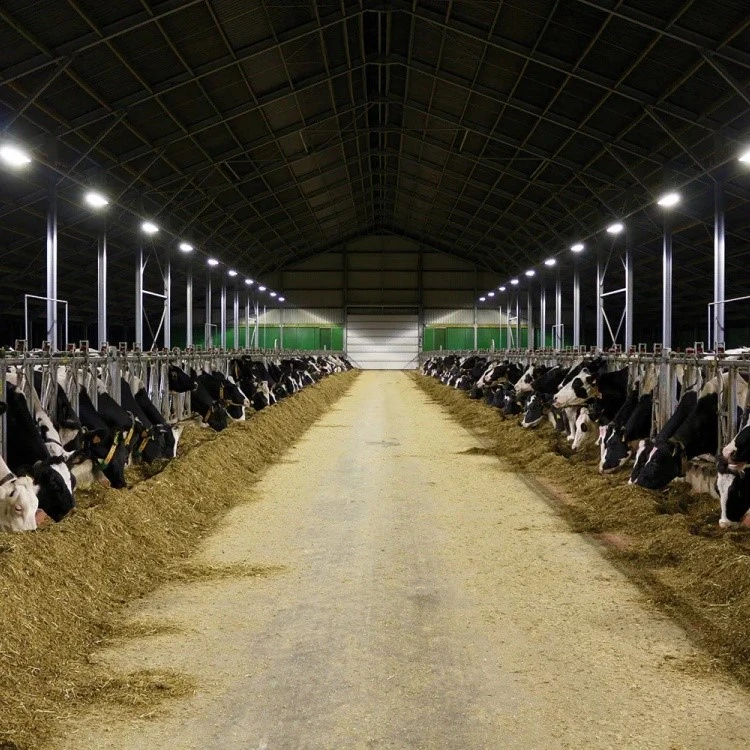
The Role of Light in Cow Health and Fertility: Theoretical Basis
Light is a key environmental factor that regulates the physiological activities of dairy cows through the photoperiodic pathway and photobiological effects. The impact of light on cow health and fertility is primarily mediated by two core mechanisms: the regulation of circadian rhythms and the synthesis of vitamin D. Understanding these mechanisms is essential for designing and applying innovative lighting techniques that effectively promote cow health and fertility.
Light and Circadian Rhythm Regulation in Cows
Dairy cows, like most mammals, have an intrinsic circadian rhythm-a 24-hour cycle of physiological activities regulated by the suprachiasmatic nucleus (SCN) in the hypothalamus. The circadian rhythm governs various physiological processes, including sleep-wake cycles, hormone secretion, metabolism, and reproductive function. Light acts as the primary "zeitgeber" (time cue) that synchronizes the circadian rhythm of cows with the external environment, ensuring the normal operation of physiological systems.
The exposure of cows to light of appropriate duration and wavelength stimulates the secretion of key hormones that regulate health and fertility. During daylight hours, light enters the eyes and is transmitted to the SCN, which inhibits the secretion of melatonin (a hormone that promotes sleep and inhibits reproductive function) from the pineal gland. Conversely, in the absence of light (nighttime), melatonin secretion increases, promoting sleep and regulating the reproductive cycle. Disruptions in light exposure-such as insufficient light duration or irregular light-dark cycles-can desynchronize the circadian rhythm, leading to abnormal hormone secretion. For example, reduced light exposure can increase melatonin levels during the day, suppressing the secretion of gonadotropins (e.g., follicle-stimulating hormone and luteinizing hormone) that are critical for ovarian development and ovulation, thereby reducing fertility rates.
The circadian rhythm also plays a vital role in regulating the immune function of dairy cows. Studies have shown that the activity of immune cells (e.g., lymphocytes, macrophages) and the secretion of cytokines (e.g., interleukin-2, interferon-γ) follow a circadian pattern. Adequate light exposure helps maintain the normal circadian rhythm, ensuring that the immune system functions optimally. In contrast, light deficiency-induced circadian disruption can suppress immune cell activity, reduce cytokine secretion, and increase the susceptibility of cows to bacterial and viral infections, such as mastitis and respiratory diseases. This not only affects cow health but also reduces milk production and reproductive performance.
Light and Vitamin D Synthesis in Cows
Vitamin D is an essential micronutrient for dairy cows, playing a critical role in calcium absorption, bone metabolism, immune function, and reproductive health. Unlike humans, cows cannot synthesize vitamin D through the skin efficiently; instead, they rely primarily on exposure to ultraviolet (UV) radiation in sunlight to convert 7-dehydrocholesterol in the skin into vitamin D₃ (cholecalciferol). Vitamin D₃ is then metabolized in the liver and kidneys into its active form (calcitriol), which regulates calcium and phosphorus homeostasis.
In indoor dairy farming systems, cows often have limited exposure to natural sunlight, leading to vitamin D deficiency. This deficiency can result in a range of health problems:
(1) Bone disorders: Reduced calcium absorption leads to osteoporosis, rickets, and increased risk of fractures, especially in young calves and lactating cows.
(2) Immune suppression: Vitamin D deficiency impairs the function of immune cells, increasing the risk of infections.
(3) Reproductive disorders: Vitamin D is involved in the regulation of ovarian function and progesterone secretion; deficiency can lead to delayed puberty, irregular estrous cycles, and decreased conception rates.
(4) Reduced milk production: Calcium is essential for milk synthesis; vitamin D deficiency reduces calcium absorption, leading to decreased milk yield and milk quality.
The synthesis of vitamin D₃ in cows requires exposure to UV-B radiation (wavelength 290–320 nm) in sunlight. The efficiency of vitamin D synthesis depends on several factors, including the intensity of UV-B radiation, the duration of exposure, and the skin color of cows (darker skin absorbs more UV radiation, reducing vitamin D synthesis). In regions with low sunlight intensity (e.g., high latitudes) or during winter months, natural UV-B radiation is insufficient to meet the vitamin D needs of cows, making it necessary to adopt artificial lighting solutions that can provide UV-B radiation or simulate the spectral characteristics of natural sunlight.
Innovative Lighting Techniques for Promoting Cow Health and Fertility
In response to the challenges of insufficient natural light in indoor dairy farming, two innovative lighting techniques have emerged as effective solutions: LED lighting systems and red light therapy. These techniques are designed to replicate the beneficial effects of natural sunlight, regulate cows' circadian rhythms, promote vitamin D synthesis, and improve reproductive performance. Each technique has unique characteristics and mechanisms of action, making them suitable for different farming scenarios.
LED Lighting Systems: Simulating Natural Daylight for Circadian Regulation
LED (Light-Emitting Diode) lighting systems have become the preferred lighting solution for modern dairy farms due to their energy efficiency, long lifespan, adjustable spectral characteristics, and programmability. Unlike traditional incandescent or fluorescent lights, LED lights can be customized to deliver specific wavelengths and light intensities, making them ideal for simulating natural daylight and regulating cows' circadian rhythms.
The design of LED lighting systems for dairy farms focuses on replicating the spectral and photoperiodic characteristics of natural sunlight. Key design parameters include:
(1) Spectral composition: LED lights are typically configured to emit a full spectrum of light, including blue (450–495 nm), green (495–570 nm), and red (620–750 nm) wavelengths, which are essential for regulating circadian rhythms and promoting vitamin D synthesis. Some advanced systems also include UV-B LEDs to enhance vitamin D production.
(2) Light intensity: The recommended light intensity for dairy cows is 100–200 lux at the eye level of cows, which is equivalent to the light intensity of overcast daylight.
(3) Photoperiod: LED systems can be programmed to simulate natural daylight hours (e.g., 16 hours of light and 8 hours of darkness), which is optimal for maintaining cows' circadian rhythms and promoting reproductive function.
(4) Uniformity: LED lights are installed in a way that ensures uniform light distribution throughout the barn, avoiding dark spots and ensuring all cows receive adequate light exposure.
The application of LED lighting systems in dairy farms has been shown to have significant positive effects on cow health and fertility:
(1) Improved circadian rhythm regulation: By simulating natural daylight hours, LED lights help cows maintain a normal circadian rhythm, reducing melatonin secretion during the day and promoting the secretion of gonadotropins. This leads to more regular estrous cycles and increased conception rates (studies have shown that LED lighting can increase conception rates by 10–15%).
(2) Enhanced vitamin D synthesis: Full-spectrum LED lights, especially those containing UV-B wavelengths, promote the synthesis of vitamin D₃ in cows, reducing the risk of vitamin D deficiency and related health problems.
(3) Improved sleep quality: LED lights can be programmed to gradually dim in the evening, simulating sunset and promoting the secretion of melatonin, which helps cows sleep better and reduces stress.
(4) Increased immune function: Regular light exposure regulated by LED systems maintains the normal circadian rhythm of immune cells, enhancing immune function and reducing the incidence of diseases.
(5) Higher milk production: Improved health and wellbeing of cows lead to increased milk yield and milk quality; studies have reported a 5–10% increase in milk production in cows exposed to optimized LED lighting.
Red Light Therapy: Enhancing Reproductive Function Through Circulation Improvement
Red light therapy (RLT) is another innovative lighting technique that has gained popularity in dairy farming in recent years. This technique involves exposing cows to red light (wavelength 620–750 nm), which has unique photobiological effects on the body, particularly in improving blood circulation and regulating reproductive function. Unlike LED lighting systems, which focus on simulating natural daylight, red light therapy targets specific physiological processes to enhance cow fertility.
The beneficial effects of red light therapy on cow fertility are primarily mediated by its ability to improve blood circulation and cellular metabolism. Red light has a longer wavelength and can penetrate deeper into the skin and tissues, stimulating the production of adenosine triphosphate (ATP) in cells. ATP is the energy currency of cells, and increased ATP production enhances cellular metabolism and function. Specifically, red light exposure improves blood flow in the reproductive organs (e.g., ovaries, uterus) of cows, increasing the supply of oxygen and nutrients to these organs. This improved blood flow promotes the development of ovarian follicles, enhances ovulation, and increases progesterone levels, which are critical for maintaining pregnancy. Additionally, red light therapy reduces oxidative stress in reproductive cells, protecting them from damage and improving their function.
Red light therapy is typically applied in dairy farms using red LED panels or lamps, which are installed in areas where cows spend a significant amount of time (e.g., stalls, milking parlors). The recommended exposure parameters are:
(1) Wavelength: 660–670 nm, which is the most effective wavelength for improving blood circulation and reproductive function.
(2) Light intensity: 50–100 lux at the level of the reproductive organs.
(3) Exposure duration: 1–2 hours per day, preferably during the morning or evening when cows are at rest. Studies have shown that regular red light therapy can significantly improve the fertility of dairy cows:
(1) Increased ovulation rate: Red light exposure promotes ovarian follicle development, leading to a higher ovulation rate.
(2) Improved conception rate: Enhanced blood flow to the uterus and increased progesterone levels improve the implantation of fertilized eggs, increasing conception rates by 15–20%.
(3) Reduced embryonic loss: Red light therapy reduces oxidative stress in the uterus, reducing the risk of embryonic loss and improving pregnancy retention rates.
(4) Improved postpartum recovery: For lactating cows, red light therapy improves blood circulation in the udder, reducing the risk of mastitis and promoting postpartum recovery.
Practical Considerations for Adopting Innovative Lighting Techniques in Dairy Farms
While innovative lighting techniques offer significant benefits for promoting cow health and fertility, their successful application in dairy farms requires careful planning and consideration of practical factors. These factors include cost-effectiveness, farm layout, cow behavior, and maintenance requirements, which directly affect the implementation and effectiveness of the lighting systems.
Cost-Effectiveness and Return on Investment
The initial investment in LED lighting systems and red light therapy equipment can be relatively high; however, the long-term benefits-including increased milk production, improved fertility, and reduced disease incidence-result in a positive return on investment (ROI). LED lights have a lifespan of 50,000–100,000 hours, significantly longer than traditional lights, reducing replacement costs. Additionally, LED lights are energy-efficient, consuming 50–70% less energy than incandescent lights, which reduces electricity bills. For red light therapy, the cost is offset by the improved fertility rates and reduced reproductive losses. Dairy farmers should conduct a cost-benefit analysis based on their farm size, number of cows, and current productivity levels to determine the optimal lighting solution.
Farm Layout and Lighting Installation
The layout of the dairy barn plays a critical role in the effectiveness of innovative lighting techniques. For LED lighting systems, lights should be installed at a height of 2.5–3.5 meters above the ground, ensuring uniform light distribution throughout the barn. The spacing between lights should be adjusted based on the light intensity and barn size to avoid dark spots. For red light therapy, lamps should be installed near the stalls or milking parlors, ensuring that the red light reaches the reproductive organs of cows. Additionally, the lighting system should be integrated with the barn's ventilation and temperature control systems to ensure that light exposure does not affect the overall environment of the barn.
Cow Behavior and Adaptation
Cow behavior can affect the effectiveness of lighting techniques. Dairy cows are sensitive to changes in their environment, and sudden changes in light intensity or photoperiod can cause stress. Therefore, farmers should gradually adjust the lighting parameters (e.g., light intensity, photoperiod) to allow cows to adapt. Additionally, cows should have access to dark areas for rest, as continuous light exposure can disrupt sleep and cause stress. For red light therapy, farmers should monitor cow behavior to ensure that the exposure does not cause discomfort or stress.
Maintenance and Monitoring
Regular maintenance and monitoring are essential to ensure the long-term effectiveness of innovative lighting systems. For LED lighting systems, farmers should regularly clean the light fixtures to remove dust and dirt, which can reduce light intensity. The LED bulbs should be inspected periodically for damage or dimming, and replaced as needed. For red light therapy equipment, the lamps should be checked for proper functioning, and the exposure parameters should be adjusted based on the health and fertility of the cows. Additionally, farmers should monitor key indicators (e.g., conception rate, milk production, disease incidence) to evaluate the effectiveness of the lighting techniques and make necessary adjustments.
Conclusion
Innovative lighting techniques-represented by LED lighting systems and red light therapy-have emerged as powerful tools for promoting the health and fertility of dairy cows, addressing the challenges of insufficient natural light in modern indoor dairy farming. These techniques leverage the principles of photobiology to regulate cows' circadian rhythms, promote vitamin D synthesis, improve blood circulation, and enhance reproductive function. LED lighting systems simulate natural daylight, ensuring that cows maintain normal physiological rhythms and reducing the risk of vitamin D deficiency, while red light therapy targets reproductive organs to improve fertility rates. The application of these techniques not only improves cow welfare and health but also increases milk production and farm profitability, contributing to the sustainable development of the dairy industry.
However, the successful adoption of innovative lighting techniques requires careful planning, considering factors such as cost-effectiveness, farm layout, cow behavior, and maintenance. Dairy farmers should select the appropriate lighting solution based on their specific needs and farm conditions, and gradually implement and adjust the lighting parameters to ensure optimal results. Future research should focus on optimizing the design and application of these lighting techniques, exploring the effects of different light wavelengths and photoperiods on cow health and fertility, and developing more cost-effective and efficient lighting systems.
In summary, innovative lighting techniques have the potential to revolutionize the dairy industry by improving cow health and fertility. As the industry continues to prioritize animal welfare and sustainability, the adoption of these advanced lighting solutions will become increasingly widespread, leading to a more efficient, profitable, and sustainable dairy sector.
About Our Company

Our firm prides itself on owning its own factory, guaranteeing complete control over the production process and the quality of our goods. We are not only agents; we are manufacturers committed to offering our clients the most competitive rates available. We invite consumers to evaluate our samples first, as we are assured that the quality and pricing of our items are self-evident. Our dedication to excellence and client satisfaction compels us to consistently perform at our best and provide superior quality products.
Our address
3rd Floor, 5th Building, Hebei Industrial Park, Hualian Community, Longhua District, Shenzhen, China





