

Introduction
The global shift toward LED technology has been driven by promises of energy efficiency and longevity. However, a common frustration among facility managers and lighting designers is the "fade" effect: fixtures that boast impressive initial lumens but lose a significant portion of their brightness within the first year or two of operation. For a sports arena relying on consistent broadcast-quality lighting or a warehouse where safety depends on high visibility, this degradation is unacceptable.
The 240W Arena LED Flood Light is engineered to challenge this status quo. Delivering a staggering 31,200 lumens from 392 high-lumen 3030 chips, it is a powerhouse. But the true engineering marvel lies in its ability to sustain this output. This paper will deconstruct the science of lumen depreciation and explain why the fixture's multi-board convection cooling design is the unsung hero that guarantees long-term performance, durability, and an exceptional return on investment (ROI).

The Science of Lumen Depreciation: Understanding the Enemy
To appreciate the engineering of the 240W flood light, one must first understand the mechanisms behind lumen depreciation. In LED technology, heat is not merely a byproduct; it is the primary antagonist to longevity.
Defining Lumen Depreciation and the L70 Standard
Lumen depreciation refers to the reduction in a light source's luminous flux (the perceived power of light) over time. In the LED industry, this is measured by ratings such as L70 or L80. An L70 rating means that after a specified number of hours (e.g., 50,000 hours), the fixture will still emit 70% of its initial lumens.
Lower-quality flood lights often suffer from severe lumen depreciation because they lack the thermal infrastructure to handle high-power operation. When a 240W fixture is confined within a poorly designed housing, the heat generated by the densely packed 392 LED chips cannot escape. This leads to rapid L70/L80 drop-off, rendering the light ineffective long before its expected end-of-life.
The Junction Temperature Dilemma
The core of an LED is the semiconductor junction. As electrical current passes through it to generate light, a significant portion of the energy is converted into heat. If this heat is not effectively wicked away, the junction temperature (Tj) rises.
When Tj exceeds the maximum threshold specified by the LED manufacturer, several negative consequences occur:
Phosphor Degradation: The yellow phosphor coating on the 3030 chips degrades under high heat, losing its ability to efficiently convert blue light into white light.
Efficiency Drop: The LED chip itself becomes less efficient at converting electricity to light, creating a vicious cycle where more heat is generated.
Color Shift: The 5000K color temperature can shift, resulting in an uneven or discolored light output, which is particularly detrimental in sports and industrial applications.
The Danger of Thermal Cycling
Beyond continuous high heat, fluctuations in temperature (thermal cycling) are equally destructive. When a light turns on, it heats up; when it turns off, it cools down. This expansion and contraction can compromise the integrity of the fixture's seals, leading to moisture ingress and ultimate failure. Furthermore, constant thermal stress accelerates the degradation of the LED die and the optical lens.
The Lens Factor: Yellowing and Light Loss
As mentioned, the optical lens is also susceptible to heat and UV damage. Traditional plastic lenses turn yellow over time due to photodegradation and thermal stress, blocking a portion of the light from escaping. The 240W flood light utilizes a non-yellowing polycarbonate lens, specifically engineered to resist this thermal and UV degradation, ensuring that the 31,200 initial lumens are not trapped behind a foggy barrier.
Engineering the Solution: Demystifying Multi-Board Convection Cooling
To defeat lumen depreciation, one must master thermodynamics. The 240W flood light employs a sophisticated approach to thermal management that goes far beyond simple metal casing.
Anatomy of the Multi-Board Architecture
A common flaw in high-wattage lighting is concentrating all the heat sources into a single, small point (a "hot spot"). The 240W fixture utilizes a multi-board design.
Heat Distribution: By distributing the 392 high-lumen 3030 chips across a larger internal surface area, the heat load is spread out.
Thermal Spreading: This prevents localized temperature spikes, allowing the heat to be absorbed more efficiently by the underlying metal substrate before being transferred to the main housing.
The Physics of Convection Cooling
Convection is the transfer of heat through the movement of fluids (in this case, air). The exterior of the 240W flood light is characterized by a deep, ribbed fin structure. This is a textbook application of passive convection cooling.
Maximized Surface Area: The vertical fins dramatically increase the surface area of the fixture in contact with the ambient air. The greater the surface area, the faster the rate of heat transfer.
The Chimney Effect: As the aluminum fins absorb heat from the internal LED boards, they heat the surrounding air. Hot air rises and escapes through the top of the fin channels, while cooler, denser air is drawn in from the sides and bottom. This creates a continuous, self-sustaining airflow (the chimney effect) across the fins, even in completely still environments.
The Role of High-Quality Aluminum Alloy
The material of the housing is as critical as its shape. The 240W fixture utilizes a premium high-quality aluminum alloy.
Superior Thermal Conductivity: Unlike steel or plastic, die-cast aluminum rapidly conducts heat away from the LED junction and driver components.
Structural Integrity: The alloy provides a robust, rigid frame that protects internal components from impact and severe weather, while remaining lightweight enough for installation on high masts or ceilings.
Anti-Corrosion Properties: The matte black finish on the aluminum not only aids in aesthetics but provides a layer of protection against oxidation and rust, crucial for outdoor environments.
The Impact: How Cooling Extends Lifespan and Protects Your Investment
The direct result of this multi-layered thermal management system is a profound impact on the fixture's performance and lifespan.
Sustained 31,200 Lumens
By keeping the junction temperatures of the 3030 chips strictly in the optimal range, the 240W flood light effectively mitigates lumen depreciation. This means that the intense, 150-degree wide beam of light remains remarkably consistent year after year. The 5000K daylight color temperature remains stable, ensuring safety and clarity in warehouses and precise visibility on sports fields.
Synergy with IP65 Waterproof Protection
Thermal management and waterproofing are intrinsically linked. When a fixture overheats, the internal pressure increases. When it cools, it creates a vacuum. This "breathing" effect can pull moisture past compromised seals.
The multi-board convection design keeps the fixture operating at a lower, more stable temperature, reducing this thermal cycling stress. Combined with the robust IP65 waterproof rating-complete with sealed cable glands and silicone gaskets-the internal electronics are doubly protected from dust and high-pressure water jets. Lower operating temperatures preserve the elasticity of the seals, ensuring the IP65 integrity lasts as long as the LEDs themselves.
Minimizing Maintenance Costs and Maximizing ROI
For B2B buyers, the most compelling argument for superior thermal management is financial.
Reduced Labor Costs: Replacing lights in a large stadium or a high-ceiling warehouse requires scissor lifts, specialized crews, and significant downtime. A fixture that defies lumen depreciation and lasts significantly longer eliminates these repetitive maintenance costs.
Energy Efficiency: Cooler LEDs are more efficient LEDs. Because the 240W fixture does not have to burn extra energy just to overcome thermal resistance, it maintains its high efficacy (130 lm/W), translating to lower utility bills month after month.
Practical Applications: Where Longevity is Paramount
The engineering of the 240W flood light is designed for environments where replacing a light is both difficult and expensive.
Sports Arenas and Stadiums
Arena lighting must meet stringent standards for visibility and safety. A football or volleyball field illuminated by degrading lights creates dark zones and potential hazards. The sustained 31,200 lumens and 150° wide beam ensure consistent, broadcast-quality illumination over the entire pitch, while the extended lifespan ensures the lights remain reliable through numerous seasons. The rotatable bracket allows for precise aiming during initial installation, and the lack of thermal degradation means the aiming never needs to be adjusted to compensate for fading light.
Industrial Warehouses and Logistics Centers
In the fast-paced world of logistics, 24/7 operation is common. A warehouse cannot afford to shut down aisles to replace prematurely failing lights. The 240W flood light's multi-board convection cooling allows it to run continuously in demanding environments, providing unyielding brightness for forklift operators and picking staff.
Roadways and Tunnels
Public infrastructure lighting must be inherently reliable. The combination of IP65 weatherproofing and advanced thermal dissipation means this fixture can withstand the harsh elements of roadway illumination-from freezing winters to sweltering summers-without succumbing to lumen depreciation or catastrophic failure.
Conclusion
The 240W Arena LED Flood Light is a definitive answer to the industry-wide challenge of lumen depreciation. By meticulously engineering a multi-board convection cooling system out of high-quality aluminum alloy, the manufacturer has created a thermal management solution that actively protects the 392 high-lumen 3030 chips from the destructive forces of heat.
This is not merely a light fixture; it is a long-term asset. It guarantees the sustained delivery of an extreme 31,200 lumens, ensuring that your sports arenas, warehouses, and roadways remain brilliantly illuminated for tens of thousands of hours.
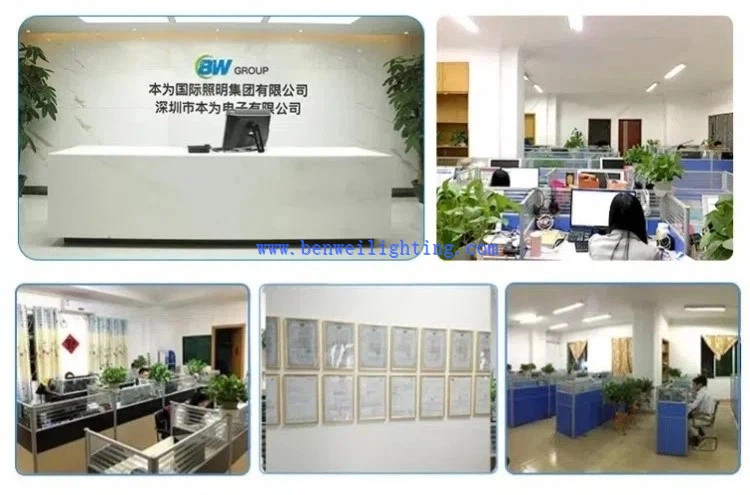
How To Cooperate With Us?
We are happy to have total control over the manufacturing process and the calibre of our products since we have our own facilities. Since we are producers rather than just brokers, we are dedicated to providing our customers with the best pricing. Since we are certain that the price and quality of our products are clear, we invite customers to see our samples first. Our commitment to quality and customer satisfaction drives us to continuously provide top-notch goods.
Our address
3rd Floor, 5th Building, Hebei Industrial Park, Hualian Community, Longhua District, Shenzhen, China





