

Grow lights play an essential role in indoor gardening, from helping plants grow in parts of the world with limited sunlight to providing supplemental light for high-yield crops. However, understanding the science behind grow lights and photosynthesis is crucial to optimizing plant growth and getting the most out of your grow space.
Photosynthesis is the process by which plants convert light energy into chemical energy, allowing them to produce sugars that fuel their growth and development. Light is composed of various wavelengths, and plants are most efficient at capturing and using light in the red and blue ends of the spectrum.
This is where PAR (Photosynthetically Active Radiation) comes in. PAR is the part of the light spectrum that plants use for photosynthesis, and it is typically measured in micromoles per second per square meter (μmol/m²/s).
PAR levels vary depending on the type of grow light used and how close the light source is to the plants. As a general rule, plants require at least 200 μmol/m²/s of PAR for optimal growth, with some high-light plants requiring up to 1,000 μmol/m²/s.
However, it's not just about delivering the right amount of PAR to plants – it's also about making sure that this light is distributed effectively across the plant canopy. This is where light fixtures with reflectors or lenses come in, which help to concentrate and direct light down onto plants.
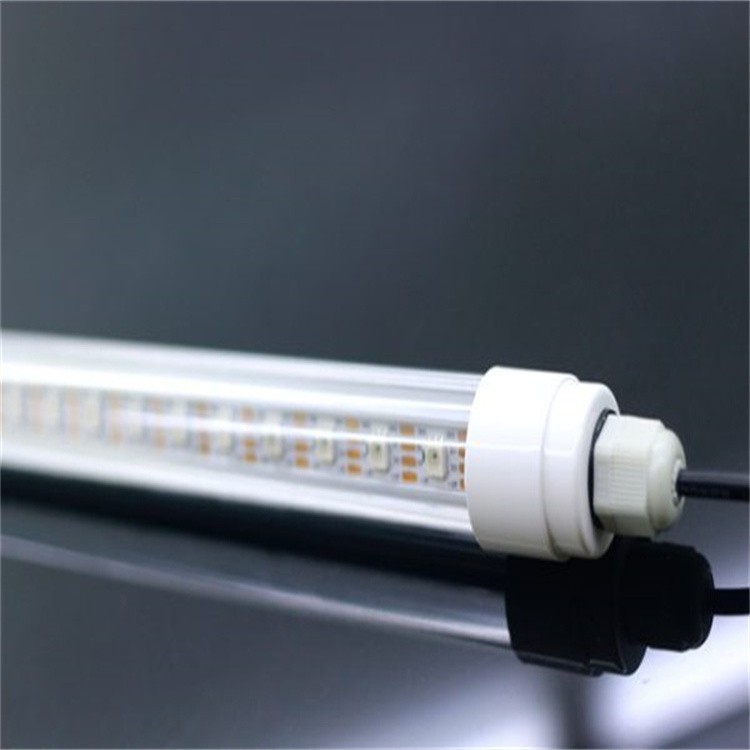
https://www.benweilighting.com/agricultural-lighting/plant-lighting/grow-lamps.html
When it comes to choosing the right grow light for your plants, there are a few key factors to consider. Firstly, the type of plant being grown – high-light plants such as tomatoes and peppers will require more intense lighting than low-light crops like lettuce or herbs. Secondly, the stage of growth – seeds and seedlings require less light than mature plants.
In terms of types of grow lights, there are several options available. The most common types include fluorescent, HID (High-Intensity Discharge), and LED (Light-Emitting Diode) lights. Fluorescent lights are affordable and easy to find, but don't tend to provide as much PAR as HID or LED lights. HID lights are more powerful but also generate more heat and require additional cooling. LED lights are the most energy-efficient and long-lasting option, but can also be more expensive upfront.
In addition to considering the right grow light for your specific plants and setup, it's also important to monitor PAR levels frequently and make adjustments as needed. PAR meters are available for purchase and can help you determine whether your plants are receiving enough light for photosynthesis, allowing you to make informed decisions about your grow light setup.
Overall, understanding the science behind grow lights and photosynthesis is crucial to successfully growing plants indoors. By optimizing PAR levels, choosing the right grow light, and monitoring your setup regularly, you can help your plants thrive and produce high yields year-round.





