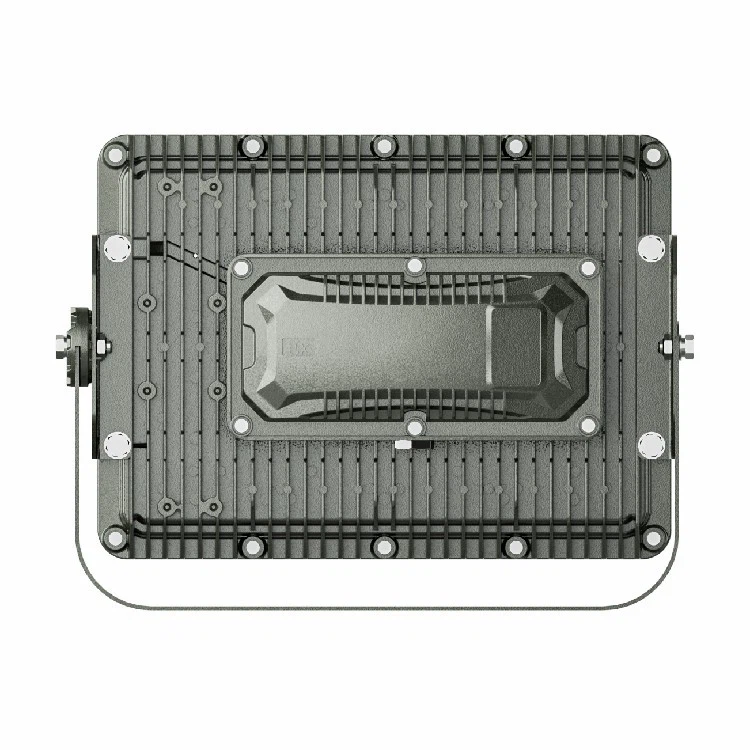
Explosion-proof lighting is an essential safety feature that is required in many industries and facilities. These lights are specially designed to prevent explosions from occurring in hazardous or explosive environments. This type of lighting must meet specific standards to ensure its safety and efficacy. In this article, we will discuss the standard for explosion-proof lighting and explore what makes these lights different from traditional lighting fixtures.
The standard for explosion-proof lighting is set by the National Fire Protection Association (NFPA) in the United States. The NFPA publishes a series of codes and standards that are designed to prevent fires and explosions in industrial and commercial settings. The NFPA 70 is the National Electrical Code (NEC), which outlines the requirements for electrical systems in hazardous locations.
Explosion-proof lighting fixtures must be designed and constructed to prevent a spark or explosion from being generated inside the fixture. This is achieved through the use of special materials and construction techniques that prevent electrical arcing from occurring. In addition to the construction of the light fixture itself, the electrical wiring and connections must also be designed to prevent sparking.
Another important factor in explosion-proof lighting is the rating of the fixture. This rating is determined by the type of hazardous or explosive environment in which it will be used. The rating indicates the level of protection that the fixture provides against explosions and other hazardous conditions. The most common ratings for explosion-proof lighting fixtures are Class I, II, and III. Class I fixtures are designed for use in environments where flammable gases or vapors are present, while Class II fixtures are designed for use where combustible dust is present. Class III fixtures are designed for use in areas where ignitable fibers or materials are present.
Explosion-proof lighting fixtures must also be sealed to prevent the ingress of water, dust, or other contaminants. The degree of protection provided is indicated by the IP (Ingress Protection) rating, which is a two-digit number that indicates the level of protection against dust and moisture. The first digit indicates the level of protection against solid objects, while the second digit indicates the level of protection against liquids.
In conclusion, explosion-proof lighting is an important safety feature that is required in many industries and facilities where hazardous or explosive environments are present. These lights must meet specific standards set by the NFPA to ensure their safety and efficacy. The standard for explosion-proof lighting includes requirements for construction, wiring, and ratings, as well as the sealing of the fixture to prevent the ingress of water and dust. By adhering to these standards, facilities can ensure that their explosion-proof lighting is reliable and effective in preventing accidents and protecting workers.
|
Model |
OHBF8260 |
|
Power |
80W-480W |
|
Input Voltage |
100-240V AC |
|
LED Chip |
CREE |
|
Lumen output |
>130lm/w |
|
Power factor |
>0.95 |
|
Energy efficiency |
>85% |
| Waterproof |
IP68 |
| THD |
15% |
| Warranty |
3/5 years |
|
Color temperature |
3000K/4000K/6000K |
|
Operating temperature |
-20°C a +40°C |