

Replacing fluorescent tubes with LED alternatives has become a strategic imperative for forward-thinking businesses and homeowners. This transition delivers transformative benefits that extend far beyond basic illumination, addressing core operational, financial, and environmental priorities with remarkable efficiency.

Significant Long-Term Cost Savings
The economic argument for LED tubes is compelling. They consume 50–70% less energy than fluorescent equivalents, directly reducing electricity bills – a critical advantage in spaces with extensive lighting systems like warehouses, offices, or retail environments. Their superior longevity further amplifies savings: LED tubes last 30,000–50,000 hours, outliving fluorescents by 2–3 times. This drastically reduces replacement frequency, slashing material costs and labor expenses for maintenance. Facilities eliminate recurring purchases of lamps and ballasts while minimizing operational disruptions. The combined energy and maintenance savings typically yield a full return on investment within 1–3 years, transforming upfront costs into sustained financial gains.
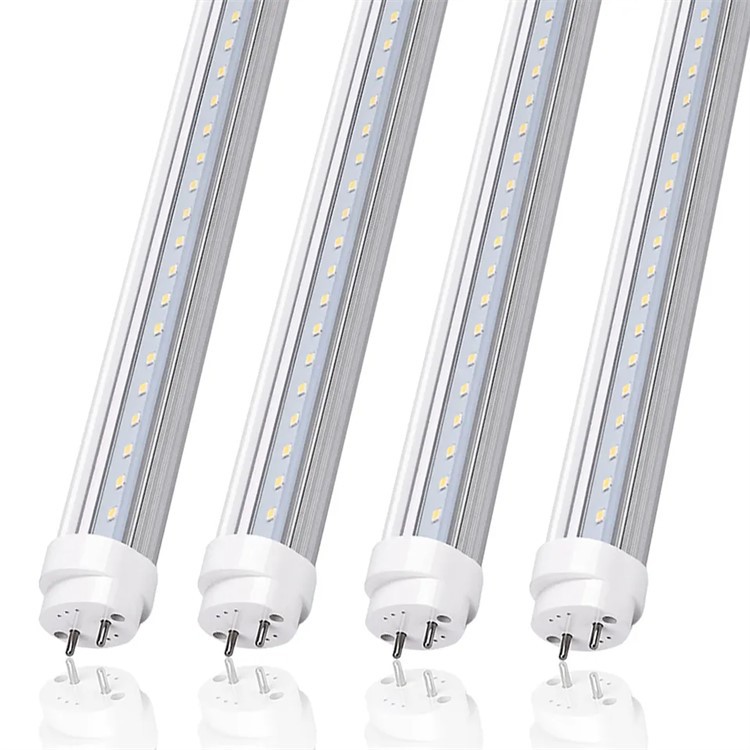
Enhanced Visual Comfort and Reliability
LED technology fundamentally improves lighting quality. Unlike fluorescents that flicker, hum, or suffer slow cold-weather startups, LED tubes deliver instant, stable, and silent illumination. Advanced optics provide uniform light distribution with minimal glare, while high Color Rendering Index (CRI >80) options render colors more accurately – crucial for retail displays, manufacturing precision, and visual tasks. The absence of flicker reduces eye strain and headaches, directly enhancing occupant well-being and productivity. Additionally, solid-state construction withstands vibrations and frequent switching, ensuring reliable performance in demanding environments like workshops or cold storage, where fluorescent tubes often fail prematurely.
Environmental Responsibility Simplified
Choosing LED tubes demonstrates tangible ecological stewardship. Their drastic energy reduction lowers carbon emissions from power generation. Extended lifespan means fewer tubes enter landfills, reducing waste volume. Critically, LEDs contain zero mercury – eliminating the toxic disposal hazards and regulatory burdens associated with fluorescent lamps. Facility managers avoid complex hazardous waste protocols and potential contamination risks from broken tubes. LED technology also aligns with global sustainability regulations (e.g., EU bans on fluorescent lamps), future-proofing installations against obsolescence. This mercury-free advantage, combined with recyclable aluminum and polycarbonate components, establishes LED tubes as the responsible choice for health and ecosystem protection.
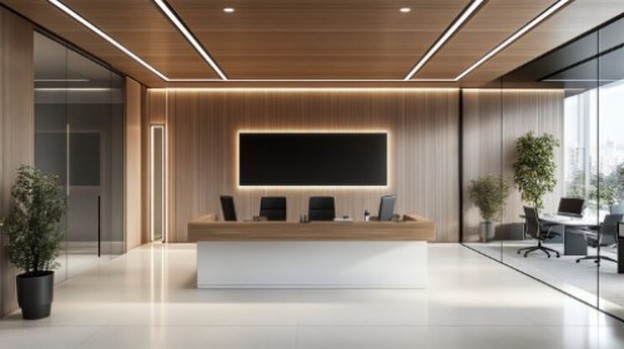
The decision to adopt LED tube lighting transcends mere technical substitution. It represents a commitment to operational excellence, human-centric design, and ecological integrity. By delivering rapid financial returns through energy and maintenance savings, elevating visual environments for occupant well-being, and removing toxic materials from the waste stream, LED technology proves indispensable for modern spaces. These advantages solidify LED tubes not as an alternative, but as the definitive standard for efficient, high-quality, and sustainable illumination.
About our company
Shenzhen Benwei Lighting Technology Co., Ltd is a well-known company that designs, develops, makes, and sells high-tech goods, including LED lighting products. The plant where we work opened in 2010 and is in Shenzhen.
Our address
3rd Floor, 5th Building, Hebei Industrial Park, Hualian Community, Longhua District, Shenzhen, China






