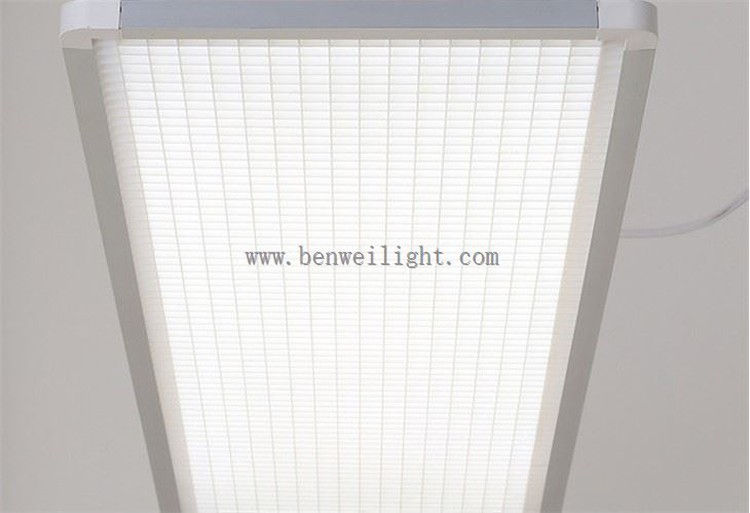
Teachers, take notice! Did you realize that classroom lighting may have a big influence on your students' academic achievement and eye health? Understanding classroom lighting needs is critical. To enhance your children's learning environment and promote eye safety, we will look at the principles of classroom lighting in this article, as well as the importance of lighting standards and the best LED classroom light options. Find out how good lighting can revolutionize your classroom!

Why lighting standards for classrooms are important
Classroom lighting guidelines help youngsters learn more effectively and comfortably. Proper classroom illumination may increase students' well-being, performance, and concentration. This article explains why it is important to have classroom lighting guidelines.
First, a well-lit classroom allows kids to concentrate and pay attention more effectively. Children who are not exposed to enough light may have headaches, eye strain, and irritability, making learning more challenging. On the other hand, continuous, bright illumination may boost production and improve student attentiveness. This is vital for children preparing for examinations.
Classroom illumination may have an influence on student health and well-being. Excessive artificial illumination may cause headaches, sleep disturbances, and eye strain. Appropriate illumination in the classroom may mitigate these effects, keeping pupils comfortable and healthy while learning.
Third, lighting influences the classroom's mood and tone. Dim lighting creates a sad environment, but bright lighting enhances mood and learning. A light classroom is more visually appealing than one that is dark. Students may feel more at ease and engaged as a consequence, which will aid in learning and retention.
Finally, classroom lighting rules offer children with a better education. Schools can help students succeed more by providing a secure, pleasant, and well-lit study environment. This is especially crucial for impoverished children who may lack access to the same resources as their classmates.

Overview of existing lighting standards for classrooms: what guidelines exist and how are they determined?
This article will look at the classroom lighting guidelines and how they were established.
The Illuminating Engineering Society (IES) Lighting Handbook is one of the most well-known lighting standards. IES, a non-profit, establishes lighting design guidelines. According to their Handbook, lighting requirements vary depending on the task and surroundings.
According to the IES, school work surfaces should have light levels ranging from 30 to 50 foot-candles (fc). This illumination is ideal for reading and writing. For a warm and inviting classroom environment, IES recommends general illumination between 50 and 75 fc. Lighting should be balanced between the walls and ceilings and consistent throughout the room.
The NFPA and ANSI provide further school lighting guidelines. ANSI administers voluntary lighting product and safety standards. Unlike the IES suggestion, the ANSI classroom lighting standard specifies 40 fc on the work surface.
In contrast, the NFPA establishes fire safety guidelines for a variety of settings, including schools. The NFPA 101 Life Safety Code mandates appropriate classroom lighting, particularly during emergencies. They advocate emergency lighting for power outages and other crises.
How to choose a LED eye protection classroom light
This tips will help you pick the finest LED eye protection classroom light for your school:
1. Consider color temperature.
You must consider color temperature while selecting LED eye protection lights. The color of a light is its Kelvin (K) color temperature. Lights under 3000K generate warm, relaxing light. However, 6000K or higher lights generate a cooler, brighter blue light. In schools, 5000K lights are suggested.
2. Look for flicker-free lighting.
Flickering LED lights may cause headaches, discomfort, and seizures. Finding LED lights that don't flicker and utilize the same amount of power is vital. Flickering may harm sensitive persons even if they cannot see it.
3. Consider dimming.
LED eye protection bulbs often dim, which helps change classroom lighting and moods. Dimmable lights may reduce electricity bills and energy costs.
4. Choose the suitable brightness.
Choose an LED eye protection light bright enough for the room. Lack of light may impair vision and affect kids' learning, while too much brightness can strain eyes. A light with at least 3000 lumens is a decent starting point.
5. Check the light's suitability.
Before buying, check the LED eye protection light's suitability for your classroom. Consider room size, windows, and natural light. Classrooms with and without big windows need different illumination.