

145lm/W high-efficiency modular LED flood light has gradually replaced conventional metal halide and high-pressure sodium floodlights and become mainstream outdoor industrial lighting equipment for global engineering projects. This blog systematically disassembles core technical logic of its ultra-high luminous efficiency from light source configuration, driver power design and energy consumption control three dimensions, analyzing why this parameter becomes core purchasing indicator for commercial and industrial lighting buyers.
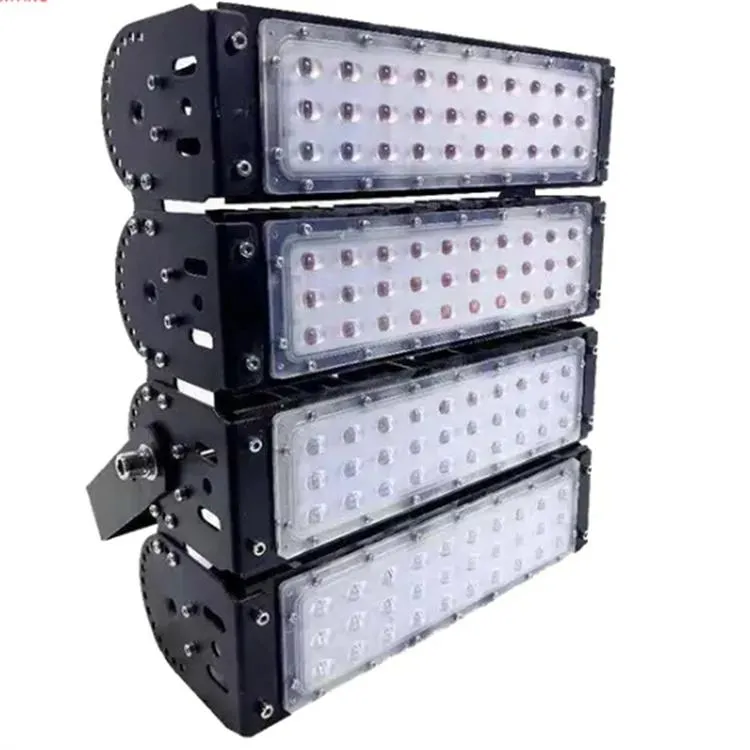
Against the global backdrop of carbon neutrality policies and rising industrial electricity costs, facility managers, engineering contractors and municipal procurement departments are gradually phasing out outdated high-energy-consuming metal halide, high-pressure sodium and traditional halogen flood lighting solutions. 145lm/W high-efficiency modular LED flood light has become a mainstream preferred lighting fixture for large-area outdoor illumination, yet most purchasers only focus on the luminous efficacy figure on product specification sheets without understanding the comprehensive industrial design behind this core parameter. Many low-end imitation products mark nominal 145lm/W on labels but fail to sustain stable high light efficiency after short-term outdoor operation due to cut-corner component selection and flawed structural design. This paper systematically dissects three core dimensions including full light source system configuration, internal driver circuit technology and practical energy consumption & economic returns under tertiary heading structure, detailing how each structural design collaboratively supports the fixture's steady 145lm/W system-level luminous efficiency under long-term complex outdoor working conditions, helping overseas buyers distinguish high-quality industrial-grade LED flood lights from inferior low-cost counterparts and make data-driven procurement decisions.
Light Source System Design That Realizes Stable 145lm/W Luminous Efficacy
Premium Industrial SMD LED Chip Selection Standard & Pre-production Screening Process
The core foundation of reaching 145lm/W fixture-level luminous efficiency originates from standardized high-performance SMD LED chips sourced from top global semiconductor manufacturers, fundamentally different from cheap generic LED beads widely adopted by low-end floodlight manufacturers whose practical overall efficiency rarely exceeds 110lm/W. Optimized epitaxial growth and wafer cutting technology are applied inside qualified LED chips, effectively reducing non-radiative recombination loss inside PN junction during electro-optical conversion, minimizing invalid energy loss converted into extra heat instead of visible light. Every batch of LED beads undergoes rigorous multi-stage pre-installation quality inspection before assembly, including anti-static breakdown testing under high-voltage environment, 72-hour uninterrupted high-temperature aging test under 85℃ constant ambient temperature, and alternating damp-heat cycling experiment simulating rainy and humid coastal climate. These screening procedures eliminate defective LED components with hidden flaws that would trigger rapid light attenuation, uneven brightness or dead lamp beads in later usage. Adopting split modular layout, each 50W light source module is an independent sealed light-emitting unit with separated circuit layout. Once partial module is damaged after long-term operation, users only need to replace the faulty single module rather than discard the whole floodlight, drastically reducing post-maintenance spare parts cost and labor expense for large-scale warehouse, stadium and municipal tunnel lighting projects with thousands of installed lamps.
Secondary Optical Lens Structure Optimizing Effective Luminous Utilization Rate
Bare LED chip emits scattered light with considerable proportion of stray light diffusing into useless empty space, which is the primary obstacle restricting overall fixture luminous efficiency to hit 145lm/W even with high-performance LED chips. High-transmittance modified PC material is selected for secondary injection molding optical lens, featuring high temperature resistance, anti-ultraviolet aging and low light attenuation after long-term outdoor sun exposure. Four optional fixed beam angles including 15°, 30°, 60°, 90° are available to satisfy differentiated lighting demands of various application scenarios: narrow 15° lens concentrates luminous flux for high-pole plaza and high-rise building exterior wall projection, while wide-angle 90° lens achieves even large-area coverage for open parking lots and logistics storage yards. Default configuration comes with Ra80 color rendering index that meets general industrial and municipal lighting requirements, and customized Ra90 high-color-rendering version is available for commercial shopping plaza, fresh market and sports competition venues requiring authentic color reproduction. Scientific secondary optical design intercepts over 20% invalid stray light compared with floodlights without customized lens, converting wasted light into effective usable illumination and becoming an indispensable structural design to realize standardized 145lm/W overall luminous efficiency.
Modular Fin Heat Sink Design Maintaining Long-Term Lumen Retention Rate
Excessively high PN junction temperature is the biggest hidden danger accelerating LED light decay and continuous decline of actual luminous efficiency. This modular floodlight is equipped with split fin-type high-purity aluminum heat sink matching every independent light source module. The dense fin structure expands heat exchange area between lamp body and ambient air greatly, accelerating conduction heat transfer from LED aluminum substrate to heat sink and natural convection heat dissipation with surrounding air, keeping LED operating junction temperature within safe design range under continuous full-load operation. Benefiting from mature thermal management design, the lamp can retain more than 85% of initial rated luminous flux after 50,000 hours of non-stop continuous working, which means the fixture still maintains close to 145lm/W practical luminous efficiency even after years of daily long-hour lighting. In contrast, inferior floodlights with thin, shoddy aluminum or plastic-coated heat sink suffer sharp temperature rise during operation, leading to over 30% brightness drop within 1–2 years and failing to keep the marked high luminous efficiency in real application.
Core Technical Breakdown of Supporting Constant-Current LED Driver
Wide-Voltage Isolated Driver Circuit Design Adapting Global Power Grid
The floodlight is equipped with IP65 sealed isolated constant-current LED driver supporting ultra-wide AC input ranging from 85V to 265V, fully compatible with diverse power grid specifications across North America 110V, European 230V, Southeast Asia and Middle East unstable civil & industrial power supply environments. Different from non-isolated low-cost drivers with poor anti-interference capability, isolated circuit structure completely separates high-voltage input terminal and low-voltage LED output terminal, cutting off hidden risk of LED chip burnout caused by instantaneous grid abnormal surge. The driver is embedded inside the hollow inner cavity of aluminum heat sink instead of exposed outside the lamp housing. Surrounding aluminum shell continuously dissipates working heat generated by internal driver components, avoiding driver overheating failure under high-temperature summer outdoor environment; meanwhile, the enclosed installation structure blocks rainwater, dust and corrosive sea salt fog from eroding internal circuit elements, extending driver service life synchronously with LED light source. Constant-current output design locks fixed operating current for LED beads, avoiding lamp flicker and luminous efficiency fluctuation triggered by peak-hour grid voltage drop or instantaneous voltage surge in industrial parks.
Multi-Layer Integrated Protection Circuits for Harsh Outdoor Environment Adaptability
Multiple sets of built-in safety protection circuits are integrated inside driver PCB board to cope with complex unpredictable outdoor electrical risks. First, 4KV lightning surge protection module effectively resists instantaneous high-voltage impact induced by thunderstorm lightning strike, greatly improving lamp stability in open-air mountain tunnel, seaside port and suburban open yard without lightning protection facilities. Besides surge defense, overvoltage, overcurrent, short-circuit and overheat automatic power-off protection functions are all embedded into circuit logic: when circuit short-circuit occurs caused by water infiltration or cable aging, driver instantly cuts off output power to protect expensive LED light source from permanent burnout; when internal component abnormal overheating happens, temperature sensing unit triggers power cutoff to avoid spontaneous combustion safety hazard. Complete multi-protection system enables the 145lm/W modular flood light to run stably under high humidity, salt corrosion, drastic temperature change and unstable power grid conditions, greatly reducing unexpected replacement cost brought by premature lamp damage for overseas project customers.
Energy Consumption Analysis & Long-Term Economic Value of 145lm/W High-Efficiency Specification
Horizontal Energy Consumption Contrast With Conventional Traditional Lamps
Traditional widely-used 400W metal halide flood light only achieves average 55~70lm/W system luminous efficiency, and it requires 3–5 minutes preheating period to reach full rated brightness with persistent idle power consumption during startup phase. By comparison, a 150W 145lm/W modular LED flood light can output equivalent total effective luminous flux matching 400W MH lamp, directly cutting rated power consumption by over 65%. Furthermore, LED light source realizes instant full-bright startup once electrified without any preheating waiting and idle power loss, eliminating extra electricity waste accumulated by repeated daily startup for all-night lighting venues including logistics park yard and large open parking lot. Calculated by long-term full-night operation of 12 hours per day, monthly electricity saving gap between LED floodlight and traditional light source is quite remarkable under global climbing electricity price trend. In addition, traditional HID lamp has short service life around 8,000–12,000 hours with frequent replacement expense of lamp tube and ballast, while this LED floodlight's 50,000-hour service lifespan slashes regular maintenance and spare part procurement cost.
ROI Calculation & Practical Application Value for Global Commercial Buyers
From asset investment perspective for commercial property operators and industrial factory owners, the high 145lm/W luminous efficiency configuration shortens equipment investment payback cycle obviously. Based on mainstream overseas industrial electricity price standard, most end users can recover initial lamp purchasing cost within 12 to 24 months entirely through cumulative monthly electricity bill savings. After cost recovery, all subsequent years' electricity reduction turns into pure enterprise operating profit, forming long-term stable cost advantage. In addition to direct economic benefits on electricity cost, the product's modular maintainable structure indirectly cuts labor cost of regular lamp inspection and replacement for property management teams. Combined with global energy conservation and carbon emission reduction policy incentives in many countries and regions, enterprises using high-efficiency LED flood lighting can also enjoy corresponding energy-saving subsidy and tax preference in partial areas, further lifting comprehensive return on investment of lighting renovation project.
Conclusion
The 145lm/W luminous efficiency of this modular LED flood light is not a single parameter marked for marketing promotion, but a comprehensive technical achievement realized via coordinated optimization of high-end LED chip, precise secondary optical design, scientific thermal dissipation structure and stable wide-voltage constant-current driver. Every structural design link targets reducing invalid energy loss and maximizing effective light output. For global purchasers ranging from municipal engineering contractors, industrial factory procurement to commercial real estate operators, recognizing the full set of underlying technologies behind 145lm/W helps avoid being misled by inferior counterfeit products with false parameter labeling, select durable, cost-effective industrial-grade flood lighting solution and realize long-term dual gains of energy saving and operating cost control in actual lighting projects.

How To Cooperate With Us?
Our company takes great satisfaction in having its own factory, which ensures total control over the manufacturing process and the calibre of our products. We are manufacturers dedicated to providing our customers with the most affordable prices, not just agents. Since we are certain that the quality and cost of our products are obvious, we encourage customers to assess our samples first. Our commitment to quality and customer satisfaction drives us to always provide top-notch goods.
Our address
3rd Floor, 5th Building, Hebei Industrial Park, Hualian Community, Longhua District, Shenzhen, China





