

Introduction: The Endless Cycle of Burning Out
It is a scenario repeated on job sites worldwide: A brand new LED work light is unboxed, mounted on a pole or scaffolding, and switched on. It performs brilliantly for a few weeks or perhaps a few months. Then, without warning, it flickers and dies. A technician is dispatched, a ladder or scissor lift is rented, and the light is replaced under warranty. Six months later, the cycle repeats.
This endless loop is not just an inconvenience; it is a massive financial hemorrhage. The true cost of a burned-out light is never the price of the fixture itself. It is the labor cost of the maintenance crew, the rental cost of the heavy equipment required to reach it, and the devastating cost of operational downtime.
Why does this happen? Why do modern LED lights, which are theoretically rated to last 50,000 hours, burn out in 2,000? The answer lies in two critical engineering failures that plague cheap and mid-tier lighting: inadequate thermal management and structurally fragile front lenses. The product under review-a robust, orange die-cast aluminum floodlight-is purpose-built to eliminate these failure points. This essay will serve as a deep-dive forensic analysis of why work lights burn out, and how the combination of Full Aluminum Heat Dissipation and Thickened Glass serves as the ultimate cure.
The Forensics of Failure: Why Do Work Lights Burn Out?
To understand the brilliance of the solution, we must first dissect the engineering flaws of the problem.
The Silent Killer: Thermal Degradation in LED Chips
The fundamental misconception about LEDs is that they "burn out" like traditional incandescent bulbs. They do not. LEDs fail because they literally cook themselves from the inside out.
The Physics of Junction Temperature
An LED chip is a semiconductor device. When electricity passes through it to generate light, a byproduct is intense heat. This heat is concentrated in a microscopic area called the "junction." If the heat cannot be rapidly conducted away from the junction, the temperature skyrockets. According to Arrhenius' equation, for every 10°C increase in operating temperature, the lifespan of an electronic component is halved.
The Inadequacy of Plastic and Thin-Metal Heat Sinks
To save on manufacturing costs, many cheap work lights utilize thin, stamped steel backplates or even plastic housings. These materials have terrible thermal conductivity. They act like a thermos, trapping the heat inside the fixture. The LED chips operate at extreme temperatures, causing the phosphor coating to degrade (lumen depreciation) and the internal solder joints to melt, resulting in sudden, catastrophic failure.
The Vulnerability of the Front Face
The second major cause of premature death is physical and environmental trauma to the front lens.
Shattered Lenses and Compromised Seals
Standard floodlights often use thin, fragile acrylic or standard glass. When a rock is kicked up by a lawnmower, or a wrench falls on the light, the lens shatters. Once cracked, the hermetic seal is broken. Moisture, dust, and insects immediately invade the housing.
Thermal Cycling and Water Ingress
Even if the glass doesn't break, the heat from the LED causes the internal air to expand. When the light is turned off or hit by cold rain, the air contracts, creating a vacuum that literally sucks moisture past weak, flexible seals. Once water touches the LED driver board, the light is instantly destroyed.
The Ultimate Solution Part I: Full Aluminum Heat Dissipation
The product under review counters the thermal threat with an aggressive, uncompromising engineering strategy: a completely die-cast aluminum architecture.
The Physics of Aluminum Conductivity
Not all metals are created equal when it comes to managing heat.
High Thermal Conductivity
Aluminum is chosen for this fixture because it possesses exceptional thermal conductivity (roughly 237 W/m·K). When the LED board is mounted directly to the massive aluminum housing, the heat is instantly absorbed and transported away from the delicate junction. This prevents the localized overheating that destroys LED chips.
Dense Fin Architecture: Maximizing Surface Area
The rear of the fixture is a masterclass in thermal design. It features a dense array of dozens of protruding, cylindrical aluminum fins. The purpose of this design is to maximize the surface area exposed to the ambient air. The more surface area, the faster the heat can be transferred via convection (the movement of air). The fins create a "chimney effect," allowing cool air to enter from the bottom and hot air to escape from the top, keeping the core of the light perpetually cool.
Anti-Corrosion and Long-Term Thermal Stability
A heat sink is only effective if it remains structurally intact.
The Protective Oxide Layer
Unlike steel housings that rust and corrode (which acts as a thermal insulator), the high-quality aluminum used here naturally forms a microscopic, protective oxide layer when exposed to oxygen. The manufacturer has also applied an anti-corrosion treatment. This ensures that even in harsh outdoor environments with rain and humidity, the heat dissipation fins remain clean and highly efficient.
Sustained Lumen Output and 5000+ Hour Lifespan
Because the LEDs are kept operating at optimal temperatures, they do not suffer from rapid lumen depreciation. The manufacturer claims a 5000-hour lifespan, but the reality of the full aluminum design is that the light will maintain its blinding brightness for tens of thousands of hours. It will not be the dim, flickering ghost of its former self after a single season.
The Secondary Benefits of a Metal Housing
The massive aluminum body does more than just dissipate heat.
Impact Absorption and Structural Rigidity
When the light is dropped, or struck by heavy equipment, the thick die-cast aluminum housing absorbs the kinetic energy. It will not crack, warp, or shatter like plastic. This physical armor protects the delicate internal drivers and LED boards from mechanical shock.
High-Temperature Resistance
In industrial settings, work lights are often placed near hot machinery. The aluminum and glass construction ensures the fixture will not melt, deform, or become a fire hazard, even when subjected to extreme ambient temperatures.
The Ultimate Solution Part II: Thickened Tempered Glass
The second half of the longevity equation is the front face. This is where the "Thickened Glass" claim becomes a critical selling point.
Unbreakable Defense: The "Drill-Proof" Claim
The most vivid demonstration of this product's durability is the image of an electric power drill being driven directly into the lens.
The Science of Tempered Glass
The fixture utilizes heavily thickened tempered glass. During the manufacturing process, the glass is heated to over 600°C and then rapidly cooled. This creates immense surface compression and internal tension. The result is a glass that is four to five times stronger than standard annealed glass. When the drill bit (or a heavy wrench, or a flying rock) impacts the surface, the energy is distributed across the entire pane rather than fracturing at the point of impact.
Blast Resistance and Pressure Tolerance
This "explosion-proof" quality ensures that the glass will not shatter under extreme pressure or physical abuse. For a professional contractor, this means the light can be used in high-risk environments-like demolition sites or heavy manufacturing-without the constant fear of the lens breaking and the light being destroyed.
Maintaining the Hermetic Seal and Waterproofing
The rigidity of the thickened glass is not just about impact resistance; it is fundamentally linked to the light's waterproofing.
Thermal Shock Resistance
Cheap plastic lenses warp under the intense heat of the LED. When they warp, they pull away from the sealing gasket. Thickened tempered glass does not warp. It has excellent thermal shock resistance, meaning it can handle the rapid temperature changes of a hot light being hit by freezing rain without deforming. This ensures the gasket remains tightly compressed.
The IP-Rated Watertight Barrier
Coupled with the heavy-duty stainless steel screws that line the perimeter, the rigid glass creates a perfect, watertight seal. The manufacturer demonstrates the light operating flawlessly in a torrential downpour. No matter how heavy the rain, water cannot penetrate the fixture, protecting the electronics from short circuits and corrosion.
Supporting Features for Flawless Operation
While heat dissipation and thickened glass are the pillars of longevity, this fixture is loaded with other features that elevate it above the competition.
Optical Brilliance: High-Brightness LEDs
A durable light must also perform its primary function exceptionally well.
The "6x Brightness" Output
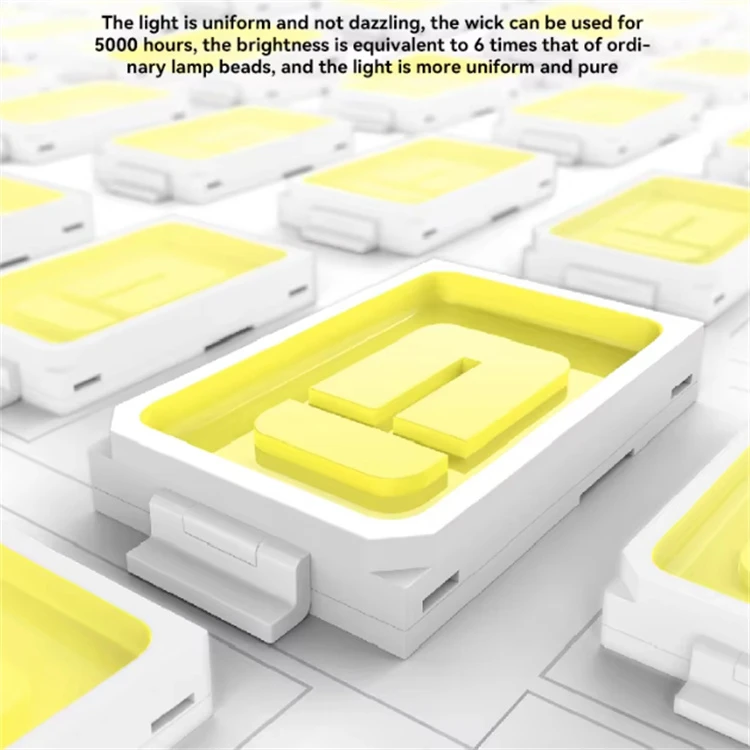
The fixture is populated with an array of high-quality, surface-mounted LED chips. These chips are designed to deliver an output equivalent to six times that of ordinary lamp beads. The light is incredibly intense, cutting through the darkest environments and illuminating vast work areas.
Anti-Glare and Uniform Light Distribution
Despite its raw power, the light is engineered to be "uniform and not dazzling." The diffuser design ensures that the light is spread evenly, eliminating harsh, blinding hotspots. This is critical for workplace safety, as it prevents the eye fatigue and temporary blindness that can lead to accidents.
Mounting and Ergonomics: The 180° U-Bracket
A light needs to be easily and securely positioned.
Thickened U-Shaped Bracket
The mounting bracket is constructed from thick, heavy-duty metal. It is designed to bear the considerable weight of the aluminum fixture without bending or drooping.
Stainless Steel Fixings and Multi-Angle Adjustment
The bracket is secured with stainless steel screws, which resist rust and seizure. The 180-degree rotation mechanism allows the user to precisely aim the light. Whether you need to flood a wall with light or pinpoint a specific work area, the bracket stays locked exactly where you put it, eliminating dead corners.
The Business Case: Purchasing Value and ROI
Why should a professional choose this premium, heavy-duty fixture over a cheaper alternative? The answer is found in a simple Return on Investment (ROI) calculation.
The True Cost of Cheap Lighting
When you buy a cheap plastic light, you are buying a consumable good. You will have to replace it every few months.
Eliminating Labor and Equipment Costs
The most expensive part of replacing a light is not the light itself. It is the scissor lift rental, the electrician's hourly wage, and the time spent managing inventory. By investing in a fixture with Full Aluminum Heat Dissipation and Thickened Glass, you eliminate the need for constant replacements. You pay more upfront, but you never pay for the installation labor again.
Preventing Operational Downtime
When a critical light fails at night, work stops. In construction and industrial settings, downtime is the ultimate enemy. A reliable light ensures operations continue smoothly, day or night, rain or shine.
Target Audience and Ideal Scenarios
This product is engineered for those who cannot afford equipment failure.
Construction and Heavy Industry
From high-rise scaffolding to open-pit mining, this light provides the indestructible, blinding illumination required to keep heavy operations running safely through the night.
Agricultural and Warehouse Facilities
Large barns and sprawling warehouses require high-bay lighting that is difficult to access. The massive heat sink and tough glass ensure these lights can be installed and forgotten for years.
Automotive and Emergency Services
Mechanics and first responders require portable or semi-permanent lighting that works instantly and survives being dropped in a puddle or struck by debris.
Conclusion: The Final Verdict on Longevity
The question of why work lights keep burning out has a definitive answer: cheap materials and poor thermal engineering. The solution is equally definitive: Full Aluminum Heat Dissipation combined with Thickened Tempered Glass.
Pros Summary:
Unprecedented Lifespan: The massive aluminum finned heat sink prevents thermal degradation, ensuring the LEDs last for tens of thousands of hours.
Indestructible Build: The drill-proof, thickened tempered glass and die-cast aluminum body make the fixture virtually immune to impact and weather damage.
Superior Optics: High-efficiency LED chips provide blinding brightness with a uniform, anti-glare distribution.
Total Weatherproofing: The rigid glass and stainless steel screw system create a hermetically sealed, IP-rated waterproof unit.
Maximum Versatility: The thickened 180° U-bracket allows for precise directional aiming, eliminating dark corners.
Cons Summary:
Weight: The massive aluminum heat sink and thick glass make this unit significantly heavier than cheap plastic alternatives, requiring sturdy mounting hardware (a necessary trade-off for maximum durability).
Final Recommendation:
Stop throwing money away on disposable lighting. If you are tired of the endless cycle of climbing ladders and replacing burned-out fixtures, upgrade to this Thickened Aluminum LED Floodlight. It is a masterpiece of industrial design, built to outlast the harshest environments and provide years of flawless, brilliant illumination. It is not just a purchase; it is the permanent end to your lighting headaches.
How To Cooperate With Us?
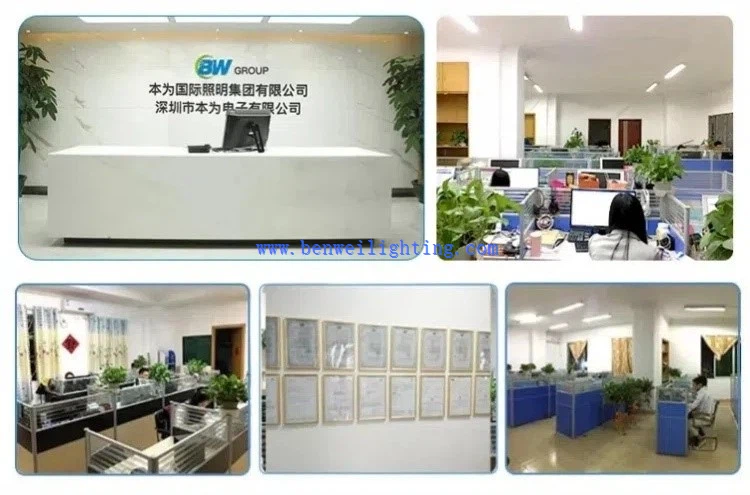
We are happy to have total control over the manufacturing process and the calibre of our products since we have our own facilities. Since we are producers rather than just brokers, we are dedicated to providing our customers with the best pricing. Since we are certain that the price and quality of our products are transparent, we advise customers to see our samples first. Our commitment to quality and customer satisfaction drives us to continuously provide top-notch goods.
Our address
3rd Floor, 5th Building, Hebei Industrial Park, Hualian Community, Longhua District, Shenzhen, China





