Self-sustainable living is becoming more appealing to the normal person, and who can blame them? The list of problems sounds like a warning about the end times (rising food prices, an unstable housing market, pesticides in our pesticides, etc.).
I want to talk to you about growing indoors with grow lights before you buy a full underground bunker and all the weapons that go with it.
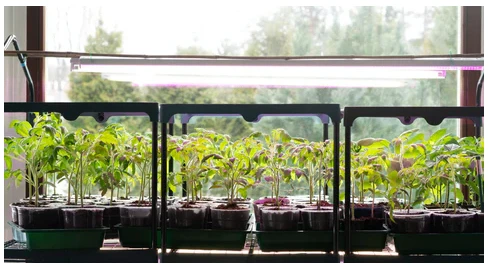
Growing plants indoors with full spectrum grow lights is becoming more popular among people who want to improve their gardening skills in a useful way.
Grow lights are a great way to bring your indoor garden to life when you can't get natural sunlight. Still, there are some things you should think about when using grow lights, like where your yard is located, what kinds of grow lights different plants need, and more.
Why is it a good idea to garden inside?
Growing plants in your home is a scientifically proven way to ease stress, unlike some of those "viral" anti-anxiety pills you can buy on Tik Tok Shop. Participants in one study were checked on things like their blood pressure, heart rate, and even their ability to pay attention. A study from the late 2000s also found that people recovering from different types of surgery and illnesses needed less pain medicine, were in the hospital for shorter amounts of time, and were able to go home faster when they were looking at plants during their recovery.
It is also known that plants can replace carbon dioxide with oxygen, which makes the air inside your home better. High-efficiency particulate air (HEPA) screens are the best way to clean the air inside, but some people can't afford the high price or the energy needed to run them. This is one reason why many people like the idea that their indoor plants are quietly and cheaply cleaning the air.
Using an indoor grow light lets you grow plants and seedlings all year, is good for your health, and is great for people who don't have much or any outdoor room.
How to Pick the Best Grow Light for Your Area?
You can buy three different kinds of grow lights. These are:
1. LED Grow Light
2. High-Intensity Discharge, or HID
3. Small Fluorescent Lamp, or CFL
Let's look at what those names mean and figure out which grow light will work best for your unit.
LED Grow light: This kind of grow light works best in large areas. This type of grow light uses the least amount of energy and can support full cycle growth. LED bulbs give off bright to strong light, but one of the best things about them is that they don't heat up as easily, making it easier to control the temperature. With LED grow lights, you usually have a lot more power over the color range. During the grow cycle, you can also change the settings to customize plant growth. This can stop or promote different types of plant growth.
Additionally, these grow lights last between 5 and 10 years and use little electricity, so your energy bill will not go up (which is a good thing in this market!). Even though LED units cost more up front than HID and CFL ones, they end up being cheaper over time because you won't have to buy lights for years.

High-intensity discharge (HID) light helps plants grow through all stages of their life cycle and is one of the most stable types of grow lights on the market. It costs less up front, but it uses more energy than LED grow lights. In fact, HID lights need new bulbs every year because the old ones tend to get too hot. First-time growers should be careful if they want to use HID lights because it may take some trial and error to keep crops from drying out from too much heat.
Some options to HIDs cost twice as much, but the upkeep costs can be different. For example, LED lights need to be serviced every 5–10 years, while you would have to buy new HIDs every 15–18 months because oxidation makes them less effective at giving off light. Because they use less energy and don't need as much upkeep, these grow lights are good for setups with more room and outdoor areas that can be used in the warmer months.
CFL: CFL grow lights are the easiest for beginners to get because they are easy to find and set up. These don't need a lot of power and don't give off much heat. Incandescent lights use more power and produce more lumens than CFLs. Plus, they stay cool a lot longer than HID and LED lights. CFL lights can be a good choice if you only use them for veg and your yard is small. But they aren't strong enough to be the main source of light for a bigger yard or blooming plants.
Also, it's important to know that CFLs are illegal in some states in the U.S., so check the laws in your state before you buy any. These bans on CFLs have been put in place and will start at different times. This is because different state energy laws say that light bulbs used in homes and some businesses must now be much more energy efficient. Some incandescent and fluorescent goods can meet the new standards, but most of them use most of their energy to make heat.
What kinds of plants do BEST when Grow Lights are used?
It's very easy to grow cool-season leafy greens like microgreens, watercress, sorrel, lettuce, and spinach indoors, even if you've never done it before. You don't have to pollinate these plants unless you want to grow them for their seeds. They do well with LED grow lights. For cool-season plants like parsley, cilantro, thyme, chervil, turmeric, and mint, as well as many root veggies grown below ground or at ground level, you should also think about LED grow lights. As well as broccoli, cabbage, green onions, leeks, and garlic, these are radishes, carrots, parsnips, beets, and turnips.
Even plants that don't need much light, like ferns, ivy, and common potted plants like succulents, may benefit from extra grow lighting if they're put in darker areas of your home. However, I would suggest smaller, less noticeable grow lamps for this type of setup because a standard LED fixture can be pretty big.
Alternatively, if you want to grow cucumbers, squash, melons, and small fruits like strawberries or other berries, it might be hard because they need pollinators to help them grow. If you don't mind sharing your apartment with bees, you could do this by hand, but it would be very time-consuming and might not work, even for a seasoned gardener.
How to put your grow light together?
As long as you know the right sizes, most grow lights are easy to set up. To make the best choice for your grow light setup, you should ask yourself these things:
How much room do you need to cover?
Will you use grow lights to start seeds or to let plants grow all year?
How tall will the plants be when they're fully grown?
For even light, you should put up enough grow lights to cover the whole area. Make sure to measure the room so that you have all the information you need to choose the right size lights. There should be about one to two feet of space between a grow lamp and the surface of a plant. This depends on what your plants like. If you want to find out, you can ask your plant directly, but because some plants are shy, you'll probably have more luck Googling it.
When should you use your grow light?
It's best to leave grow lights on for eight to ten hours every day. The exact times may be different based on how your setup is set up. One reason LED grow lights are so famous is that they can be used for a long time. For lights that you leave on all day, it's best to choose ones that use little electricity.
Most people who have access to outdoor areas only use their grow lights and indoor growing space in the autumn and winter, when the weather is cooler. This helps them get more consistent crop yields. Many people who choose to garden indoors, on the other hand, can't get direct sunlight or land outside, like people who live in flats or towns with lots of people and not much yard space. That being said, you can be sure that your grow lights will help you all year, no matter what.
Our address
3rd Floor, 5th Building, Hebei Industrial Park, Hualian Community, Longhua District, Shenzhen, China
Phone Number
+8618878216759
bwzm6@ledbenweilighting.com