Product Specification:
| Wattage | 200W/300W/500W/600W/800W ±5% |
| Input | 100-240V AC, MeanWell |
| Dimming Type | Knob button |
| Dimension | 310*310*200mm |
| 490*490*201mm | |
| IP Grade | IP20 |
| Beam angle | 120°/60°/30° |
| Working temperature | -10-50℃ |
| Material & Housing Data | |
| Housing Color | Black |
| Housing Material | Aluminum |
| Cover material | glass |
| heat dissipation | 4 fans |
| Wire plug | EU/AU/US 1.5meter plug wire |
| Photometric Data | |
| Led cihp brand | LG/Epistar/Epileds |
| chip type | SMD3535 with copper substrate |
| SMD2835 aluminum substrate | |
| Ee(mW/cm²) | 200W 365nm 230mW/cm² |
| 600W 365nm 420mW/cm² | |
| 800W 365nm 590mW/cm² | |
| Wave length | 395nm/365nm/375nm |
| Life time | 10000Hrs |
product key technologies
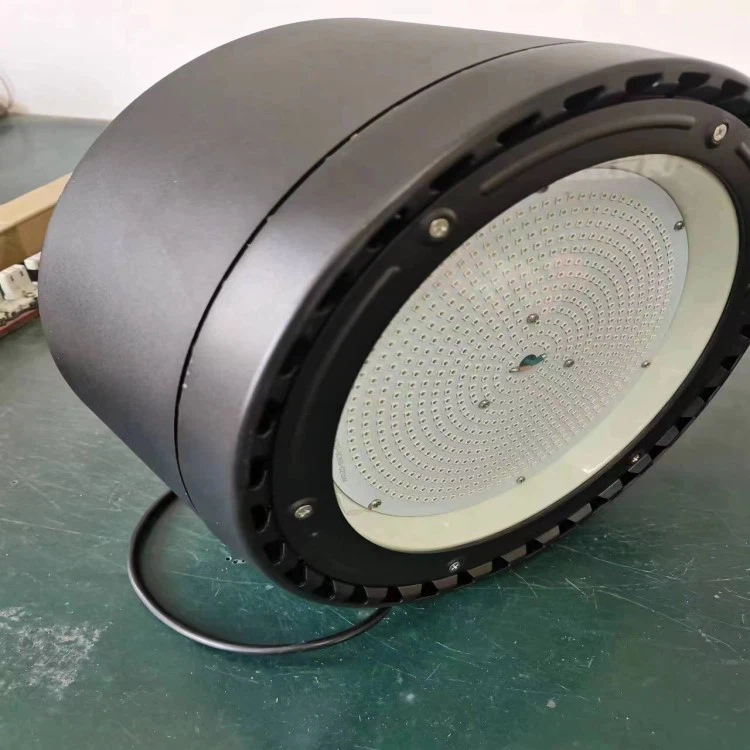
1. The LED bulb generates UV light at 375nm, which is inside the UVA range. This wavelength is highly efficient in activating various photocatalysts, including titanium dioxide (TiO2), which is often employed to degrade pollutants or synthesise complex compounds. The 375nm wavelength provides efficient energy delivery while limiting undesired high-energy radiation, which may damage materials or pose safety issues.
2. With a 200-watt output, this lamp produces strong UV irradiation, resulting in speedy and efficient photochemical processes. Such high power enables scalability in industrial applications as well as flexibility for laboratory research that need powerful and reliable UV sources.
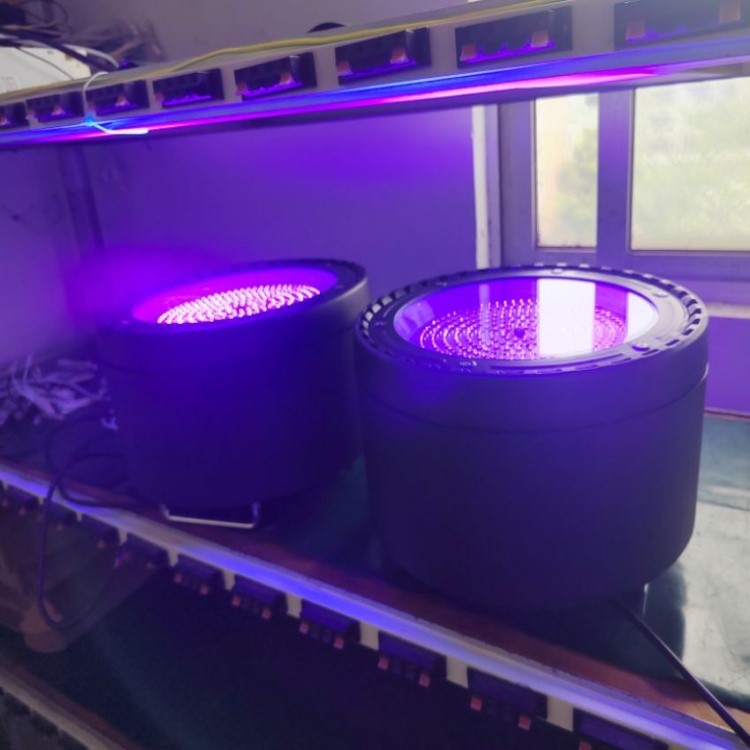
Photochemical catalysis is the use of light, often ultraviolet or visible, to speed up chemical processes without consuming the catalyst itself. The 200W Photochemical Catalysis 375nm LED Lamp is designed to generate UV light at a specified wavelength of 375 nanometres, triggering efficient photochemical reactions. Compared to typical UV lamps, this LED-based solution is more energy efficient, has a longer lifetime, and operates in an ecologically responsible manner, making it a great tool for scientific study, industrial operations, and environmental applications.
Usage
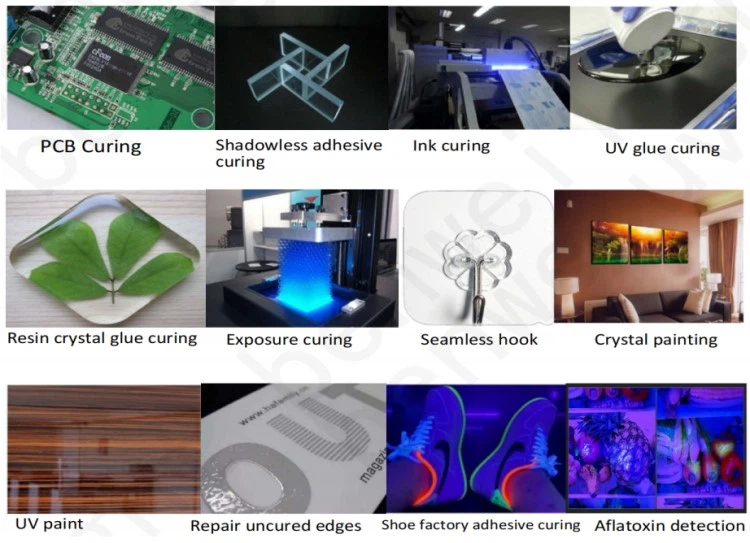
1. Clean water and advanced oxidation processes (AOP)
Organic pollutants, drugs, dyes, pesticides, and new toxins in wastewater are broken down. The 375 nm frequency can get through slightly cloudy water and drive TiO2–based photocatalysis to work.
2. Cleaning the air and getting rid of VOCs.
Industrial exhaust systems, HVAC units, and air filters all use photocatalytic oxidation to get rid of formaldehyde, benzene, toluene, and smells.
3. Making chemicals from light and "green chemistry"
Selective oxidation, reduction, and coupling can happen in batch or continuous-flow photoreactors. Ideal for making fine chemicals and medicinal products in mild conditions.
4. Surface cleansing and washing on their own.
When combined with photocatalytic coatings, they create surfaces that kill microbes, glass and tiles that clean themselves, and solutions that stop fouling.
Our company
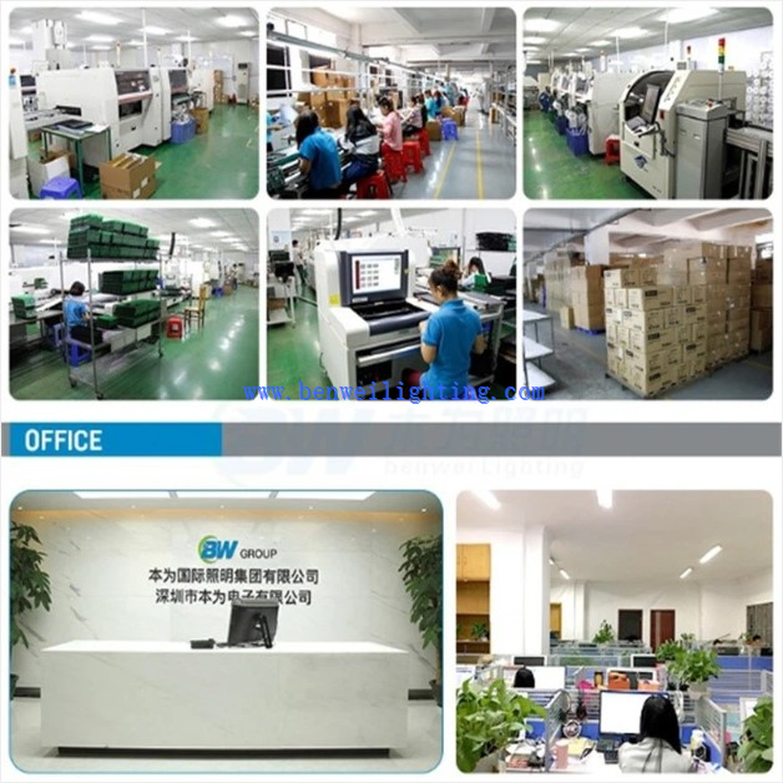
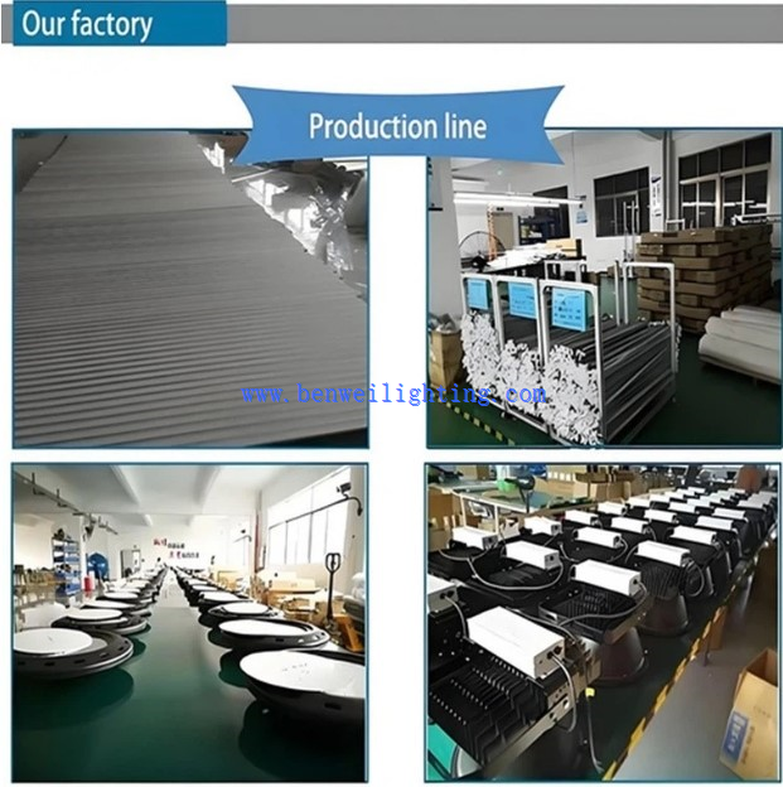
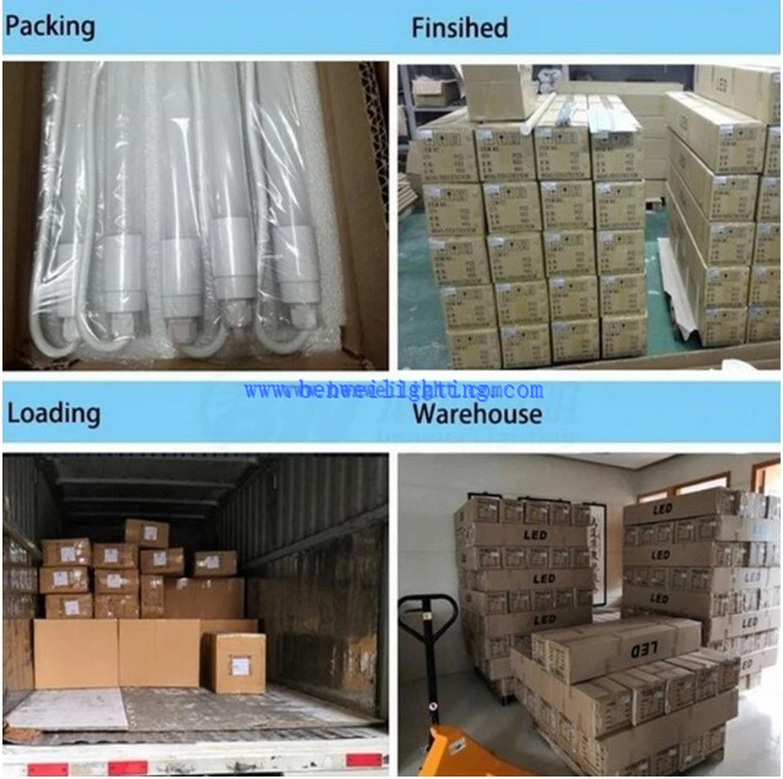
Shenzhen Benwei Lighting Technology Co., Ltd was established in 2010. It is a national high-tech enterprise integrating design, R&D, production and sales of indoor and outdoor lighting products and also can do OEM ,ODM .