

Photocatalysis and photochemical processes are becoming more relevant in sectors such as green chemistry and environmental remediation. The primary light source for these processes is likewise transitioning from conventional mercury lamps to more efficient and environmentally friendly LED technology. Today, we'll look at the special properties of 310nm UVB LED lights in photochemical catalysis.
What is 310 nm Photochemical Catalysis?
Photochemical catalysis is the process of employing light energy to stimulate catalysts or operate directly on reactant molecules to generate chemical reactions. The 310nm wavelength is in the UVB band (280-315nm), with photon energy of about 4.0 eV. This energy activates semiconductor photocatalysts (such modified TiO₂, ZnO, or other wide-bandgap materials) and allows for direct photolysis of many organic contaminants.
Compared to the regularly used 365nm UVA LEDs, 310nm LEDs provide more photon energy and often outperform them in decomposing resistant organic compounds, pharmaceutical residues, and poisons.
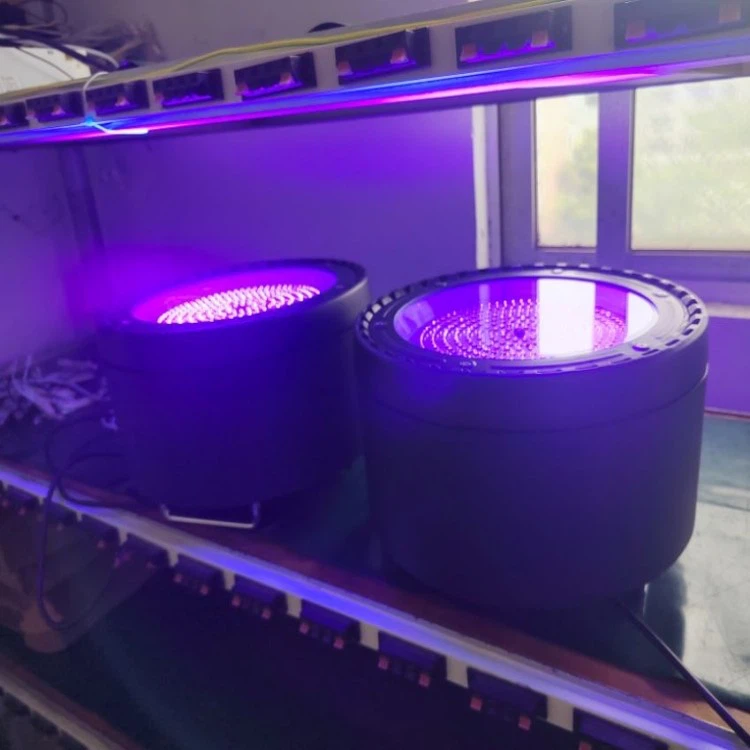
Key features of 310nm UV LED lamps
Precise Wavelength and Narrow Spectrum: The peak is at 310nm, with a typical full width at half maximum (FWHM) of 10-15nm, providing highly focused energy with little waste.
High-Energy Photons: Combines direct photolysis with photocatalysis to accelerate reaction speeds.
Instant On/Off and Intelligent Control: A millisecond response time combined with good PWM dimming performance allows for fine control of reaction processes.
Long lifetime and Eco-Friendly: A single lamp has a lifetime of 10,000-30,000 hours, is mercury-free, produces little ozone (depending on model), and is RoHS compliant.
Modular Design: Small size, simple integration into microreactors, flow photoreactors, or large-scale water treatment systems.
Thermal Management: Although the efficiency is less than 365nm, steady operation is possible with suitable cooling systems.
Compared to typical medium-pressure mercury lamps, 310nm LED systems use less energy, need less maintenance, and emit fewer toxic byproducts.
Main Application Areas
1. Advanced Oxidation Processes (AOP) and Water Treatment
310nm LEDs are excellent in degrading new pollutants such antibiotics, hormones, and pesticides. Studies reveal that, when paired with TiO₂ or other catalysts, 310nm systems obtain much greater removal rates for drugs like acetaminophen and diclofenac than typical UVA systems. They are ideal for pharmaceutical wastewater, hospital wastewater, and somewhat contaminated water sources.
2. Air Purification and VOC Degradation.
Used in indoor air purifiers and industrial exhaust treatment systems to efficiently breakdown formaldehyde, benzene-series chemicals, and other volatile organic compounds while also sterilising and deodorising them.
3. Photochemical Organic Synthesis.
In green chemistry labs and pharmaceutical intermediate manufacture, 310nm LEDs are utilised for selective oxidation, isomerisation, and other processes. Monochromatic LEDs outperform broad-spectrum mercury lamps in terms of product selectivity and side reactions. Commercial parallel photoreactors (310nm channels) are currently frequently employed in research and development.
4. Disinfection and antibacterial applications.
Bacteria, viruses, and biofilms are all effectively inactivated. It is widely used for surface disinfection, water sterilisation, and food processing.
5. Other emerging applications.
This includes photocatalytic hydrogen generation, CO₂ reduction, and optimised Vitamin D3 synthesis methods.
Why Choose 310nm LEDs?
Balanced Performance: Stronger penetration than UVC (254nm) with more adaptation to water quality, and more energy than UVA for more comprehensive responses.
Improved safety: No mercury danger, lighter systems, appropriate for dispersed and transportable equipment.
Smart Potential: Can be combined with sensors for on-demand illumination and real-time optimisation, resulting in considerable energy savings.
Cost Trend: As UVB LED chip technology advances, the initial investment is fast decreasing, and lifespan costs are often lower than those of conventional lighting sources.
Real-World Example: A laboratory utilising a 310nm LED array paired with a TiO₂ fixed-bed reactor produced over 85% TOC removal within 2 hours while treating wastewater containing various medicines, considerably surpassing the 365nm control group.
Challenges and Solutions
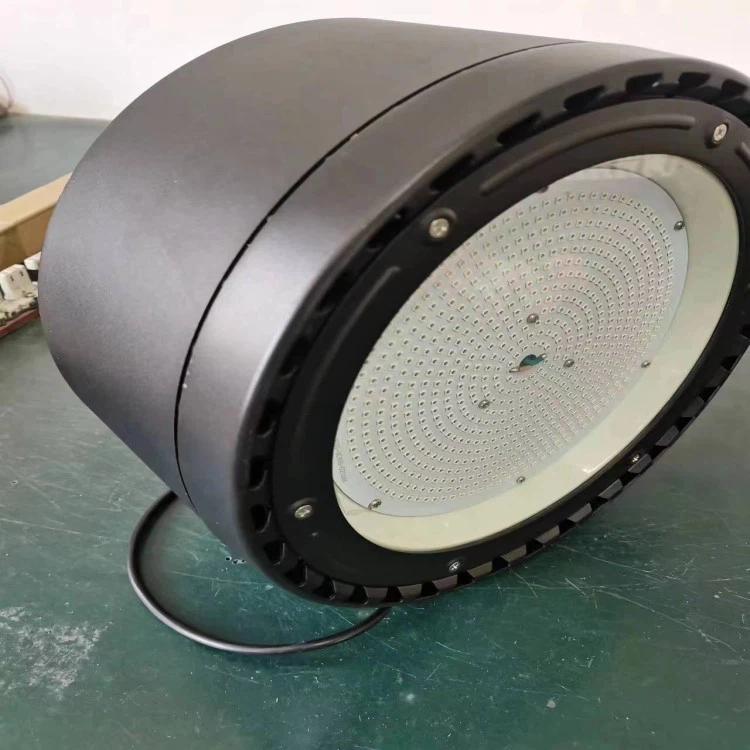
Efficiency is still improving: While wall-plug efficiency of UVB LEDs is now lower than UVA, it is increasing quickly year after year.
Thermal management requires high-quality aluminium substrates or water-cooling systems.
Reactor design requires optimisation of light dispersion and mass transfer. Flow reactors and optical fibre photoreactors are advised.
UVB may harm skin and eyes, thus appropriate protection is vital.
Future Outlook
Driven by carbon reduction targets and green manufacturing strategies, 310nm UVB LED photochemical catalysis technology is seeing tremendous expansion. It is not only a precise laboratory instrument, but it also plays an important role in industrial water treatment, air purification, and sustainable chemical manufacture. In the future, when paired with AI control and upgraded catalysts, 310nm systems are likely to reach large-scale applications in a wider range of situations.





