

A GUIDE TO PLANNING AND INSTALLING LED RECESSED LIGHTING!
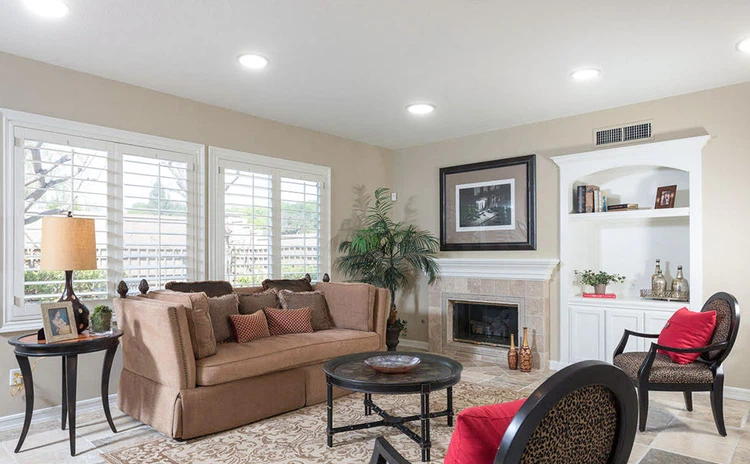
It is difficult to properly illuminate every area of the house, let's face it.
Lighting is frequently a difficult job, whether you are constructing a new house or remodeling an existing one.
Fortunately, LEDs are hailed as the illumination savior regardless of how challenging a location's lighting is.
Although putting an LED panel light would be challenging, some uses call for a high lumen production in a constrained space.
Recessed illumination or LED downlights come into play in this situation. Recessed lighting installation has many benefits because it offers more freedom than panel lighting.
The LED lights that are placed or inserted in the ceilings are called LED downlights or recessed lighting. Since they are placed this way, all of the light is pointed downward.
ANYWHERE IN HOUSES, WORKPLACES, OR OTHER STRUCTURES CAN USE RECESSED ILLUMINATION OR LED DOWNLIGHTS FOR

1. lighting up a specific area or location within the structure,
2. Draw attention to a specific area or feature of the space or structure.
WHAT DO YOU PREFER: AN EYEBALL TRIM OR A BAFFLE TRIM?
Baffle-trimmed downlights or recessed lights produce a broad stream of light, whereas eyeball-trimmed downlights can support a rotatable light. This makes it easier for the lights to target a specific area.
WHERE DO YOU NEED COLOR TEMPERATURE?
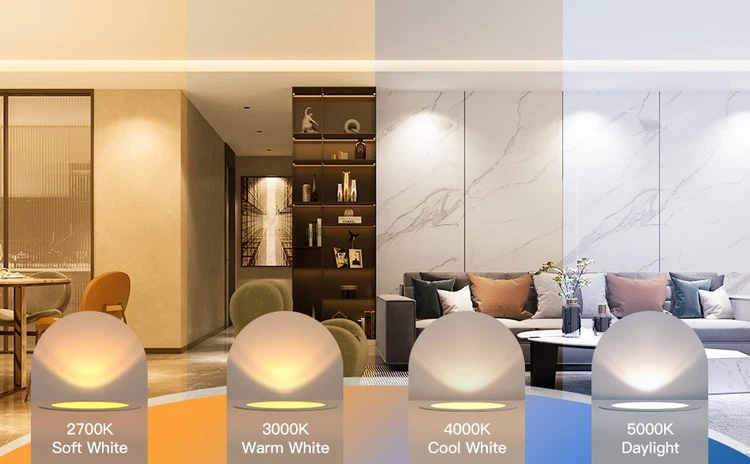
1. Color values are important, and LEDs can produce a much broader variety of them. Look on the bulb's packaging for the color tone.
2. A soft yellow light with a 3000 kelvin temperature is ideal for beds and living areas. For relaxing environments, this hue tone is ideal.
3. The 4000–5000 kelvin spectrum of LEDs is ideal for use in restrooms, kitchens, and garages.
WHAT CONTAINS YOUR CURRENT WIRE?
Is it aluminum or copper? What kind of cables are you using, and what gauge?
Make sure to use the same kind of cable for both the replacement fixtures and the original installation.
Additionally, if your present cabling doesn't have a ground line, have a licensed electrician fix it.
PRO+:
1. Be sure to turn off the electricity in the area where you'll be working before starting the assembly.
2. Hire an electrician to do it for you if dealing with electricity makes you uncomfortable.
3. Check the current running through the wire once more using the voltage meter.
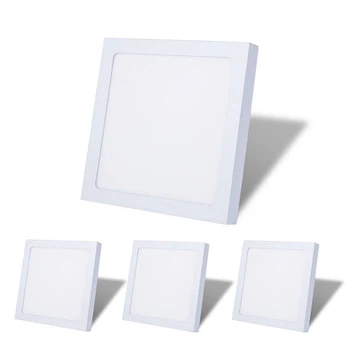
HOW CAN RECESSED LIGHTING BE INSTALLED?
Generally speaking, the roof ought to be empty, like the ceilings in attics. Additionally, look to see if there are any wires going directly above the roof.
1. Determine the areas that require lighting. Watch the distances between the lights.
2. You must drill a cavity in the ceiling because LED downlights are built into the ceilings.
3. Draw the opening's shape using the template given in the box as a guide.
4. To measure the vertical spacing of the hollow, drill a hole through the middle of the outline.

OUTPUT THE HOLE
It's time to cut the opening once you're certain there are no wirelines or pipes directly above the suggested location.
Now use a drywall circle tool, which is accurate and simple to use, to remove the designated hole.
Replace the outdated fixture and rewire it.
1. It is now time to remove the present fixture and disconnect it from electricity because the indicated hole has been cut out.
2. Place the housing inside the hollow if the ceiling is completed, and then attach the pins on the side of the fixture to fasten into the ceilings.
3. Run a wire to the switch box directly from the power source, then through the opening. Additionally, allow a wire space of at least 20 inches. 4. If additional connections need to be made in the future, the spare cable will offer some freedom.
ASSURE THAT THE JUNCTION BOX IS POWERED
1. Red, black, and white are the main three colors of the cable that emerges from the opening.
2. Each cable should be connected to the junction box's input side. 3. Connect the red wire to the red terminal, the white wire to the white terminal, and the black wire to the black terminal.
4. JOIN THE JUNCTION BOX WITH THE LED DOWNLIGHTS.
5. To finish it off, attach the junction box and connection for the LED downlight.
6. All of the pins in the connections are designed to fit in their respective holes.
FILL THE HOLE WITH THE DOWNLIGHT
1. The screws needed to install an LED downlight fixture into plasterboard are included.
2. Put the second pin into position gingerly after placing the first pin against the edge of the opening.
3. Install the trim into the housing for the completed ceiling in accordance with the manufacturer's directions.
4. Turn on the primary power at this time.
A RETROFIT IS
1. Look for E26 base bulbs and place them straight into the fixture if you want to adapt the old one.
DARKER IMPLICATIONS
1. The quantity of fitted LED modules, the wiring setup, and the dimmer range change setting all affect dimming performance.
2. It's crucial to mount a minimum of 4 LED panels onto one dimmer for the best outcomes.
3. Turn the dimmer to the highest setting before turning on the LED lights so you can start changing the luminance level from the highest setting






