

Introduction: The Bulb as a Decor Decision
From Invisible Utility to Visible Design Element
For most of the twentieth century, the residential light bulb was a consumable hidden behind a shade or inside a frosted globe. Its job was to produce light; its appearance was irrelevant to the design of the room. That assumption no longer holds. The 2026 lighting conversation is dominated by the idea that fixtures are "jewelry for the room," with sculptural pendants, patterned shades, and statement pieces treated as essential architectural elements. When the fixture becomes an object of visual interest, the bulb inside it becomes visible by extension. A bulb with a harsh, industrial silhouette or an uneven light distribution undermines the fixture it inhabits; a bulb with a considered form and a soft, diffused output completes it.
This is the context in which the Type A and Type B E27 LED bulbs should be evaluated. They are not competing with decorative filament bulbs for the role of "visible vintage statement." They occupy a different aesthetic position: clean, contemporary, and optically quiet. Their value lies in belonging-in providing the light a room needs without introducing visual noise into the composition.
The 2026 Aesthetic Context: Warmth, Layering, and Human-Centric Light
Three themes in the 2026 design literature frame the aesthetic argument. The first is layering. Designers are moving away from uniform recessed grids toward combinations of ambient, task, and accent light that shift with mood and time of day. The second is warmth. Cool, clinical tones are being replaced by warm CCTs, tactile materials, and finishes in warm metallics and matte textures. The third is wellness. Lighting that supports visual comfort and circadian rhythm is no longer a premium upgrade but an expected baseline.
A bulb that belongs in this aesthetic must do more than produce lumens. It must produce the right kind of light-soft enough to flatter, warm enough to comfort, and stable enough to support long hours of evening use-and it must do so in a form that does not disrupt the visual composition of the room. The Type A and Type B bulbs, with their PC lampshade and E27 universality, are designed to meet that specification.
What This Article Examines
This article treats the Type A/B E27 LED bulbs as decor objects with technical obligations. Part 2 examines the aesthetic logic of 2026 residential lighting and why the bulb's form matters within it. Part 3 analyzes the two silhouettes-Type A and Type B-and their respective roles in different fixture and room contexts. Part 4 examines the optical contribution of the high-transmittance PC lampshade to the quality of ambient light. Part 5 discusses the E27 interface as a quiet enabler of aesthetic versatility. Part 6 addresses the thermal architecture that allows the bulb to remain a decor decision over time. Part 7 offers a practical styling and specification framework, and Part 8 concludes.
The Aesthetic Logic of the Visible Bulb
Layered Lighting and the Return of the Bulb-Based Fixture
The shift away from single-source overhead lighting has a direct consequence for the bulb: it multiplies the number of fixtures in a room, and it increases the proportion of those fixtures in which the bulb is at least partially visible. Sconces, pendants, floor lamps, and table lamps-the layer-building fixtures that designers now favor-often expose their bulbs or use shades that reveal the bulb's silhouette from certain angles. The bulb is no longer a hidden engine. It is a participant in the room's visual field.
This participation can be an asset or a liability. A bulb with a clean, rounded silhouette and a softly diffused surface reads as intentional. A bulb with a mechanical or industrial profile, or one that produces visible glare and harsh shadow patterns, reads as an afterthought. The Type A and Type B shapes belong to the first category. Their forms are simple without being anonymous, and their PC diffusers soften the LED source into a continuous, comfortable glow.
Warmth as a Material Quality, Not Just a Color Temperature
The 2026 emphasis on warmth is not confined to color temperature. It extends to the tactile quality of light-how it falls on surfaces, how it renders texture, and how it feels in the room after dark. Warm-dim glass globes, opal diffusers, and frosted shades are explicitly identified as tools for reducing glare and helping occupants wind down in the evening. The PC lampshade on the Type A/B bulbs belongs to this family of diffusing materials. Its frosted surface converts the point-source emission of the LED array into an even, low-glare output, which is the optical precondition for the warm, comfortable atmosphere the 2026 aesthetic demands.
The bulbs also support the warm-white CCT range that designers consistently recommend for living rooms and bedrooms. For a living room, bedroom, or dining room, a temperature of 2,200 to 2,700 K is generally described as giving a warm, pleasant light, while 2,700 to 3,000 K is well suited to living rooms, bedrooms, hallways, and reception areas. A bulb that delivers this warmth through a diffused surface, rather than a bare source, integrates the technical and the aesthetic into a single product decision.
The Wellness Dimension: Soft Light and Visual Comfort
Wellness-focused lighting is now a mainstream expectation rather than a niche preference. Sixty percent of homeowners report adjusting lighting based on mood or time of day, and half prioritize ambience in their lighting choices. The wellness dimension of a bulb is not only about color temperature or dimming capability. It is also about glare. A bare LED source in the field of view produces discomfort and visual fatigue regardless of its CCT. A frosted PC diffuser eliminates that discomfort by spreading the source luminance across the entire shade surface, reducing the peak brightness that the eye must accommodate.
This is the aesthetic value of optical comfort: a room that feels calm rather than clinical, restful rather than stimulating. The Type A/B bulbs contribute to that outcome not by adding a feature, but by removing a source of visual stress.
Type A and Type B: Two Silhouettes, Two Decor Roles
Type A: The Rounded Cap and the Language of Softness
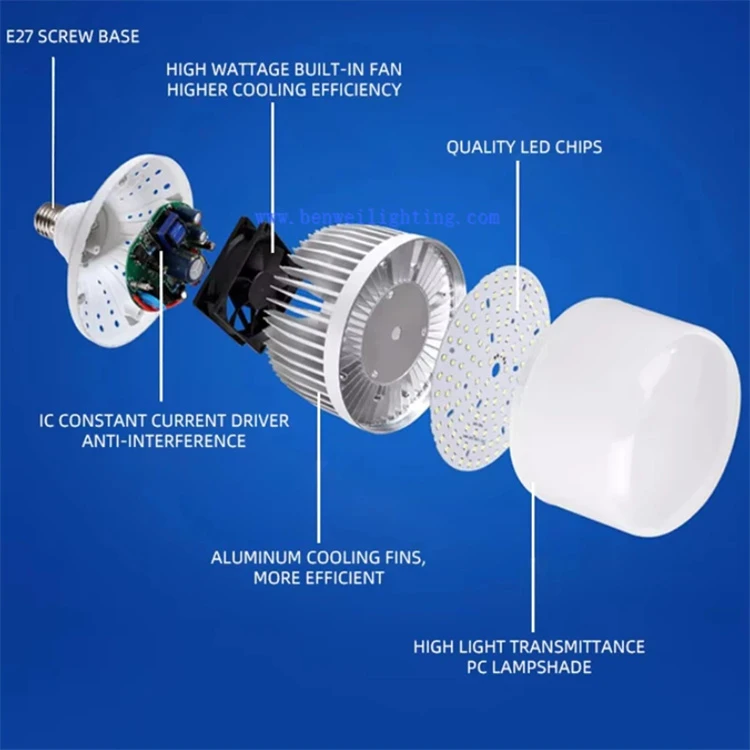
The Type A bulb, as shown in the product imagery, features a gently rounded cap that transitions into the technical section housing the fins and driver. Its silhouette is soft without being formless-a curved top that reads as approachable and domestic rather than industrial. In a fixture where the bulb is visible, this rounded cap serves a compositional function: it softens the transition between the glowing surface and the fixture hardware. It is the shape that says "lamp" rather than "component."
In practical decor terms, Type A is the more versatile of the two silhouettes. It suits table lamps with open tops, floor lamps with shallow shades, and pendant fixtures with wide apertures where the bulb's upper profile is visible. Its rounded form is also more forgiving in rooms with curved furniture, soft textiles, and organic decorative elements-the same qualities the 2026 trend reports associate with the move away from stark minimalism.
Type B: The Elongated Form and the Language of Refinement
The Type B version extends the diffusing section into a taller, more cylindrical profile. The result is a silhouette that reads as more slender and more deliberate-a form that belongs in fixtures where the bulb is meant to be seen as a designed object, not merely a light source. In the context of 2026 trends, this elongated profile aligns with the interest in "sculptural" and "statement" lighting elements. The bulb becomes a quiet sculptural presence rather than a purely functional one.
Type B is particularly effective in pendant fixtures with narrow apertures, in sconces where the bulb projects forward from the wall, and in table lamps with tall, slender shades. Its vertical emphasis complements interiors that use height and proportion as compositional tools, and it avoids the visual "dome" effect that a rounder bulb can produce in a tightly framed fixture. The choice between Type A and Type B is therefore not a matter of performance-both share the same E27 interface, PC diffusion, and thermal architecture-but of how the bulb's silhouette relates to the fixture and the room.
Choosing Between the Two: A Compositional Heuristic
The practical heuristic is straightforward. Choose Type A when the fixture has a wide or open aperture and the bulb's upper profile is visible from a normal viewing position. Choose Type B when the fixture is narrow, tall, or oriented vertically, and when the bulb is intended to read as a slender element within the composition. In rooms where multiple fixtures are used-a pendant over a dining table, sconces flanking a mirror, a pair of bedside lamps-consistency of silhouette is more important than either individual shape. The two types can be mixed, but the mixing should be intentional: Type A in the softer, lower fixtures and Type B in the taller, more architectural ones.
This is the decor logic of the product: two silhouettes that share a common optical and thermal character but offer different compositional personalities. The buyer is not choosing between "better" and "worse." The buyer is choosing the shape that belongs in the room.
The PC Lampshade: Where Optics Become Atmosphere
Diffusion as an Aesthetic Material
The high-transmittance PC lampshade is the component that transforms the Type A/B bulbs from light sources into atmosphere-makers. Polycarbonate diffusers with controlled diffusion achieve total light transmittance in the range of 85–92%, while converting the point-source emission of the LED array into a soft, even glow. This is not a cosmetic addition. It is the optical mechanism that produces the visual comfort the 2026 aesthetic requires.
The aesthetic effect of a frosted PC shade is distinct from that of a clear or filament bulb. A filament bulb makes the source itself the visual subject: the glowing wire, the glass envelope, the vintage reference. A frosted PC shade makes the light itself the subject. The source disappears into a uniform surface of luminance, and the room receives illumination that feels ambient rather than directional. This is the quality that makes a bulb suitable for the layered, scene-setting lighting that designers now favor. It provides the soft, glare-free background against which accent and task layers can operate.
Glare Control and the Quality of Evening Light
Glare is the enemy of residential atmosphere. A bulb that produces a bright, concentrated point of light in the field of view forces the eye to adapt around it, creating a sense of visual tension even when the overall light level is adequate. The PC shade eliminates this tension by spreading the source luminance across the full surface of the diffuser. The result is a light that feels lower in contrast, easier on the eye, and more conducive to relaxation.
Research and product literature on frosted and opal diffusers consistently describe this effect: soft, even, glare-free light that enhances the atmosphere of a room and supports comfortable ambient illumination for reading and relaxing. The PC shade on the Type A/B bulbs delivers this effect in a form factor that fits standard E27 fixtures, which means the aesthetic benefit is available without changing the fixture. The bulb upgrades the quality of the light the fixture already provides.
Light Distribution and the Absence of Shadow Patterns
A less obvious but equally important aesthetic contribution of the PC diffuser is the elimination of shadow patterns. When a bare or clear bulb is used inside a fabric or paper shade, the filament or LED array can cast visible shadow lines against the shade material, producing a busy, distracting texture on the shade surface. A frosted PC diffuser prevents this by distributing the light evenly across the shade. The result is a clean, unbroken glow that lets the fixture's material and form read as intended.
For the decor-conscious buyer, this is a meaningful advantage. The fixture is often the more expensive and visually prominent element; the bulb should support it, not compete with it. The PC shade makes the bulb a cooperative component of the fixture's appearance rather than a source of visual interference.
The E27 Interface: Quiet Versatility and Aesthetic Continuity
Standardization as a Decor Enabler
The E27 screw base is the most widely deployed lamp interface in residential lighting, which means the Type A/B bulbs can be installed in an extraordinary range of fixtures without adapters or modifications. This universality is not merely a convenience. It is an aesthetic enabler. It allows the same light quality and the same diffused character to be carried consistently across every fixture in a room-the pendant, the sconces, the floor lamp, the bedside lamp-without the color shifts, glare differences, or intensity mismatches that arise when different bulb types are mixed.
Designers consistently emphasize the importance of visual continuity in layered lighting schemes. The E27 interface makes that continuity achievable at the bulb level, which is the level where most residential lighting decisions are actually made. The buyer can standardize on the Type A or Type B silhouette and the PC diffusion quality across the entire home, creating a coherent light environment that supports the decor rather than fragmenting it.
Type A and Type B Within the E27 Ecosystem
Within the E27 ecosystem, the Type A and Type B bulbs occupy a specific aesthetic niche. They are not the vintage filament bulbs that serve as "statement" objects in industrial or retro-modern interiors; those have a different visual language and a different decorative role. Nor are they the compact, utilitarian bulbs that disappear into recessed fixtures. They are the clean, contemporary middle ground: bulbs that provide soft, even light in fixtures where the bulb is visible, without introducing a strong stylistic reference of their own.
This positioning is strategically valuable for the decor-minded buyer. It means the bulbs can coexist with a range of fixture styles-modern minimal, soft contemporary, warm Scandinavian, and the "de-styleized" interiors that 2026 trend reporting identifies as a growing direction in residential design. The bulb does not impose a style. It supports the style the room already has.
Warm CCT and the Coherence of the Evening Home
The E27 interface also allows the homeowner to standardize on a warm color temperature across the home's evening lighting. The 2026 design consensus favors warm-white sources in the 2,200–3,000 K range for living and sleeping areas, and the Type A/B bulbs are specified to deliver this warmth through a diffused PC shade. When every fixture in the evening zone uses the same warm, diffused light, the home achieves a coherence that is difficult to maintain with mixed bulb types. The aesthetic benefit is a sense of calm continuity from room to room-the visual equivalent of a consistent color palette.
The Thermal Foundation of Lasting Aesthetics
Why a Beautiful Bulb Must Also Be a Durable Bulb
Aesthetics and durability are not separate conversations. A bulb that produces beautiful light for six months and then begins to dim, shift color, or flicker is not an aesthetic asset. It is a maintenance problem that gradually erodes the visual quality of the room. The 2026 consumer expects lighting to be a long-lifecycle design decision, not a disposable consumable. That expectation applies to the bulb as much as to the fixture.
The thermal architecture of the Type A/B bulbs-the aluminum fin heat sink and the integrated active cooling fan-is therefore part of the aesthetic case, not a separate technical footnote. The PC shade produces the soft, glare-free light that the room needs. The thermal system keeps the LED junction within its operating window so that the light remains soft and stable over the service life. Without the heat path, the diffuser's optical quality would be undermined by the LED's thermal degradation: color shift, lumen depreciation, and eventually flicker or failure.
Maintaining Color Quality and Diffusion Over Time
Color rendering is not static over an LED's life. High junction temperatures reduce the LED's color rendering index and shift the spectral output in ways that make surfaces look duller and less saturated. In a residential context, this means the warm, flattering light that made the room feel inviting at installation can gradually become cooler, flatter, or less faithful to the colors of textiles, wood, and painted surfaces. The aluminum fins and active fan keep the junction temperature within the window where the phosphor chemistry performs as designed, which preserves the color quality that the PC shade was chosen to deliver.
This is the aesthetic significance of thermal management: it is the mechanism that keeps the light looking the way it looked on the day the bulb was installed. The decor decision is not complete until the bulb has the thermal foundation to remain a decor asset.
Long Service Life and the Continuity of the Design Vision
The average homeowner does not want to re-select a bulb every year. The aesthetic vision for a room-the warm evening light, the soft diffusion, the consistent silhouette across fixtures-depends on the bulbs remaining in service and remaining consistent. A thermally well-managed E27 bulb targets a service life in the tens of thousands of hours, which means the design vision can persist through years of use without interruption. The thermal architecture is, in this sense, the warranty behind the aesthetic promise. It is what allows the Type A/B bulbs to be a long-term decor decision rather than a short-term styling choice.
Styling and Specification: A Practical Framework
Matching Silhouette to Fixture and Room
The first specification decision is silhouette. Choose Type A for fixtures with wide or open apertures, lower pendant heights, and softer, rounder room compositions. Choose Type B for narrow apertures, vertical or elongated fixtures, and rooms where height and proportion are important compositional elements. In rooms with multiple fixtures, standardize on one silhouette for visual continuity, or use the two types intentionally: Type A in lower, softer positions and Type B in taller, more architectural ones.
Selecting Warm CCT and Diffusion for Evening Comfort
For living rooms, bedrooms, and dining areas, select a warm-white CCT in the 2,700–3,000 K range, which product and design guidance consistently identifies as suitable for relaxation and evening atmosphere. The PC diffuser should be the high-transmittance type, both for optical efficiency and for the soft, glare-free quality that supports visual comfort. Avoid clear or low-diffusion bulbs in fixtures where the source is visible; the glare will undermine the calm that the warm CCT is intended to create.
Verifying Fixture Compatibility and Thermal Environment
Confirm that the fixture accepts an E27 base and that the bulb's dimensions-including the finned section and the PC shade-fit within the fixture's available space. In enclosed fixtures or fixtures with limited ventilation, confirm the bulb's suitability with the manufacturer, because the thermal architecture assumes a certain airflow path. A bulb that fits physically but cannot breathe will not deliver the long-term aesthetic consistency the design depends on.
Planning for Coherence Across the Layered Scheme
Map the room's lighting layers-ambient, task, accent-and assign the Type A or Type B bulbs consistently across the fixtures in each layer. The goal is a coherent light character: the same warmth, the same diffusion quality, the same absence of glare, regardless of which fixture the eye lands on. Coherence is the aesthetic payoff of standardizing on a single bulb family across the home's E27 fixtures.
Conclusion
The Type A and Type B E27 LED bulbs earn the designation "decor favorite" not by imitating the vintage filament bulb or by competing with the fixture as a sculptural object, but by doing something more useful: providing a soft, warm, glare-free light in a clean silhouette that belongs in the layered, human-centric interiors that define 2026 residential design. The Type A's rounded cap offers softness and versatility. The Type B's elongated form offers refinement and vertical presence. Both share the high-transmittance PC shade that turns the LED source into atmosphere, and both rest on the E27 interface that allows their light character to be carried consistently across every fixture in the home.
The thermal architecture-aluminum fins, active cooling, and a stable driver-is the foundation that allows these aesthetic qualities to persist. A bulb that dims, shifts color, or flickers is not a decor asset. A bulb that holds its light quality over a long service life is. The Type A/B bulbs are designed to be the latter: a quiet, reliable component of the room's visual composition, not a temporary styling gesture.
For the decor-minded buyer, the decision is therefore not between two bulb shapes in isolation. It is a decision about the character of the light in the home: warm rather than cool, diffused rather than glaring, coherent rather than fragmented, and lasting rather than disposable. The Type A and Type B E27 LED bulbs are a practical way to make that decision, one fixture at a time.
How To Cooperate With Us?
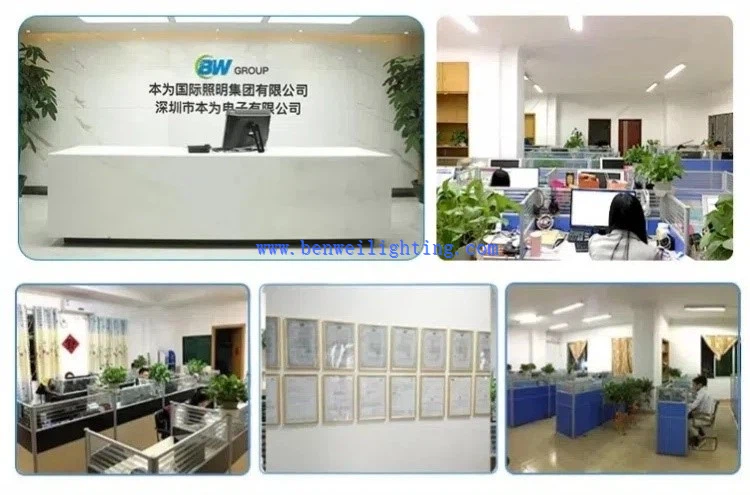
We are happy to have total control over the manufacturing process and the calibre of our products since we have our own facilities. Since we are producers rather than just brokers, we are dedicated to providing our customers with the best pricing. Since we are certain that the price and quality of our products are clear, we invite customers to see our samples first. Our commitment to quality and customer satisfaction drives us to continuously provide top-notch goods.
Our address
3rd Floor, 5th Building, Hebei Industrial Park, Hualian Community, Longhua District, Shenzhen, China





